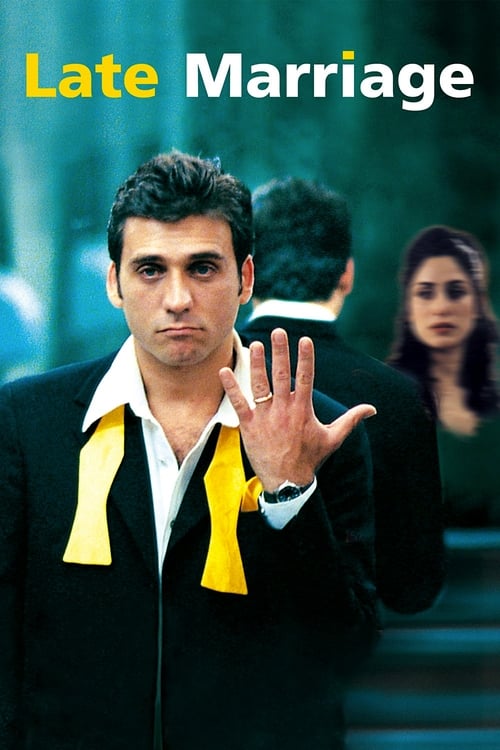
Late Marriage
2001
No user ratings available yet
Diversity score: 6.8 out of 10
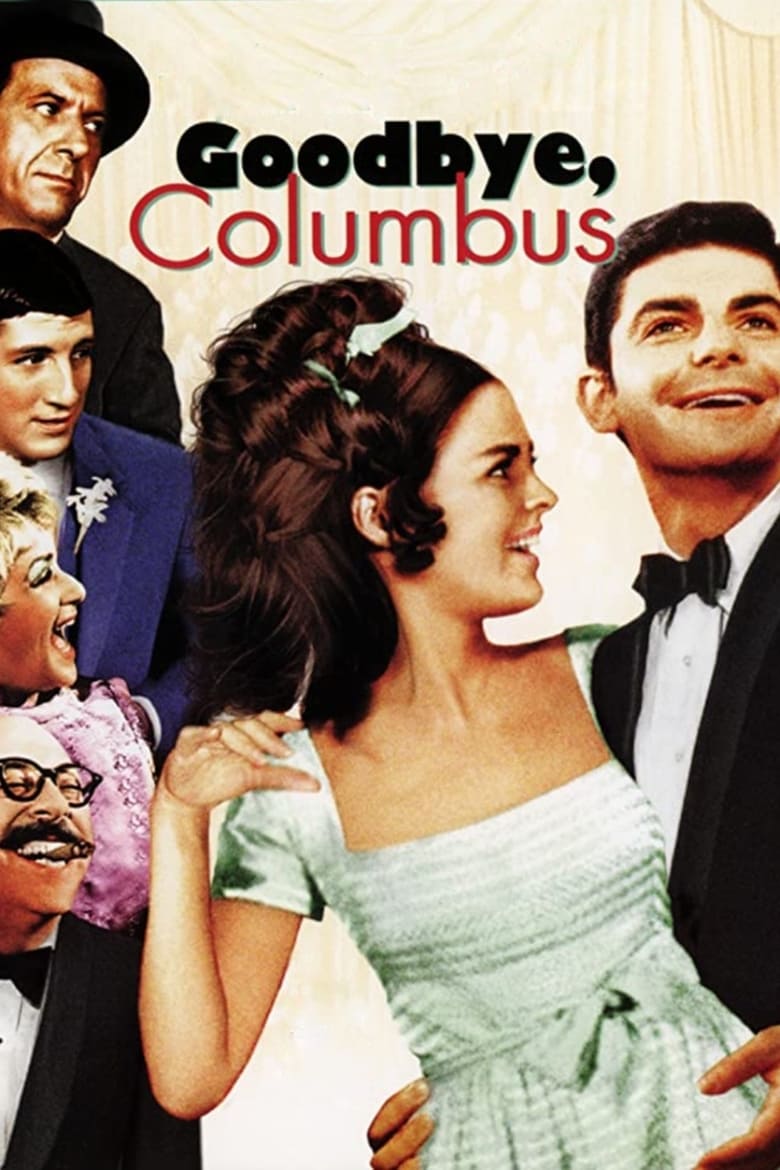
1969
PGDirector
Larry Peerce
Runtime
102 minutes
Average Rating
No ratings yetSynopsis
A Jewish man and a Jewish woman meet, and while attracted to each other, find that their worlds are very different. She is the archetypal Jewish American Princess — very emotionally involved with her parents' world and the world they have created for her, while he is much less dependent on his family. They begin an affair which brings more differences to the surface.
Overall Score
Fair
Category Breakdown
LGBTQ+ Representation
The film lacks LGBTQ+ characters or non-heteronormative identities. The central conflict remains strictly rooted in a traditional heterosexual romantic affair.
Gender Representation
The narrative centers on the psychological agency of the female lead, Pat Lombard. While the male lead shows emotional vulnerability, power dynamics are heavily influenced by the female lead's family status.
Racial & Ethnic Diversity
The film offers a nuanced look at the Jewish-American experience. It avoids a monolithic view by contrasting affluent, assimilated classes with working-class realities.
Religious & Cultural Diversity
The story critiques classism and how wealth dictates romantic possibility. It portrays affluent family units as restrictive forces that can stifle individual agency and personal freedom.
Disability Representation
There are no visible or invisible disabilities portrayed within the primary cast or central character arcs.
Strengths
Areas for Improvement
AI Analysis
Goodbye, Columbus is a sophisticated study of class-based social stratification. It succeeds by deconstructing ethnic and class hierarchies rather than presenting a unified cultural front. The film uses the friction between socioeconomic tiers to drive its narrative. However, the film lacks modern intersectional breadth. It provides no representation for LGBTQ+ identities or individuals with disabilities, which limits its overall diversity profile. Ultimately, the film's strength lies in its exploration of intra-ethnic struggle. It examines how identity is shaped by the intersection of heritage and capital.
2001
1970
1992
2005
1966
2005
1963
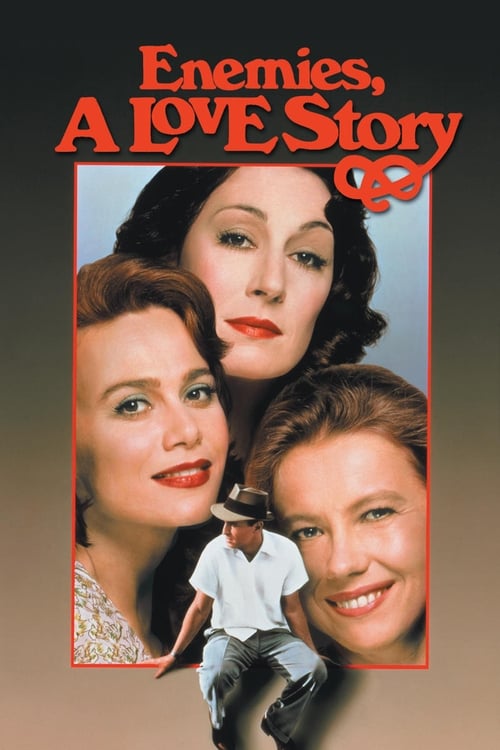
1989
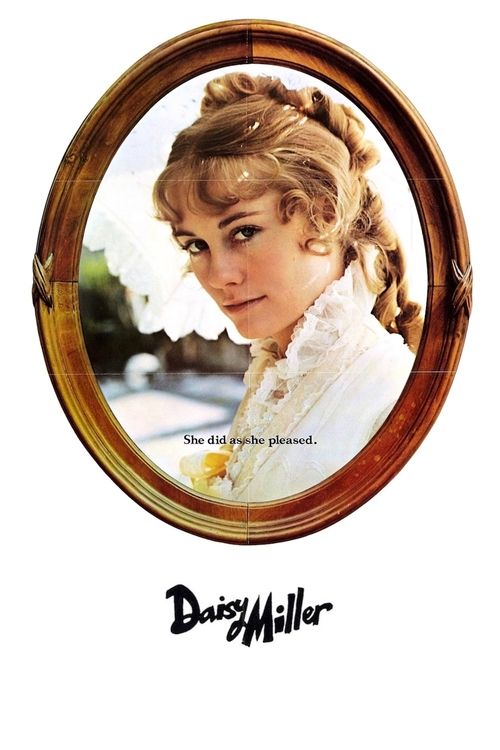
1974
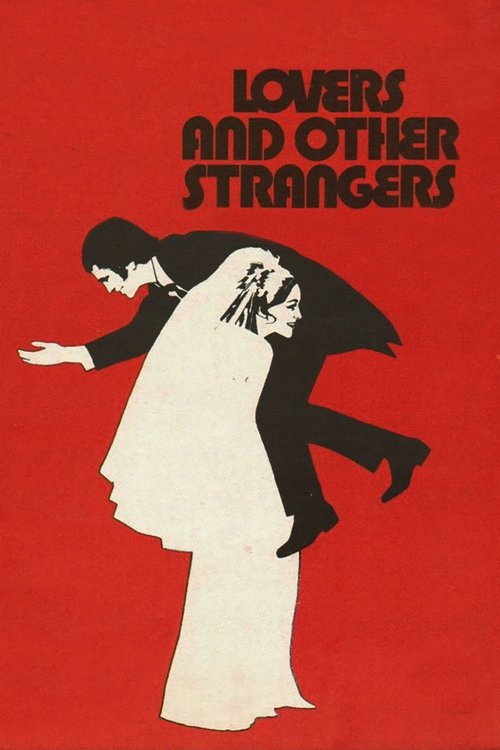
1970

1979
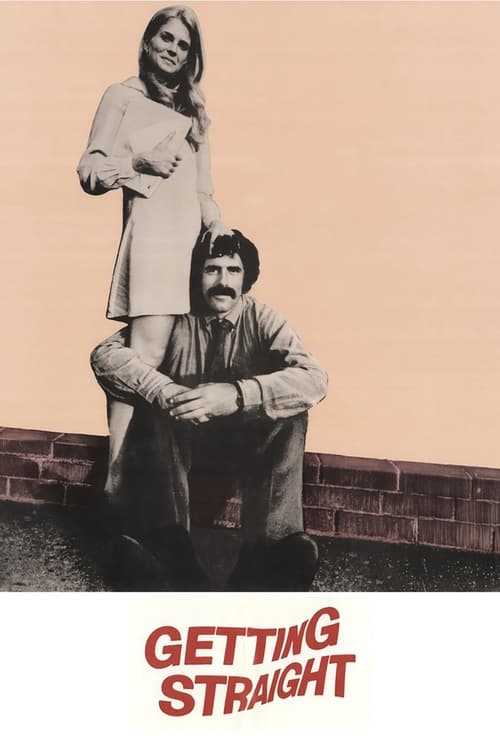
1970
No reviews yet. Be the first to share your thoughts on this movie!
Use the rating form above to leave a star rating and optional review.