
The Ride
1994
No user ratings available yet
Representation score: 4.4 out of 10
Representation Score
Good
1965
Not RatedDirector
Miloš Forman
Runtime
81 minutes
Average Rating
No ratings yetNew Showbiz Analysis
Miloš Forman’s work is a landmark of the Czechoslovak New Wave, using a naturalistic style to challenge romantic idealism. The film highlights the ability to act of its female lead and offers a non-judgmental view of human behavior. This approach contrasts with the rigid moral structures prevalent in mainstream cinema of the time. However, the film is limited by its historical and localized context. It lacks representation of racial, ethnic, and LGBTQ+ diversity, reflecting the homogeneous provincial setting of 1960s Eastern Europe. While the film avoids exoticism, it presents a narrow view of a specific social environment.
Category Breakdown
The film focuses on a strictly heterosexual and cisgender perspective, with no representation of LGBTQ+ identities or narratives.
The film centers on a female protagonist who demonstrates independence and autonomy. She pursues her own path in Prague, avoiding submissive stereotypes.
The film portrays a predominantly homogeneous Czechoslovak population, with a focus on the realistic depiction of a specific working-class community.
The film critiques small-town social conformity and institutional expectations using a non-judgmental lens to explore human behavior.
The film does not include any significant representation of physical or neurodivergent disabilities, depicting characters through a lens of typical social functionality.
Present on Screen
Limited or Absent
Official Synopsis
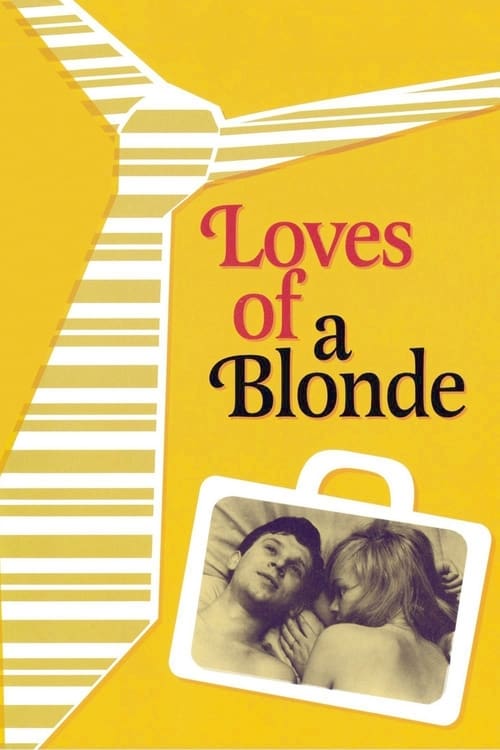
Andula, an innocent Czech girl from a factory town, is desperately in search of love. She believes she's found it when she beds Milda, a charming young musician visiting from Prague. Milda, however, is only looking for a casual encounter, and leaves town assuming he'll never see Andula again. But when Andula doesn't hear from him, she packs up and heads to Prague, to the surprise of Milda and his parents.
1994
1934

1982
1968
1967

1971
1981
1971
No reviews yet. Be the first to share your thoughts on this movie!
Use the rating form above to leave a star rating and optional review.