
La Pirate
1984
No user ratings available yet
Diversity score: 6.2 out of 10

1972
RDirector
Frank Perry
Runtime
99 minutes
Average Rating
No ratings yetSynopsis
Burned-out B-movie actress Maria, depressed and frustrated with her loveless marriage to an ambitious film director, Carter Lang, who would rather work on his career than on his relationship with her, numbs herself with drugs and sex with strangers. Only her friendship with a sensitive gay movie producer, B.Z., offers a semblance of solace. But even that relationship proves to be fleeting amidst the empty decadence of Hollywood.
Overall Score
Fair
Category Breakdown
LGBTQ+ Representation
B.Z., a sensitive gay producer, serves as the protagonist's emotional anchor. His presence offers a vital counter-narrative to the transactional nature of Hollywood. However, his agency remains somewhat limited by the era's cinematic conventions.
Gender Representation
Maria Wyeth disrupts traditional feminine archetypes through her profound alienation and emotional autonomy. The film subverts domestic hierarchies by focusing on the psychological toll of patriarchal structures and her refusal to comply with marriage expectations.
Racial & Ethnic Diversity
The film reflects the demographic homogeneity of its era and setting. The cast is predominantly white, with a notable absence of characters of color in roles that drive the narrative or provide intersectional depth.
Religious & Cultural Diversity
The film critiques the 'California Dream' by presenting capitalist success and social structures as spiritually vacant. It rejects singular moralities, instead framing traditional institutions like marriage and careerism as decaying and empty.
Disability Representation
Mental health struggles and depression are explored as existential conditions. These elements serve as thematic devices for postmodern alienation rather than providing a nuanced portrayal of neurodivergence as a lived identity.
Strengths
Areas for Improvement
AI Analysis
Play It as It Lays is a sophisticated deconstruction of social facades and traditional hierarchies. It excels in subverting gender roles and critiquing the hollow pursuit of the American Dream, offering a complex look at existential drift. However, the film is limited by the demographic homogeneity of its 1960s Los Angeles setting. The lack of racial diversity and the treatment of mental health as a mere thematic device rather than a lived identity restrict its inclusive depth. Ultimately, the film is a progressive work of postmodern cinema that prioritizes psychological fragmentation over conventional plot, even if it remains confined to a racially uniform social vacuum.
1984

2021
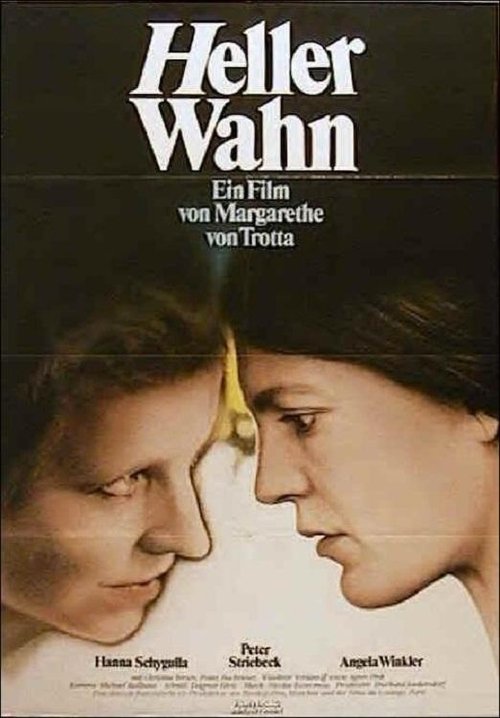
1983
1969
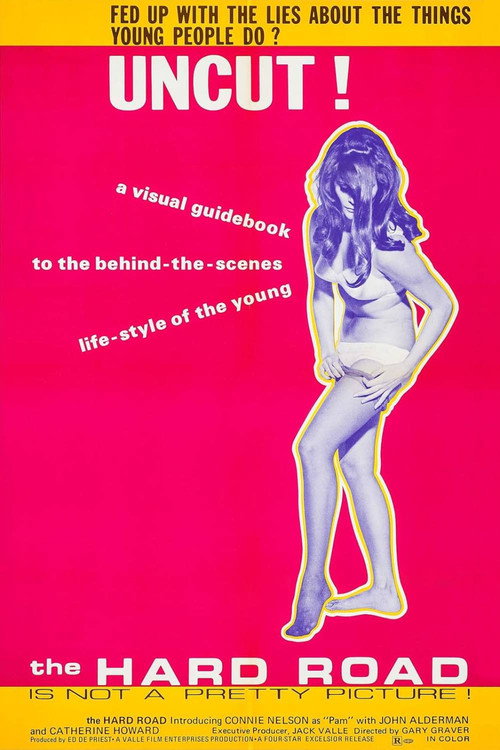
1973

1975

1973
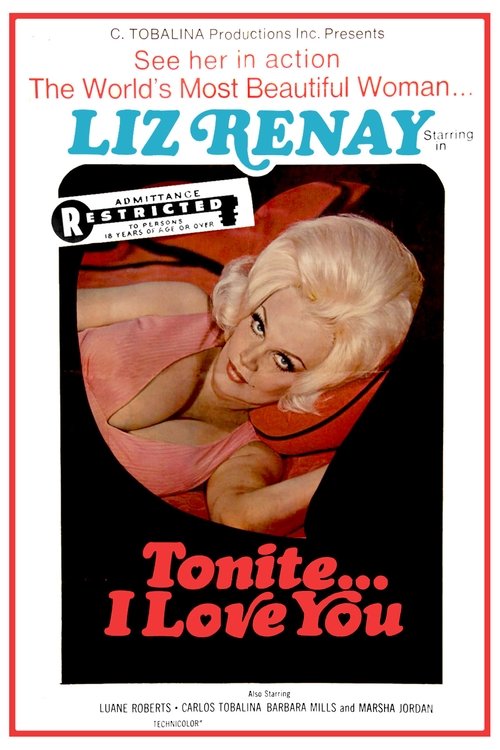
1972

1961
1961

1989

1970
No reviews yet. Be the first to share your thoughts on this movie!
Use the rating form above to leave a star rating and optional review.