
Paris Awakens
1991
No user ratings available yet
Representation score: 5.0 out of 10
Representation Score
Fair
1989
Director
Olivier Assayas
Runtime
84 minutes
Average Rating
No ratings yetNew Showbiz Analysis
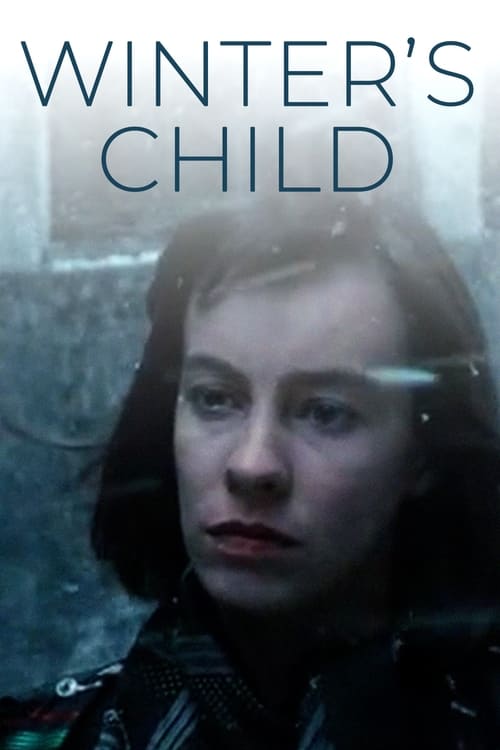
Winter's Child succeeds in subverting traditional gender roles by presenting women as active drivers of psychological conflict. The film avoids the cliché of the stable patriarchal leader, instead focusing on the messy, disruptive nature of human desire. However, the film remains limited by a lack of broad diversity. The focus on a specific, localized social milieu results in a homogeneous demographic that lacks racial or ethnic variety. Ultimately, the work trades social cohesion for psychological realism, offering a complex look at identity that favors individual instability over traditional moral frameworks.
Category Breakdown
The film examines unpredictable, chaotic romantic relationships. Although it doesn't explicitly identify non-traditional genders, the focus on shifting interpersonal dynamics suggests a move away from stable heterosexual relationships.
The narrative disrupts traditional gender hierarchies by emphasizing women's ability to drive the story. Female characters like Sabine drive the psychological tension, while the male character is portrayed as weak and indecisive rather than strong and controlling.
The drama centers on specific professional circles within architecture and theater. There is no indication of a diverse, multi-ethnic cast or intentional racial diversity within this social environment.
The film prioritizes individual emotional experiences over societal norms. By depicting relationships as emotional games, it challenges the traditional family structure and conventional morality.
The narrative does not include any characters dealing with physical, neurodivergent, or mental health disabilities.
Present on Screen
Limited or Absent
Official Synopsis
Feckless aspiring architect Stéphane leaves his pregnant girlfriend for theater designer Sabine; Sabine in turn vainly attempts to overcome her violent obsession with an actor in her theater company. A game of emotional chutes and ladders ensues.
1991

1980

1994
1974

1979

1999

1984

1995
No reviews yet. Be the first to share your thoughts on this movie!
Use the rating form above to leave a star rating and optional review.