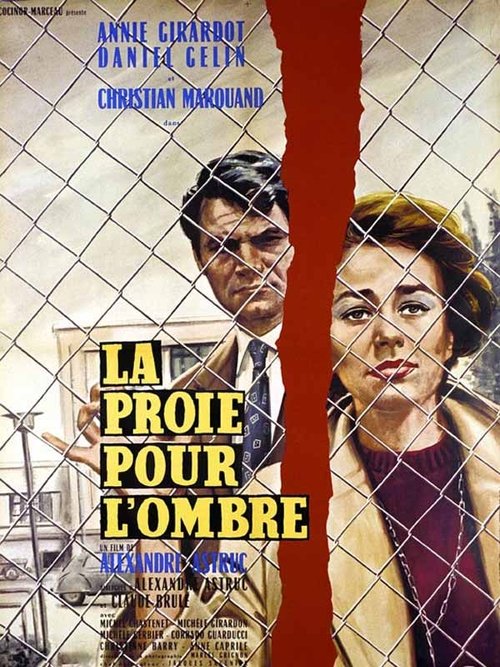
The Mistress
1962
No user ratings available yet
Representation score: 5.3 out of 10
Representation Score
Fair
1961
Director
Alexandre Astruc
Runtime
95 minutes
Average Rating
No ratings yetNew Showbiz Analysis
Shadows of Adultery (1961) serves as a psychological study of female autonomy. By focusing on Anna's rejection of domestic hierarchies, the film challenges traditional submissive female roles in mid-century cinema. The narrative's strength lies in its critique of male-dominated romantic power dynamics. However, the film lacks visible representation of LGBTQ+, racial, or ethnic identities, which limits its broader impact. Ultimately, the film's value is found in its questioning of traditional family units and its focus on individual autonomy over social conformity.
Category Breakdown
The story focuses on heterosexual relationships and infidelity, with no explicit queer narratives or non-cisgender identities.
The film centers on Anna's struggle for autonomy against patriarchal structures. It contrasts her pursuit of independence with her lover's view of her as a plaything.
There is no information about the racial composition of the cast. The score assumes a homogeneous cast typical of 1961 European dramas.
The story explores themes of personal morality and the breakdown of traditional institutions. It prioritizes individual fulfillment and existential exploration over established social or religious norms.
There is no mention of characters with physical or neurodivergent disabilities in the synopsis.
Present on Screen
Limited or Absent
Official Synopsis
Anna, twenty-seven, married to building contractor Eric, refuses to live in his wake. Craving independence, she can exist through the art gallery she runs, but isn’t this occupation a mere wholesome distraction? When she meets Bruno and becomes his lover she thinks she will find fulfillment only to realize that she is just another plaything in a man’s hands.
1962

1964
1972
1965

2021
1952
1971
1973
No reviews yet. Be the first to share your thoughts on this movie!
Use the rating form above to leave a star rating and optional review.