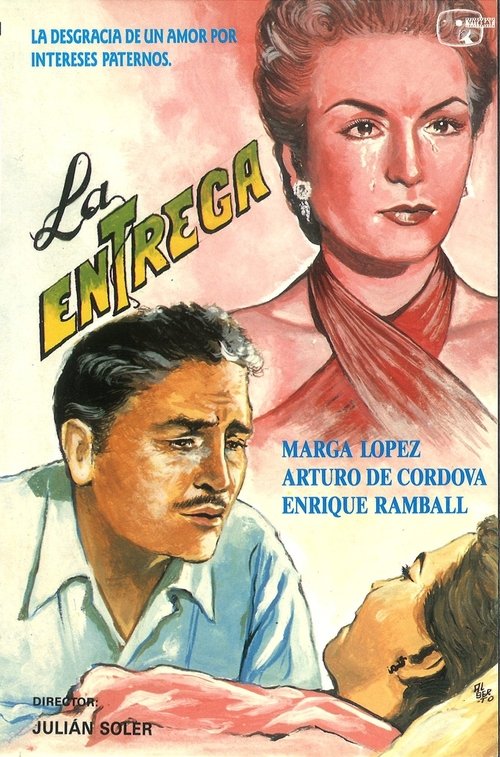
La entrega
1954
No user ratings available yet
Representation score: 2.7 out of 10
Representation Score
Fair
1972
RDirector
Carlos Tobalina
Runtime
85 minutes
Average Rating
No ratings yetNew Showbiz Analysis
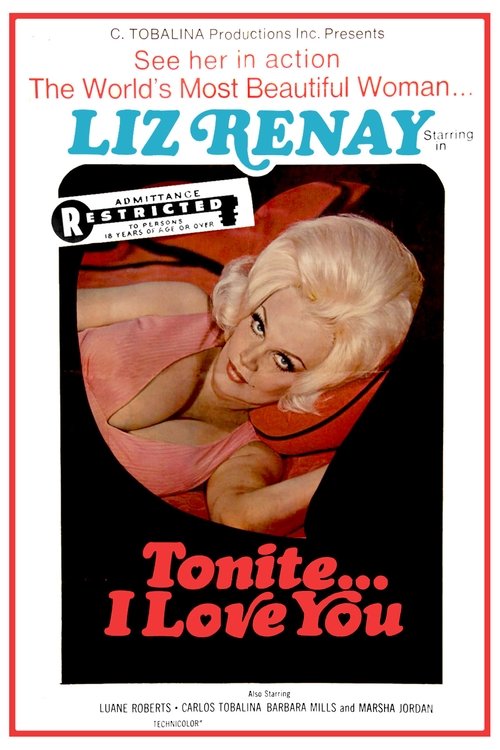
Tonite... I Love You functions as a critique of traditional Western institutions and gendered expectations of the early 1970s. By centering a lifestyle of indulgence, it deconstructs the archetype of the decisive, industrialist patriarch. The film succeeds in challenging social norms through its focus on moral relativism and non-traditional domesticity. However, the narrative remains limited by its narrow socio-economic focus and lack of visible racial or LGBTQ+ intersectionality. Ultimately, the work offers a provocative look at the era's shifting social mores, even if it remains confined to a specific, homogeneous social stratum.
Category Breakdown
The film explores unconventional domestic arrangements and inventive love within high society. While specific LGBTQ identities are not explicitly stated, the narrative moves away from strict heterosexual norms.
The story challenges traditional masculine leadership by depicting a passive, hedonistic patriarch. Instead, the domestic sphere centers on a young wife and her social circle.
The narrative appears to inhabit a homogeneous depiction of the American elite. There is no evidence of a diverse or non-Anglo-Saxon majority cast.
The film challenges the Protestant work ethic and traditional nuclear family structures. It prioritizes individual pleasure and subjective morality over social or professional duties.
There is no mention of characters navigating physical, neurodivergent, or mental health conditions.
Present on Screen
Limited or Absent
Official Synopsis
Bill Westland is a wealthy industrialist who now only intends to devote himself to his pleasures. He barely manages to make a few decisions about his myriad businesses or sign a few checks every week. He spends most of his time in a magnificent Hollywood villa in the company of his young wife and her many friends living a life of love that is as inventive and renewed as possible.
1954
1974

1972
1976
1965

1958
1969
2004
No reviews yet. Be the first to share your thoughts on this movie!
Use the rating form above to leave a star rating and optional review.