
Flesh
1968
No user ratings available yet
Representation score: 6.0 out of 10

Representation Score
Excellent
1970
NRDirector
Paul Morrissey
Runtime
110 minutes
Average Rating
No ratings yetNew Showbiz Analysis
Paul Morrissey’s *Trash* is a postmodern exploration of aimlessness that succeeds by dismantling traditional social hierarchies. It excels in its seamless integration of non-straight-centered social behaviors and its sophisticated critique of Western institutional norms, presenting a world where conventional morality is irrelevant. However, the film's focus is highly localized to a specific counter-cultural class. This narrow lens results in limited racial diversity and treats the realities of addiction as plot devices rather than nuanced explorations of disability. Ultimately, the film is a radical deconstruction of the social contract. It trades mainstream narrative stability for a raw, episodic look at characters living entirely outside the bounds of traditional religious and economic structures.
Category Breakdown
The film presents a setting where same-sex relationships are normal. Queer identity is not portrayed as a conflict but is integrated naturally into the urban bohemian subculture.
Traditional gender hierarchies are challenged by removing the male lead's patriarchal control through drug-induced impotence. Female characters retain significant autonomy, focusing on personal desires and sexual freedom rather than submissive roles.
The narrative focuses on a specific socioeconomic subculture of urban drifters. While reflecting avant-garde social circles, it does not explicitly center on racial or ethnic identity as a plot driver.
The film critiques Western institutional stability by focusing on characters who reject capitalist productivity. It embraces moral relativism, presenting anti-social behaviors without a push towards societal reintegration.
Addiction and its physical effects are shown as symptoms of a directionless lifestyle. However, these elements are not explored deeply, serving more as plot devices than nuanced explorations of disability.
Present on Screen
Limited or Absent
Official Synopsis
The movie follows Joe, a heroin addict, throughout his quest to score more drugs. The episodic plot occurs over a single day and centers on Joe's problematic relationship with his on-off, sexually frustrated girlfriend. During the course of the day, Joe overdoses in front of an upper-class couple, attempts to fool Welfare into approving his methadone treatment by having Holly fake a pregnancy, and frustrates the women in his life with his drug-induced impotence.
1968

1982

1975
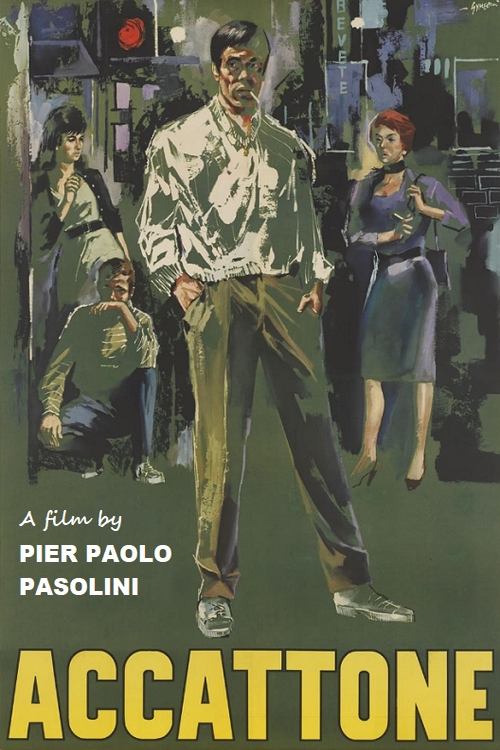
1961

1986
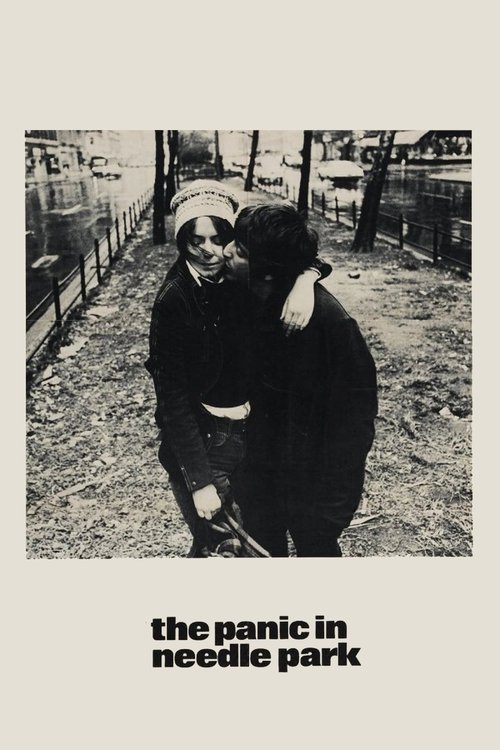
1971
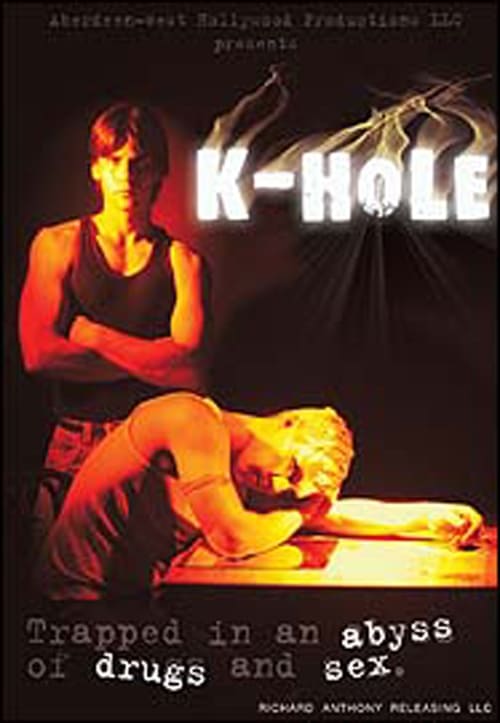
2003
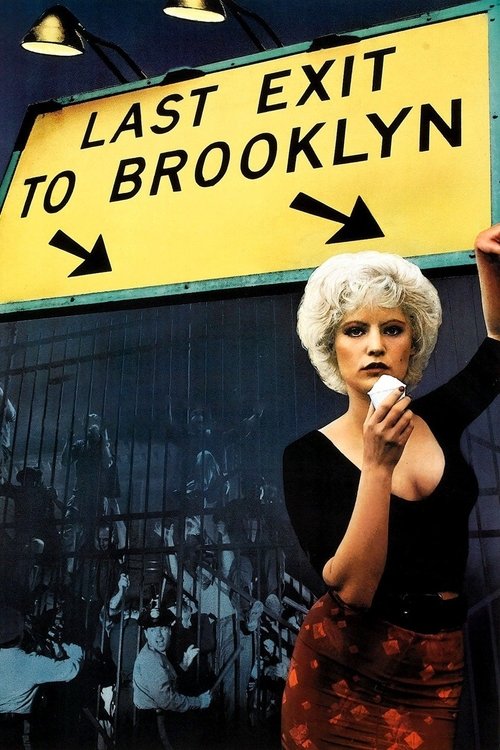
1989
No reviews yet. Be the first to share your thoughts on this movie!
Use the rating form above to leave a star rating and optional review.