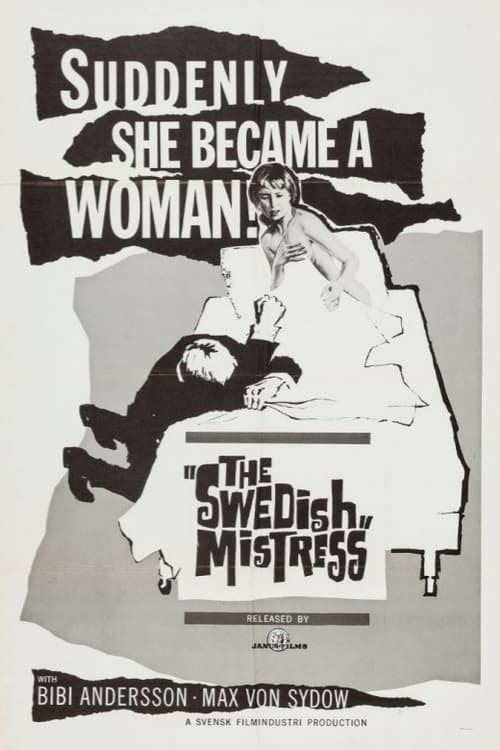
The Mistress
1962
No user ratings available yet
Representation score: 5.3 out of 10
Representation Score
Fair
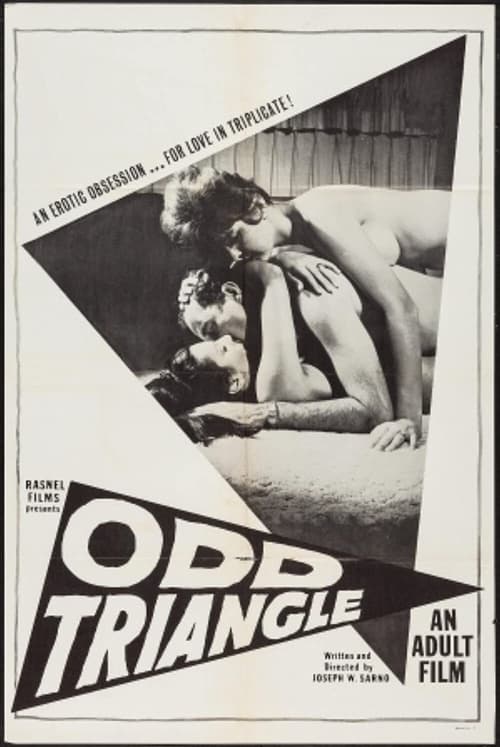
1969
RDirector
Joseph W. Sarno
Runtime
88 minutes
Average Rating
No ratings yetNew Showbiz Analysis
Joseph W. Sarno’s work challenges the mainstream morality of the era by examining unconventional interpersonal dynamics. By depicting non-traditional relationships and subverting typical gender roles, the film disrupts social norms. However, the film remains limited by a lack of racial and ethnic diversity. Its focus on a homogeneous cast restricts a broader representation of diverse identities. Ultimately, the film explores themes of identity and power, using character actions to examine relationships outside the conventional social structures of the late 1960s.
Category Breakdown
The film challenges traditional expectations by focusing on a character, Karin, who transitions into same-sex attraction. Her relationship with another woman is a key part of the main storyline, not just a side plot.
The story overturns typical gender roles through a powerful, controlling mother figure. This character defies the stereotype of a submissive matriarch, instead wielding significant influence and complicating traditional gender roles.
The film seems to concentrate on a localized, homogeneous interpersonal drama. There is no indication of a diverse or non-Anglo-Saxon majority cast within the narrative.
The story questions traditional Western domesticity by highlighting the breakdown of the nuclear family. It emphasizes individual desires over established family structures and moral guidelines.
There is no evidence to suggest that neurodivergence or physical disabilities play a central role in the film's narrative structure.
Present on Screen
Limited or Absent
Official Synopsis
A prolonged stay at his attractive and overbearing mother's home prompts Harald and his Karin to question their relationship, ultimately driving Karin into the arms of another woman.
1962
1973
1968

1961

1965

1964
1974
1978
No reviews yet. Be the first to share your thoughts on this movie!
Use the rating form above to leave a star rating and optional review.