
The Cricket
1980
No user ratings available yet
Diversity score: 5.6 out of 10
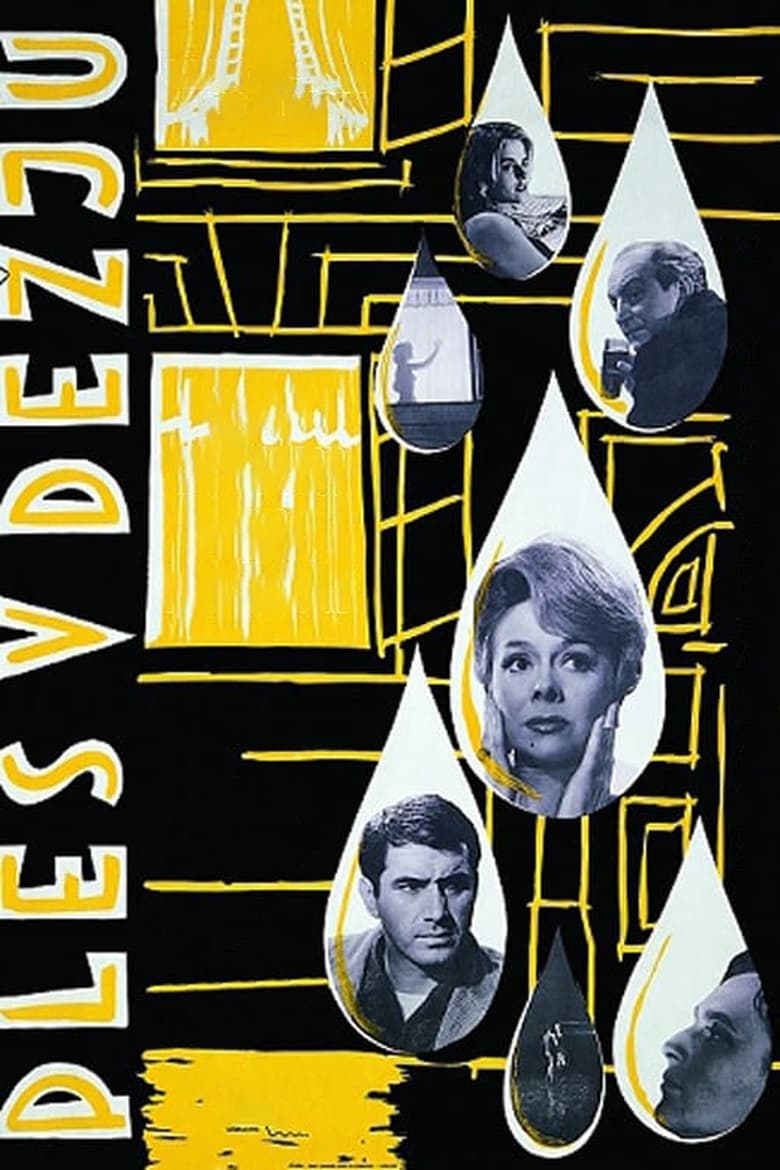
1961
Director
Boštjan Hladnik
Runtime
100 minutes
Average Rating
No ratings yetSynopsis
Peter is the dark brooding type. Leading a vacuous, shapeless life, he longs for the ideal woman, while at the same time, half heartedly continuing with his habitual girlfriend, Marusa , who is considerably older, a fact that Peter is quick to point out. As an aging actress, struggling for parts in her local theatre, she oozes insecurity and breathes uncertainty. Together, they spend their time in the local restaurant, smoking, drinking and trading verbal blows. "I bet you'll just end up a drunk," she tells Peter each time. Peter just grins and tells her how old she looks. Compounded by a thankless director who soon shows her the door, Marusa finds her identity being squeezed harder and harder against the wall. To escape, Peter and Marusa dream...
Overall Score
Fair
Category Breakdown
LGBTQ+ Representation
The film focuses on a dysfunctional heterosexual relationship. There is no explicit depiction of non-heteronormative identities or same-sex intimacy within the narrative.
Gender Representation
Marusa's professional and existential struggles disrupt traditional femininity. The film avoids nurturing tropes, instead presenting a complex woman facing insecurity and a lack of masculine protection.
Racial & Ethnic Diversity
The cast reflects the homogeneous Slovenian demographic of 1961. While no harmful stereotyping is evident, the film lacks racial diversity or non-majority ensembles.
Religious & Cultural Diversity
The story critiques traditional social structures through characters exhibiting existential malaise. It prioritizes psychological truth over institutional morality, deconstructing the stability of the nuclear family.
Disability Representation
The narrative contains no evidence of characters with visible or invisible disabilities.
Strengths
Areas for Improvement
AI Analysis
Dancing in the Rain is a psychological drama that prioritizes existential depth over mid-century social norms. It succeeds in subverting gendered expectations by centering a woman's professional crisis and emotional instability. However, the film remains limited by its historical context, offering little in the way of racial or LGBTQ+ representation. It functions primarily as a study of individual disillusionment within a homogeneous setting. Ultimately, the film's strength lies in its rejection of moralistic storytelling, opting instead to explore the friction between personal identity and oppressive social institutions.
1980

1964

1961
1968
1971
1961
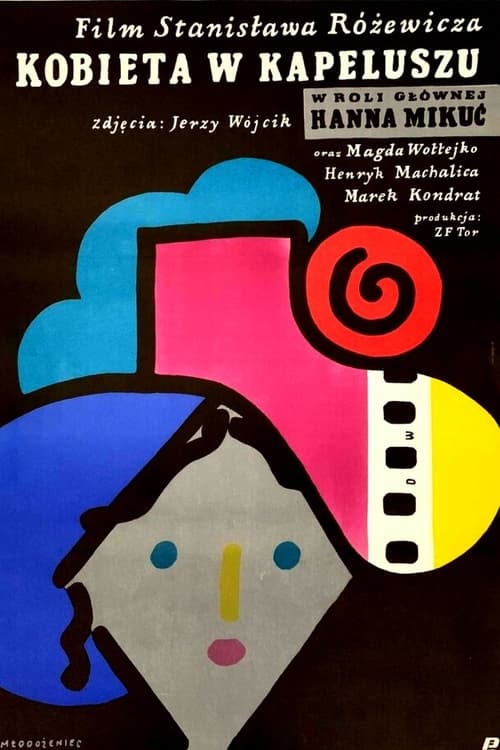
1985
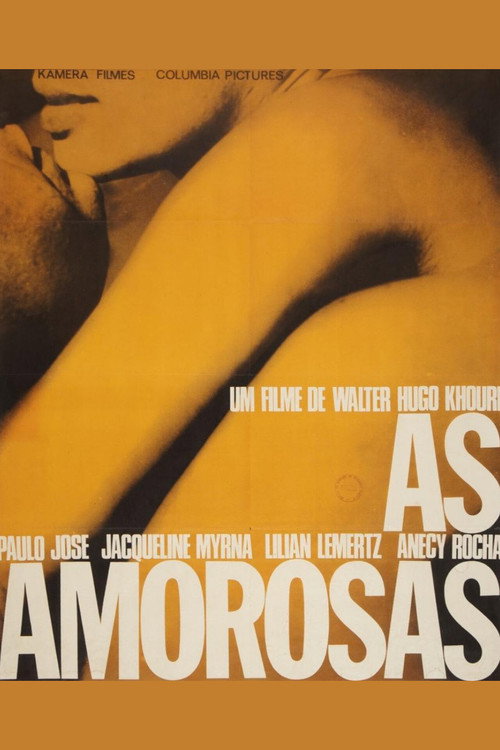
1968
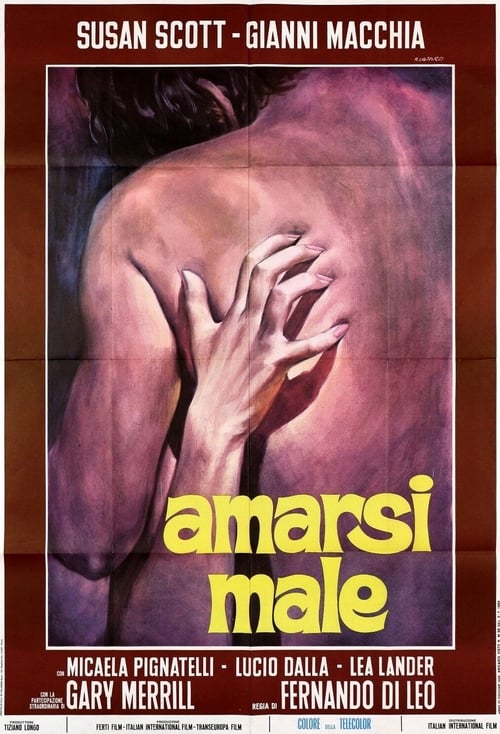
1969
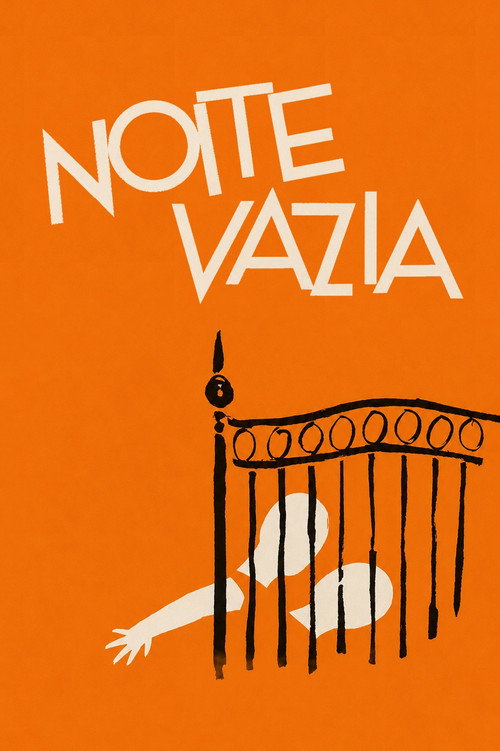
1964
1963
1965
No reviews yet. Be the first to share your thoughts on this movie!
Use the rating form above to leave a star rating and optional review.