The Valley of Death
1968
No user ratings available yet
Representation score: 1.1 out of 10
Representation Score
Minimal
1962
Director
Harald Reinl
Runtime
111 minutes
Average Rating
No ratings yetNew Showbiz Analysis
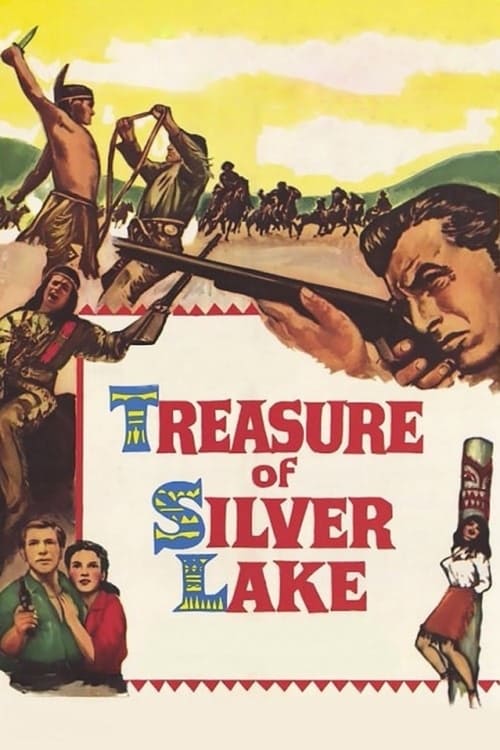
Treasure of Silver Lake is a traditional adventure narrative that adheres to established 1960s Western conventions. It centers on individual heroism and the pursuit of justice for a murdered parent. The film reinforces traditional hierarchies of gender and morality, offering a departure from some Hollywood Westerns of the era through the inclusion of central Indigenous characters. However, it remains rooted in conservative genre clichés and upholds established social structures and moral dichotomies.
Category Breakdown
The film centers on traditional family bonds and the pursuit of justice, with no representation of LGBTQ+ identities or critiques of straight-centered structures.
Male protagonists like Old Shatterhand and Winnetou drive the narrative, while Mrs. Butler's role as a functional catalyst for the male characters' journey limits her ability to act.
Indigenous characters play central roles, but their portrayal is romanticized and lacks complexity or characters who reflect more than one aspect of diversity.
The story emphasizes traditional Western values, such as the sanctity of the family and individual heroism, following a clear moral dichotomy.
There is no visible or invisible disability portrayed in the narrative. No specific data is available to assess this category.
Present on Screen
Limited or Absent
Official Synopsis
Fred Engel's father is murdered by Colonel Brinkley in order to acquire a treasure map, however the Colonel only acquires half of it, the other half as held by Mrs. Butler. Discovering the scene of the crime, Old Shatterhand and Winnetou help Fred bring his father's murderer to justice and locate the treasure of Silver Lake.
1968
1963
1964
1969

1950
1975
1950

1974
No reviews yet. Be the first to share your thoughts on this movie!
Use the rating form above to leave a star rating and optional review.