
Rusty Knife
1958
No user ratings available yet
Diversity score: 3.8 out of 10
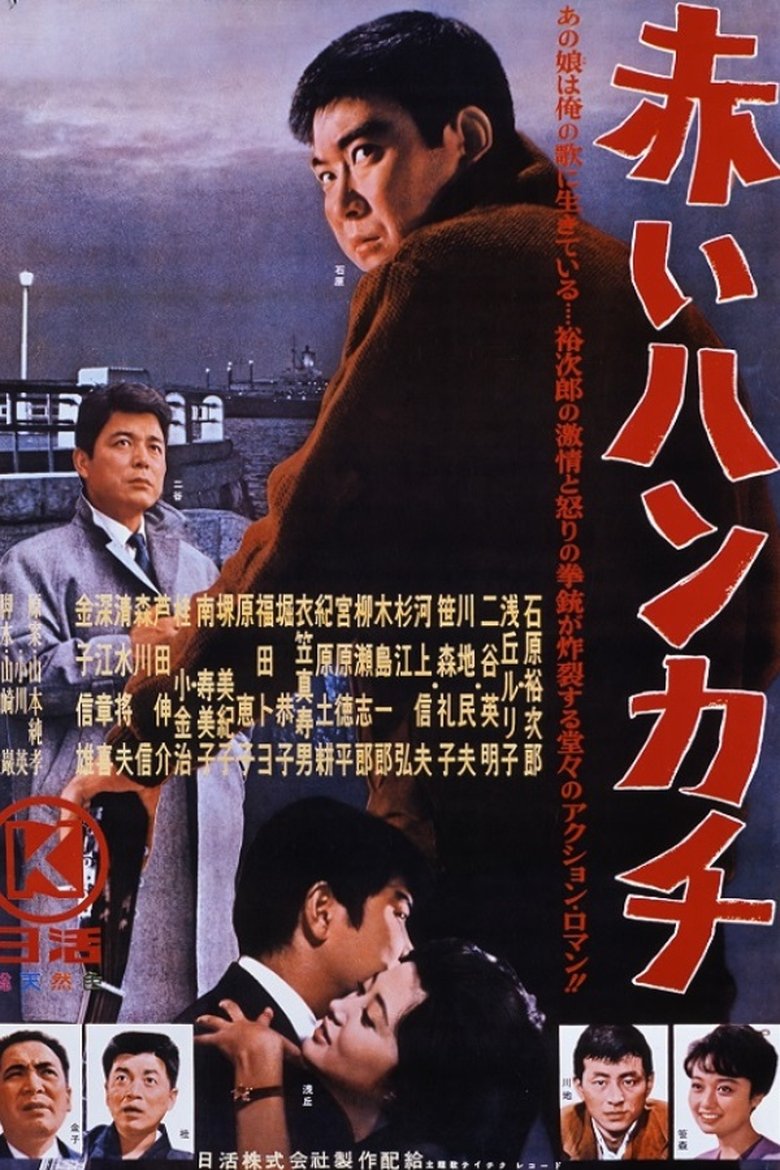
1964
Director
Toshio Masuda
Runtime
98 minutes
Average Rating
No ratings yetSynopsis
A hot-shot detective in Yokohama kills a witness during a drug investigation. He flees to the countryside and evades his past for several years, only to return to find the woman he loved married to his former partner. He searches for answers to his troubled past, knowing that his inevitable doomed fate is more or less sealed.
Overall Score
Limited
Category Breakdown
LGBTQ+ Representation
The film focuses on a heteronormative romantic tragedy. There is no depiction of non-cisnormative identities or same-sex intimacy.
Gender Representation
Female characters serve primarily as emotional anchors for the male lead. While the female lead carries emotional weight, she lacks the structural agency to drive the plot.
Racial & Ethnic Diversity
The cast is ethnically homogeneous, reflecting the historical context of 1960s Japanese studio cinema. It does not utilize intersectional racial blending.
Religious & Cultural Diversity
The narrative explores moral relativism by prioritizing a personal code of honor over state authority. It challenges the infallibility of legal institutions through a localized lens.
Disability Representation
There is no significant depiction of visible or invisible disabilities. Character struggles are framed through socioeconomic and psychological lenses instead.
Strengths
Areas for Improvement
AI Analysis
Red Handkerchief is a quintessential mid-century crime drama that prioritizes masculine codes of stoicism and honor. While it lacks modern intersectional markers like LGBTQ+ visibility or racial diversity, it offers a sophisticated exploration of situational ethics. The film's strength lies in its nuanced narrative architecture, which critiques the rigidity of traditional authority. By pitting individual integrity against systemic law, it moves beyond simple legal binaries to explore complex moral landscapes. However, the film remains limited by the era's cinematic conventions. Female characters lack agency, and the cast remains ethnically homogeneous, reflecting the specific cultural constraints of the 1960s Japanese studio system.
1958

1968
1951
1949

1960
1959
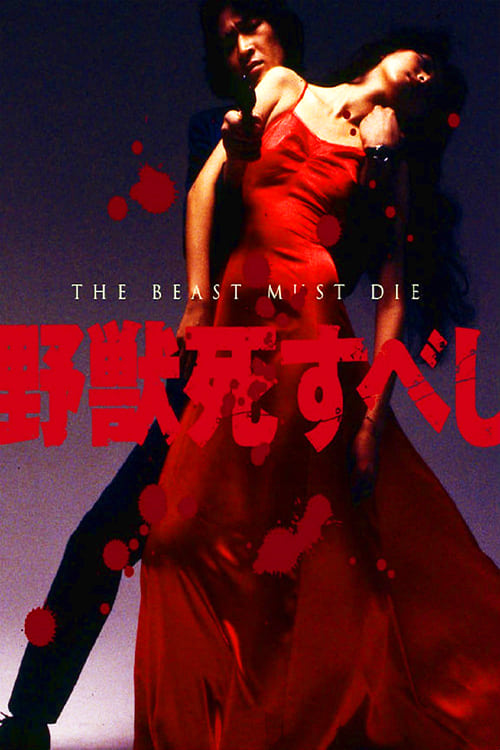
1980
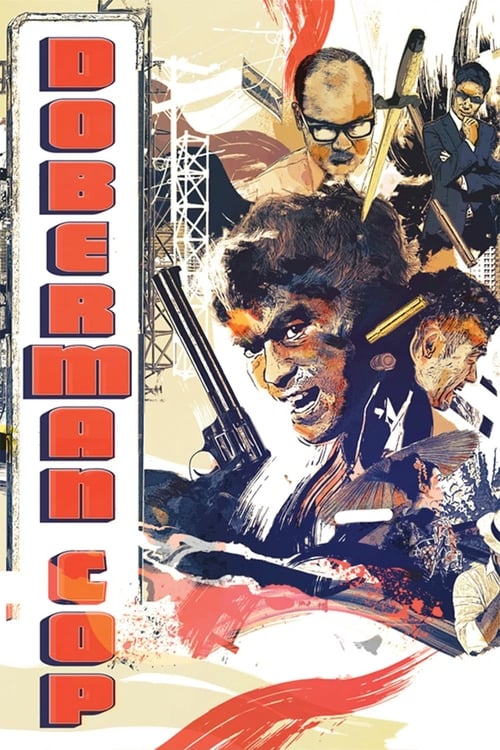
1977
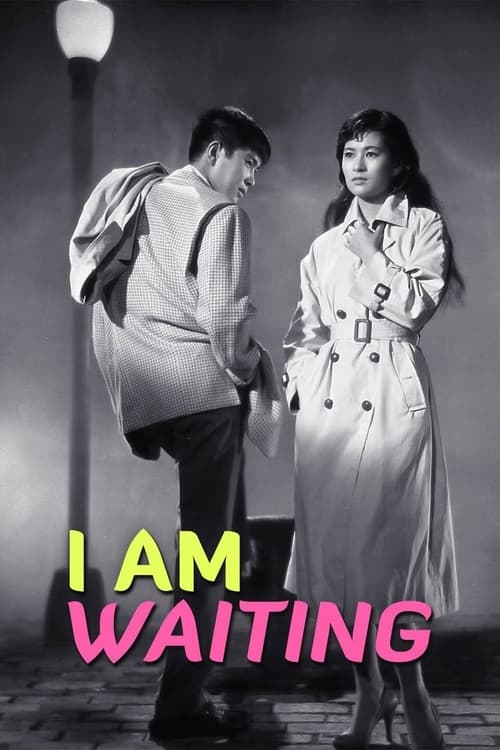
1957

1960

1998
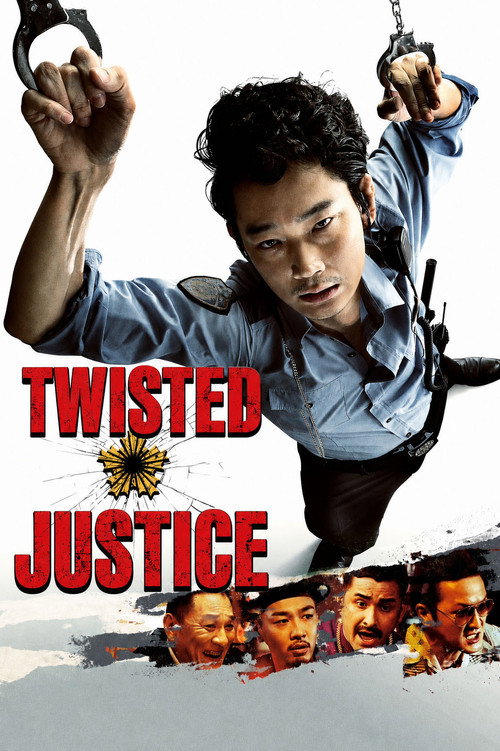
2016
No reviews yet. Be the first to share your thoughts on this movie!
Use the rating form above to leave a star rating and optional review.