
Vengeance
2009
No user ratings available yet
Representation score: 2.3 out of 10
Representation Score
Good
1998
Director
Kiyoshi Kurosawa
Runtime
85 minutes
Average Rating
No ratings yetNew Showbiz Analysis
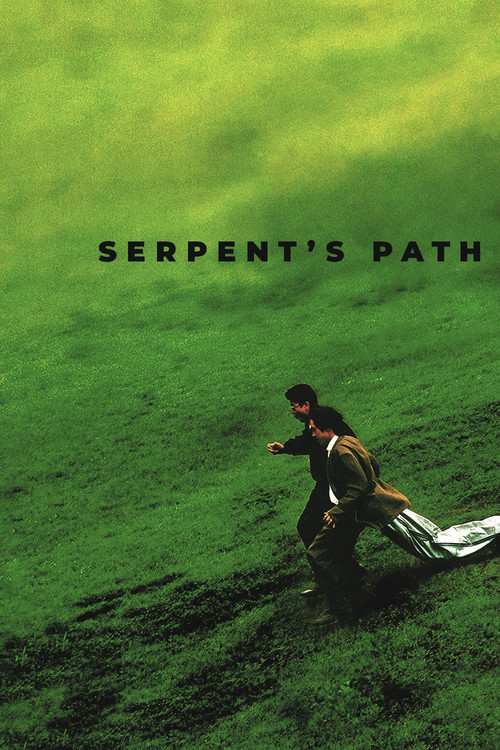
Serpent's Path is a postmodern Japanese noir that prioritizes psychological instability over traditional hero clichés. It excels in its thematic subversion of moral certainty and objective truth, using a fragmented narrative to explore existential dread. However, the film lacks demographic breadth. It adheres to a culturally homogeneous cast and a framework that assumes everyone is straight or cisgender, offering little representation for LGBTQ+ identities, diverse ethnicities, or characters with disabilities. Ultimately, the film's strength lies in its intellectual complexity rather than its social diversity. It challenges storytelling hierarchies through its refusal to provide a stable, authoritative truth.
Category Breakdown
The film operates within a traditional framework that assumes everyone is straight or cisgender. Relationships focus on conventional romantic or familial connections, without disrupting standard gender-identity clichés.
The protagonist follows a patriarchal impulse to find his daughter, but the film subverts masculine dominance through psychological volatility. Female characters like Akiko engage in complex power plays and manipulation.
Set in Tokyo, the film presents a culturally homogeneous cast reflecting the local demographic realities without utilizing color-blind casting or multi-layered blending.
Kurosawa uses unreliable narrators to challenge the notion of a singular, righteous truth. The narrative portrays the urban environment as a labyrinth of alienation rather than a structured community.
There is no significant evidence of characters with visible or invisible disabilities serving as central agents. The focus remains on psychological tension and existentialism.
Present on Screen
Limited or Absent
Official Synopsis
With the help of a mysterious acquaintance, a former low-level yakuza tracks down and kidnaps the man he believes kidnapped and murdered his daughter, but others are soon implicated in the death.
2009
1987

1981

1974
2010
1999

2008

2019
No reviews yet. Be the first to share your thoughts on this movie!
Use the rating form above to leave a star rating and optional review.