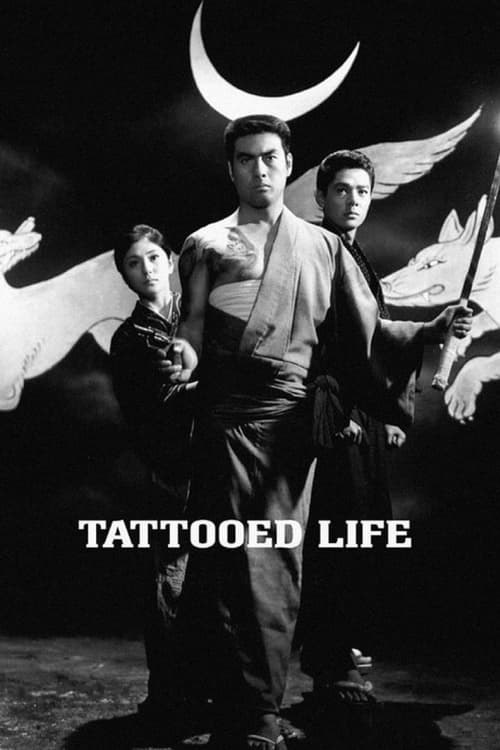
Tattooed Life
1965
No user ratings available yet
Representation score: 4.1 out of 10
Representation Score
Fair
1957
Director
Koreyoshi Kurahara
Runtime
91 minutes
Average Rating
No ratings yetNew Showbiz Analysis
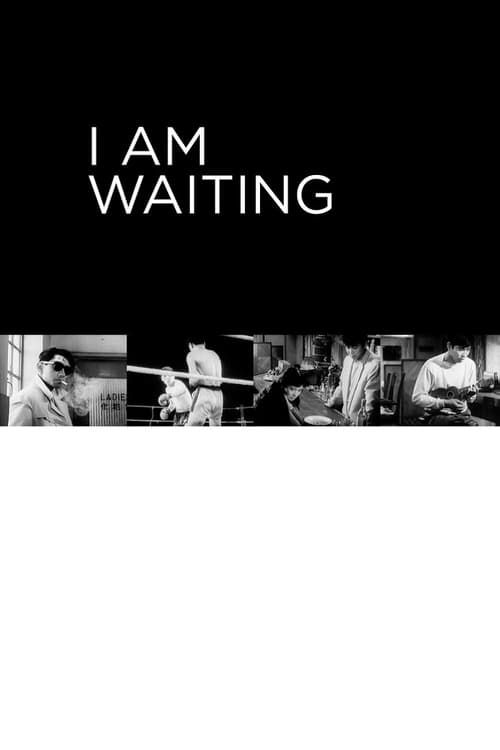
I Am Waiting explores post-war urban alienation, prioritizing atmospheric and psychological depth over demographic diversity. The film focuses on the individual's struggle against systemic corruption. It effectively uses the crime genre to challenge traditional social hierarchies and the pressures of rapid modernization. Capturing the existential loneliness prevalent in the Japanese New Wave cinema, the film provides a nuanced look at urban alienation. However, the film lacks contemporary markers of diversity. It does not include LGBTQ+ representation, racial diversity, or characters with disabilities, maintaining a focus on a specific, homogeneous social context.
Category Breakdown
The film does not include explicit LGBTQ+ characters or relationships that go beyond traditional heterosexual ones. The story centers around the male protagonist and his interactions with the female hostess.
The female lead plays a significant role in trying to escape an exploitative situation. However, her storyline remains closely connected to the male protagonist's journey within the criminal underworld.
Set in a homogeneous post-war Japanese city, the film does not feature a diverse cast. Instead, it focuses on the psychological struggles of its main characters.
The film critiques rapid modernization and corrupt power structures. By highlighting urban malaise and the existential restlessness of young people, it deconstructs traditional social cohesion.
The film does not include characters with visible or invisible disabilities. The narrative focuses more on socioeconomic and psychological issues rather than physical or neurodivergent themes.
Present on Screen
Limited or Absent
Official Synopsis
A former boxer gets involved with a club hostess trying to escape the clutches of her gangster employer.
1965
1949
1975

1964
1969

1955

1939
1974
No reviews yet. Be the first to share your thoughts on this movie!
Use the rating form above to leave a star rating and optional review.