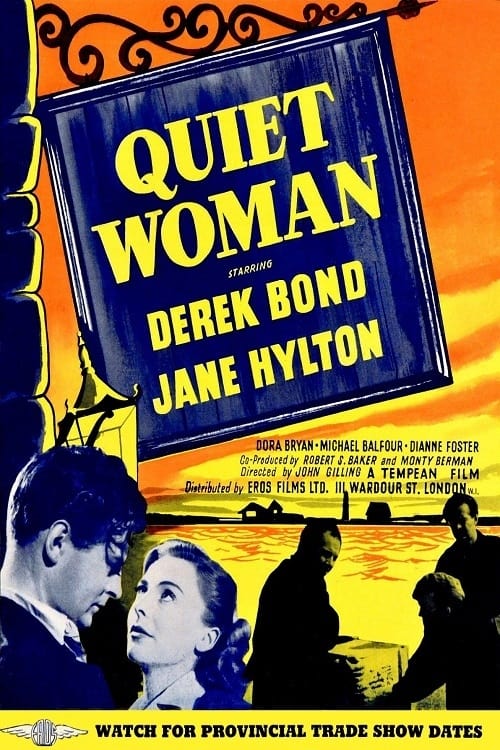
The Quiet Woman
1951
No user ratings available yet
Representation score: 2.1 out of 10
Representation Score
Limited
1951
PassedDirector
Anthony Pelissier
Runtime
86 minutes
Average Rating
No ratings yetNew Showbiz Analysis
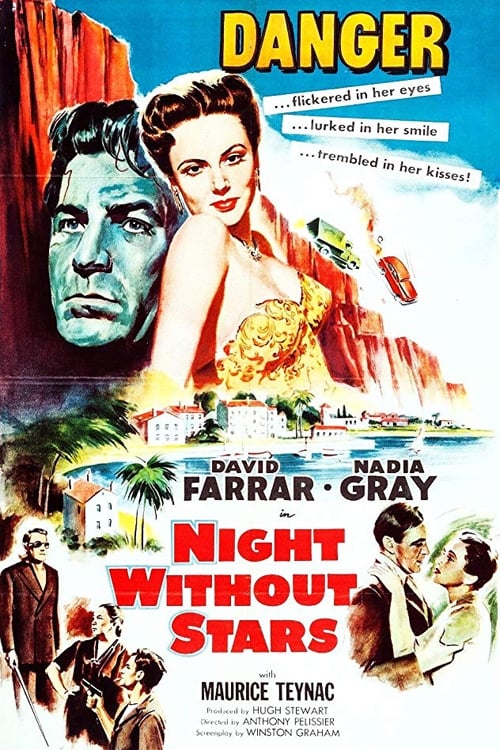
Night Without Stars is a study of social cohesion set in the 1950s. It focuses more on exploring communal ethics and morality rather than diverse character development. The film excels in its examination of the breakdown of institutional authority and the dangers of vigilante justice. However, the lack of diverse representation and adherence to traditional social hierarchies limit its broader appeal.
Category Breakdown
The film does not include any LGBTQ+ characters or non-assuming gender matches what was assigned at birth identities. The story stays within the traditional social structures of the 1950s.
The story centers around a male-dominated hierarchy. Women are present but play minor roles compared to the male-driven conflicts and plot points.
The cast is very uniform, reflecting the time when the film was made in 1951. There is no intentional racial diversity or characters from non-Anglo-Saxon backgrounds.
The film looks at how legal authority breaks down in favor of mob rule. It questions the idea of an infallible social order by showing the dangers of vigilante justice.
The main character's partial blindness is a key part of the story. It's unclear if this portrayal gives the character a strong role in the story or just serves as a psychological device.
Present on Screen
Limited or Absent
Official Synopsis
A partially blind Englishman retires to the French Riviera. He meets and falls for the Widow of a French Resistance fighter but is horrified when he discovers she is involved with smugglers and murderers.
1951
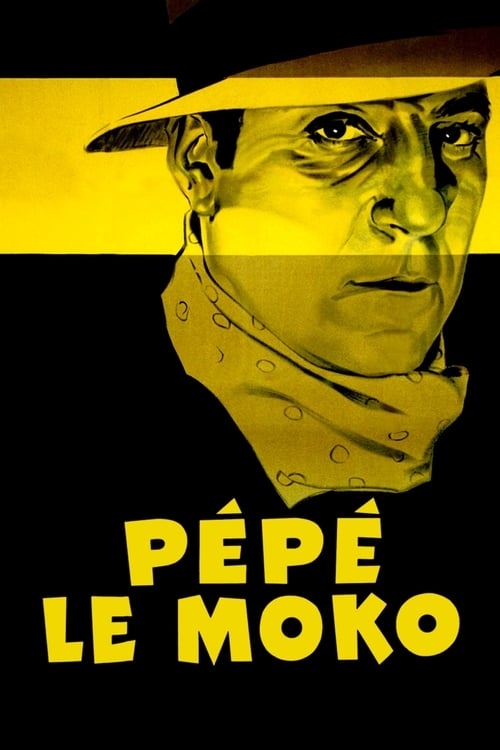
1937
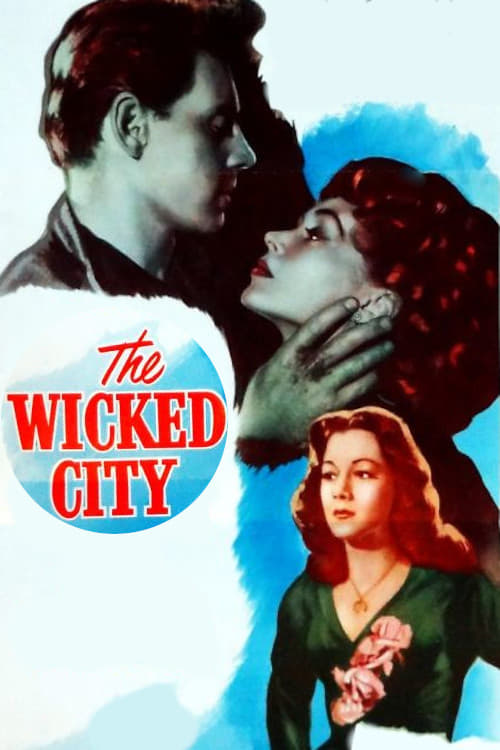
1949

1952
1953
1955
1950
1955
No reviews yet. Be the first to share your thoughts on this movie!
Use the rating form above to leave a star rating and optional review.