
The Blood of Wolves
2018
No user ratings available yet
Representation score: 3.3 out of 10
Representation Score
Limited
2016
Director
Kazuya Shiraishi
Runtime
135 minutes
Average Rating
No ratings yetNew Showbiz Analysis
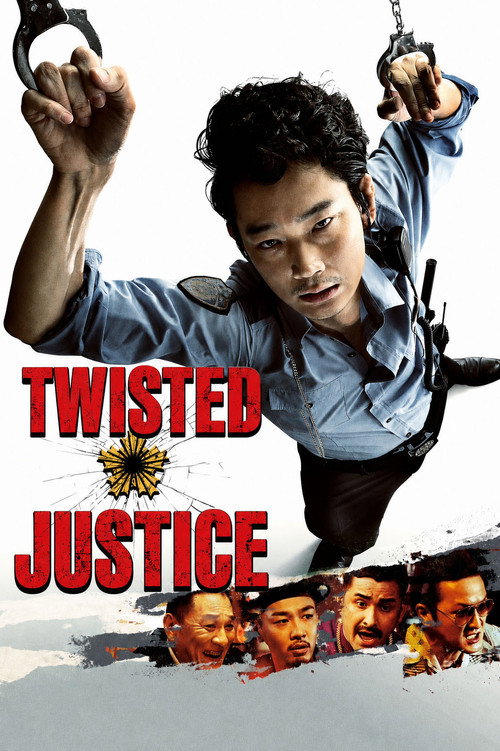
Twisted Justice is a gritty character study that prioritizes genre-driven themes of corruption over diverse representation. The film focuses heavily on the moral descent of a male detective, leaning into traditional crime cinema clichés. While the film succeeds in deconstructing the sanctity of state institutions, it remains tethered to a homogeneous cultural framework. The narrative structure is built around masculine aggression and the socio-historical context of 1970s Hokkaido, leaving little room for underrepresented identities.
Category Breakdown
The film centers on a male-dominated crime narrative and lacks representation of LGBTQ+ identities. It emphasizes traditional, aggressive masculine archetypes.
The story prioritizes hyper-masculine clichés and physical dominance. Female characters have little control over their own stories and there is no challenge to patriarchal power structures.
Set in Hokkaido, the film reflects a culturally homogeneous Japanese setting. It does not include diverse ethnicities to challenge the social status quo.
The narrative offers a critique of systemic integrity by depicting the moral decay of law enforcement. It explores the blurred lines between police and the Yakuza.
The narrative provides no mention of characters navigating physical or neurodivergent disabilities.
Present on Screen
Limited or Absent
Official Synopsis
Starting in 1970s Hokkaido, the film charts the moral descent of Detective Moroboshi over three decades, the young cop quickly gets a bit too cozy with the other side of the law when his senior colleague Murai teaches him the ropes and ruts of the police business. Soon, he swaggers and rants through the streets of Sapporo a lean, mean, sex‐crazy bully, indistinguishable from a yakuza.
2018
1989
1977
1964
1973
2018
1997
1976
No reviews yet. Be the first to share your thoughts on this movie!
Use the rating form above to leave a star rating and optional review.