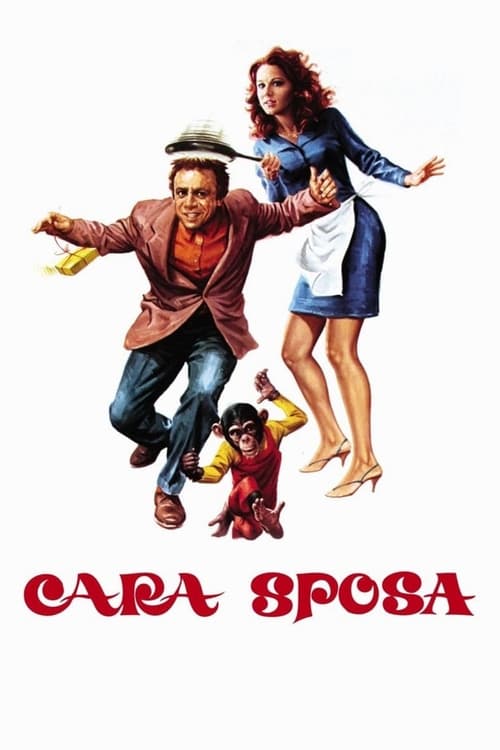
Sweetheart
1977
No user ratings available yet
Diversity score: 3.2 out of 10

1972
RDirector
Pasquale Festa Campanile
Runtime
94 minutes
Average Rating
No ratings yetSynopsis
Filli and the cavemen from "When Women Had Tails" are living a carefree life inside a dinosaur skeleton. But when conman Ham introduces them to the concept of currency and economics, their lives fall apart. On top of that, Filli starts to fall in love with Ham.
Overall Score
Fair
Category Breakdown
LGBTQ+ Representation
The narrative focuses on a romantic connection between Filli and Ham. There is no explicit evidence of LGBTQ+ characters or non-heteronormative identities present.
Gender Representation
The film uses the loss of 'tails' as a metaphor for shifting social status. It critiques how patriarchal economic structures disrupt female agency and existing social orders.
Racial & Ethnic Diversity
Set in a prehistoric context, the film uses a stylized, archetypal casting approach. There is no evidence of intentional intersectional casting or diverse ethnic identities.
Religious & Cultural Diversity
The story offers a strong critique of capitalism and institutional greed. It frames the introduction of currency as a corrosive force that destroys communal harmony.
Disability Representation
There are no discernible depictions of physical or neurodivergent disabilities. No characters are identified as having specific disabilities within the narrative.
Strengths
Areas for Improvement
AI Analysis
Pasquale Festa Campanile uses a comedic, prehistoric setting to satirize the transition from egalitarianism to structured society. The film's strength lies in its subversion of social mores and its critique of how economic systems disrupt communal living. However, the film lacks modern intersectional breadth. It relies on archetypal casting and lacks explicit representation of LGBTQ+ identities or diverse ethnic backgrounds, reflecting the era's production standards. Ultimately, the work functions as a social commentary on the onset of capitalism rather than a study of identity politics.
1977
1981
1982
1982

1970
1971

2002
1973

1973

1971

1973
1965
No reviews yet. Be the first to share your thoughts on this movie!
Use the rating form above to leave a star rating and optional review.