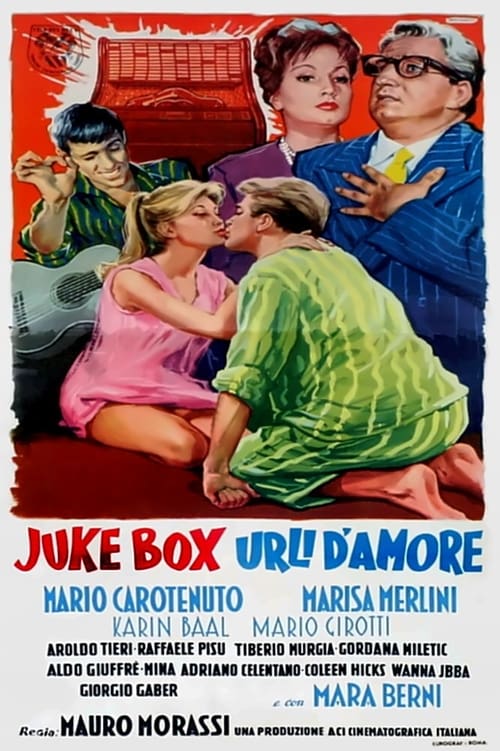
Juke Box - Screams of Love
1959
No user ratings available yet
Representation score: 1.4 out of 10

Representation Score
Limited
1977
Director
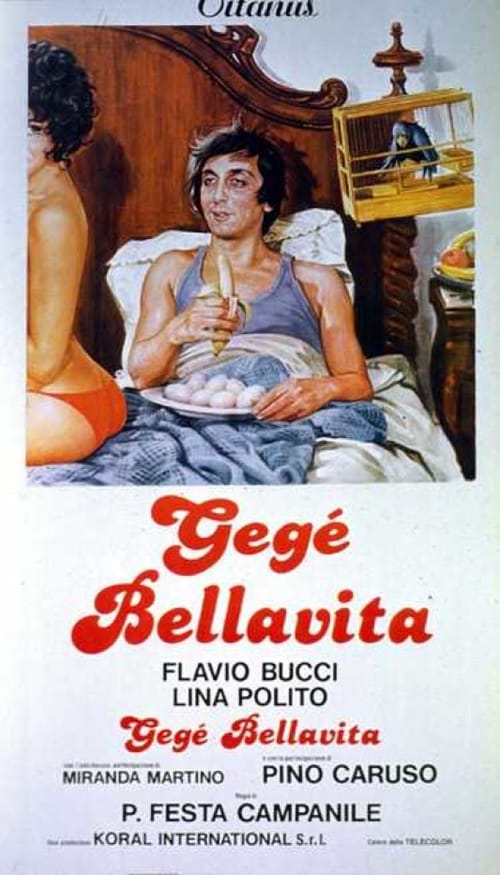
Pasquale Festa Campanile
Runtime
109 minutes
Average Rating
No ratings yetNew Showbiz Analysis
Sweetheart (1977) primarily serves as a character study of domestic upheaval. It successfully disrupts traditional gender hierarchies by centering the female lead's significant role in the dissolution of the marital contract. However, the film remains limited by the demographic homogeneity of its era, lacking representation for LGBTQ+ identities and characters with disabilities. Ultimately, the film critiques social and familial structures rather than serving as a platform for modern identity politics.
Category Breakdown
The film does not include any characters with non-straight or non-cisgender identities. The main conflict revolves around a traditional marriage.
Adelina takes a significant role by rejecting her husband after his release, challenging traditional patriarchal hierarchies and the role of the submissive spouse.
The film reflects the demographic homogeneity typical of 1977 Italian cinema. There is no evidence of a diverse or non-Anglo-Saxon majority cast.
The story explores the failure of traditional institutions like the family and legal system. It emphasizes situational ethics over a singular moralistic view of domestic stability.
There is no mention or evidence of characters with visible or invisible disabilities in the narrative.
Present on Screen
Limited or Absent
Official Synopsis
Alfredo, jailed for theft and fraud, after having served the sentence discovers that his wife Adelina no longer wishes to live with him.
1959
1972
1971
1976

1981

1978
1970
1979
No reviews yet. Be the first to share your thoughts on this movie!
Use the rating form above to leave a star rating and optional review.