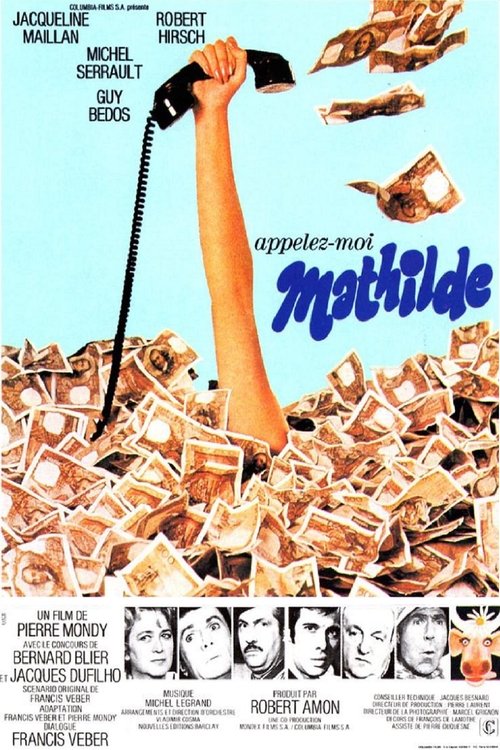
Call Me Mathilde
1969
No user ratings available yet
Representation score: 0.6 out of 10
Representation Score
Fair
1973
Director
Nina Companéez
Runtime
105 minutes
Average Rating
No ratings yetNew Showbiz Analysis
The film stands out for its subversion of period-piece gender dynamics. Instead of a typical rescue mission, the narrative centers on female autonomy and intellectual mentorship, disrupting the usual male-centric gaze of 1970s comedy. However, the film remains limited by its historical setting. The lack of racial diversity and the absence of LGBTQ+ characters reflect the era's social constraints and the specific focus on straight relationships. Ultimately, the work is defined by its director's perspective, using a comedic lens to challenge traditional romantic hierarchies and moral dogmatism.
Category Breakdown
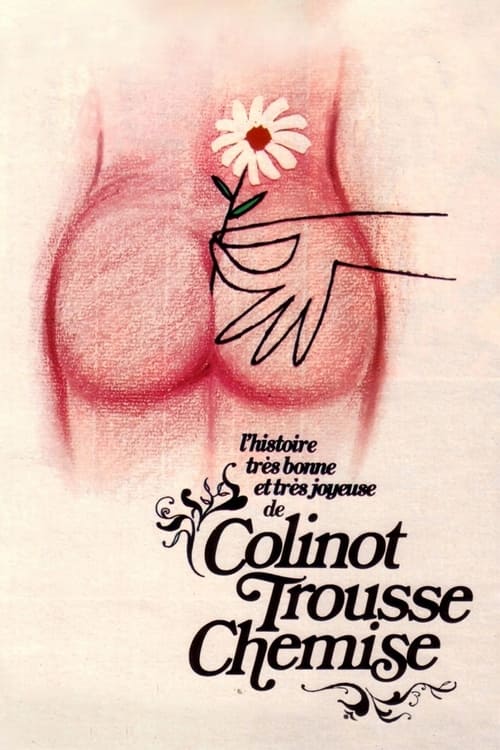
The story focuses on Colinot's romantic pursuits and shifting attachments, but there are no explicit mentions of queer identities or non-straight characters.
The film challenges traditional gender roles by allowing the fiancée to make her own choices and act independently. Arabelle serves as a mentor, offering intellectual guidance to the male protagonist.
Set in 15th-century France, the cast reflects the historical homogeneity of the period. While there is no active whitewashing, the lack of diverse casting limits representation.
The story deconstructs romantic ideals by framing betrayal as a joyful journey of personal growth. This approach prioritizes situational ethics over rigid, traditional moralism.
There are no visible or mentioned depictions of physical or neurodivergent disabilities in the film.
Present on Screen
Limited or Absent
Official Synopsis
Colinot is a young, happy man, until the day three highway robbers abduct his fiancée. The search leads him to meet so many young, lovely women – that when he finally encounters his fiancée, he's no longer sure he loves her.
1969
1967

1974

1938
1976

1987

1950
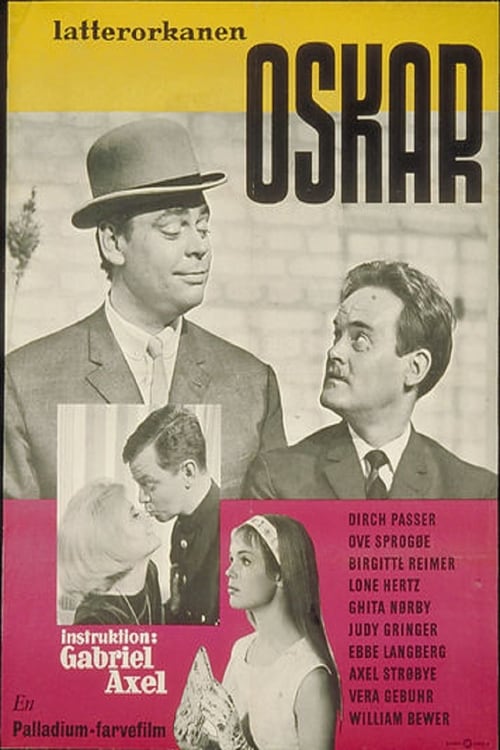
1962
No reviews yet. Be the first to share your thoughts on this movie!
Use the rating form above to leave a star rating and optional review.