
Non c'è 2 senza te
2015
No user ratings available yet
Representation score: 3.1 out of 10
Representation Score
Good
1981
Director
Pasquale Festa Campanile
Runtime
131 minutes
Average Rating
No ratings yetNew Showbiz Analysis
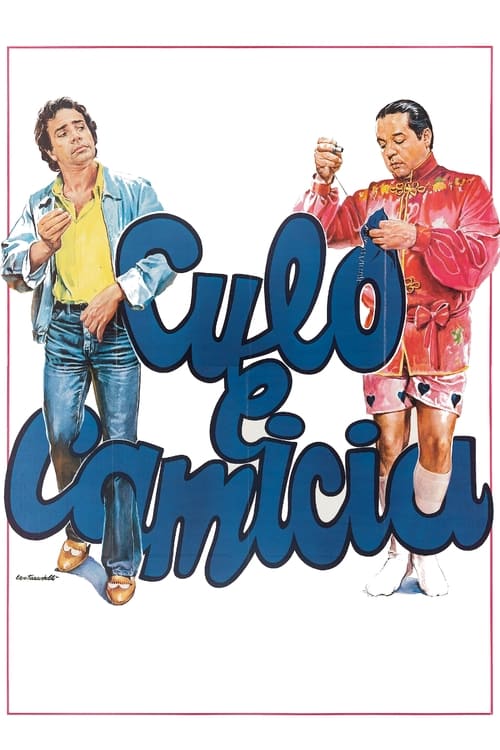
Culo e camicia stands out for its progressive handling of LGBTQ+ themes for cq 1981. By centering a gay man's domestic and romantic complexities without relying on ridicule, the film disrupts the straight-centered comedy clichés of its time. However, the film's impact is limited by a lack of racial diversity and a more traditional approach to gender and disability in its first segment. The focus remains largely on a homogeneous Mediterranean social landscape. Ultimately, the film is a transitional work that uses comedy to explore unconventional social dynamics and emotional vulnerability, even if it lacks broad diversity.
Category Breakdown
The second part of the film features a gay male character dealing with a committed relationship. His identity isn't made into a joke; instead, the film focuses on the emotional complexities of his changing feelings towards his partner.
The movie explores various gender dynamics, showing a male character's vulnerability in the first part and the emotional fragility of a man in a domestic partnership in the second.
The production appears to focus on a homogeneous Mediterranean cast. There is no evidence of significant racial blending or non-white characters in central, actively leading roles.
The story explores moral relativism through personal emotional truths rather than traditional morality. It portrays domestic life as a place of melodrama and interpersonal confusion.
In the first part, a character with a stutter is introduced. The story focuses on the social and intimate challenges arising from this speech impediment.
Present on Screen
Limited or Absent
Official Synopsis
The movie is basically two unrelated comedic features: the first one features the travails of a man who stutters and tries to woo a woman he wants to date. The second features the wonderful Renato Pozetto as a gay man who lives with a partner, but finds himself falling for a woman, and not knowing how to tell his partner, who is prone to melodrama.
2015
1980

1982
1978
1982

1990

1984
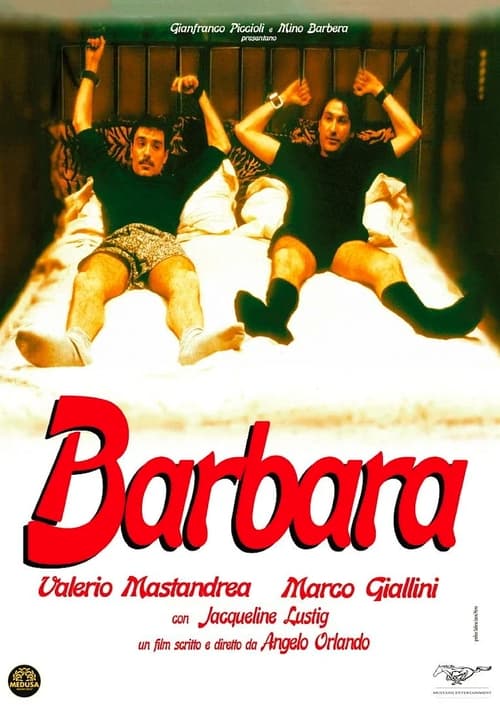
1998
No reviews yet. Be the first to share your thoughts on this movie!
Use the rating form above to leave a star rating and optional review.