
Zeta One
1969
No user ratings available yet
Representation score: 2.2 out of 10

Representation Score
Fair
1970
RDirector
Pasquale Festa Campanile
Runtime
105 minutes
Average Rating
No ratings yetNew Showbiz Analysis
Pasquale Festa Campanile’s film is a surrealist comedy that uses a unique biological trait to challenge social hierarchies. Its strongest point is in subverting traditional gender roles by shifting power dynamics and complicating masculine leadership. However, the film is confined to the context of 1970s erotic farce, emphasizing heterosexual tension over a wider range of identities. It lacks LGBTQ+ and racial diversity. While the film effectively deconstructs social and religious norms through satire, it falls short in representing a broader spectrum of identities.
Category Breakdown
The film centers around heterosexual tension and does not include any queer narratives or non-cisgender identities.
The narrative uses a biological concept to give women unique roles, disrupting traditional dominance and submission through comedic interactions.
The cast follows typical Mediterranean stereotypes of the time, lacking intentional inclusion of non-white actors.
The film promotes sexual freedom and moral flexibility, challenging religious strictures by presenting order as easily disrupted by biological quirks.
The story does not address neurodivergence or physical impairments, focusing solely on the mythological aspect of the characters' tails.
Present on Screen
Limited or Absent
Official Synopsis
Seven orphan cavemen grow up on a little island all by themselves. After a fire burns all vegetation they set out to find a new place to live.
1969

1984
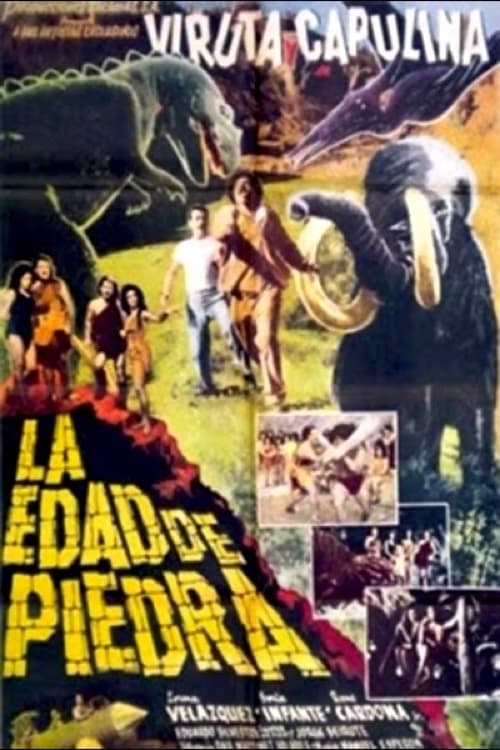
1964
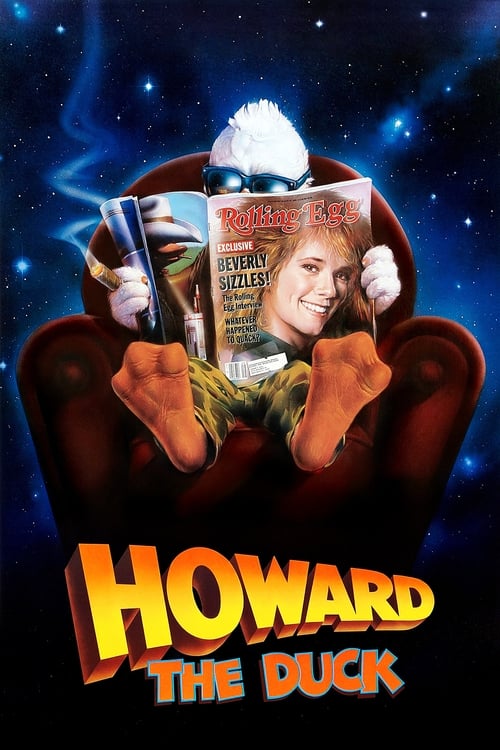
1986
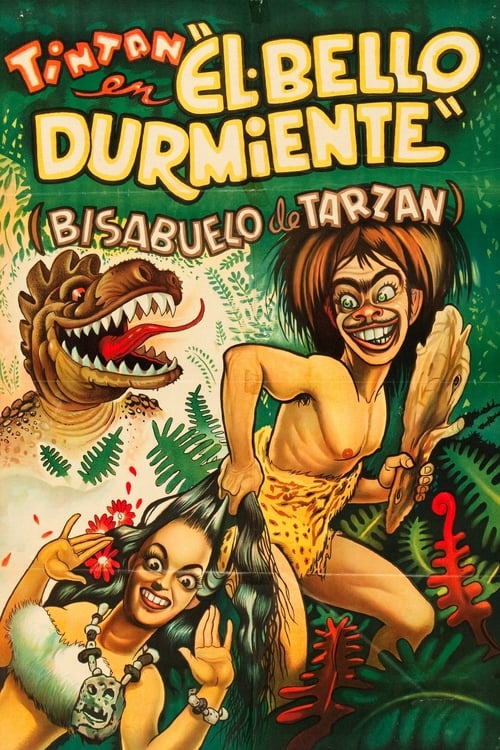
1952
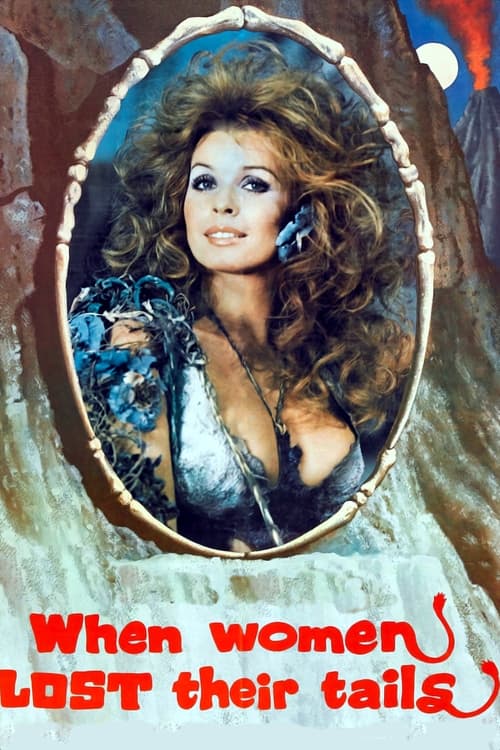
1972
1908
1950
No reviews yet. Be the first to share your thoughts on this movie!
Use the rating form above to leave a star rating and optional review.