You are here:

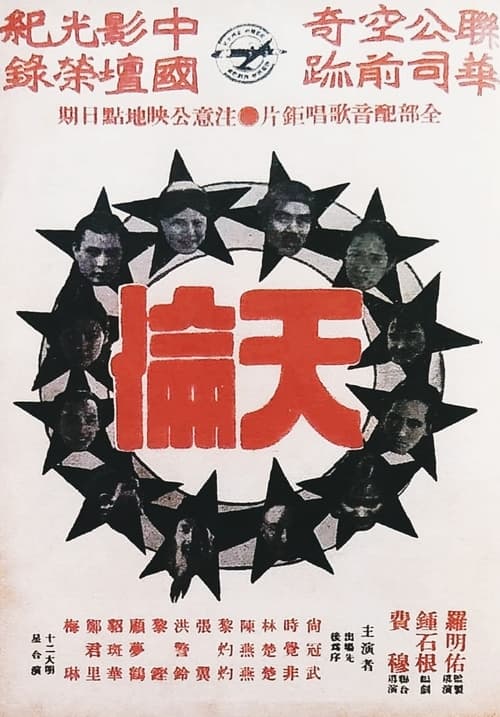
Midnight

Midnight

Representation Score

4.7/10

Fair

1981

R

Director

Sang Hu

Runtime

150 minutes

Average Rating

No ratings yet

New Showbiz Analysis

Midnight is a period drama that prioritizes socio-political textures and the psychological collapse of a male industrialist. It excels at deconstructing colonial-era power dynamics and the influence of Western capital on local Chinese industry. However, the film remains focused on traditional gender roles and lacks representation for LGBTQ+ identities. The narrative structure is heavily centered on a male-driven professional conflict. Ultimately, the film's strength lies in its critique of historical economic struggles rather than its character diversity.

Watch this, not that →

Category Breakdown

Does Midnight have LGBTQ+ representation?

Limited

The film does not feature any explicitly LGBTQ+ characters or non-straight relationships. The story revolves around traditional marriage and professional competition.

How does Midnight portray gender?

Fair

The story centers on a male protagonist's struggle against industrial pressures. His wife's role is primarily domestic and traditional.

How racially and ethnically diverse is Midnight?

Fair

Set in 1930s Shanghai, the film features a Chinese cast and setting. It explores intercultural tensions through the influence of American-backed capital.

How does Midnight represent religion and culture?

Excellent

The film offers a sophisticated critique of Western-aligned economic structures. It examines the struggle between local industrialists and foreign-supported bourgeois interests.

Does Midnight include disability representation?

Minimal

There are no visible or invisible disabilities portrayed as plot devices within the narrative.

Present on Screen

  • Provides a sophisticated critique of Western economic hegemony and colonial-era power dynamics.
  • Offers a nuanced, vulnerable portrayal of masculinity through the protagonist's psychological struggle.
  • Engages deeply with the historical socio-political textures of 1930s Shanghai.

Limited or Absent

  • Lacks representation of LGBTQ+ identities or non-straight characters.
  • Features limited roles for female characters, who occupy traditional domestic roles.
  • Does not include portrayals of disability or diverse physical abilities.

Official Synopsis

In 1930's Shanghai, Wu Sunpu, chief executive of the Shanghai Yuhua Silk Company, faces many struggles: with plant workers, with strikers, others in his industry, and most of all with bourgeois comprador Zhao Botao. Capitalists and other figures in Shanghai's industrial and commercial community come and go. The strategy finally comes down between Wu and Zhao. Zhao plans to take over Wu Sunpu's plant with support from Americans. Wu faces a choice of surrender to Zhao or bankruptcy. He considers suicide, but decides to go on vacation with his wife on Mount Lushan. When they leave Shanghai at midnight, Wu paces the deck of the ship, reviewing his life and fate.

How are these scores produced? →

Where to Watch

Rate this Movie

No rating selected
Use arrow keys to select a rating from 1 to 5 stars
Optional text review, maximum 2000 characters
Tip: Wrap spoilers with ||double pipes|| to hide them
0/2000 characters
You must be signed in to submit a rating

Reviews

No reviews yet. Be the first to share your thoughts on this movie!

Use the rating form above to leave a star rating and optional review.