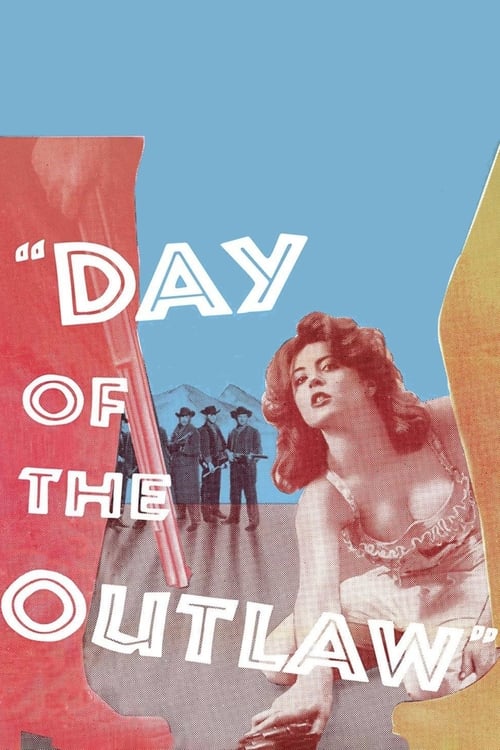
Day of the Outlaw
1959
No user ratings available yet
Diversity score: 1.7 out of 10
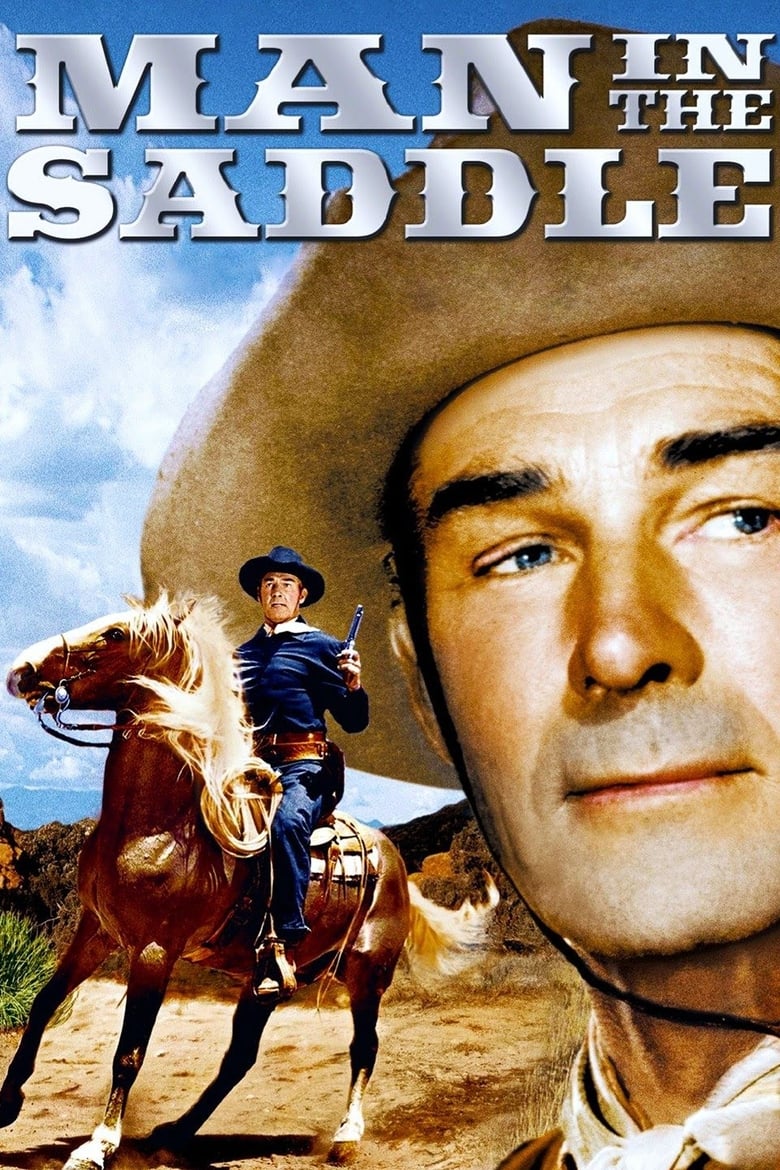
1951
NRDirector
André de Toth
Runtime
87 minutes
Average Rating
No ratings yetSynopsis
A small rancher is being harassed by his mighty and powerful neighbor. When the neighbor even hires gunmen to intimidate him he has to defend himself and his property by means of violence.
Overall Score
Limited
Category Breakdown
LGBTQ+ Representation
The film operates within a strictly heteronormative framework. There is no visible presence of queer subtext or non-cisnormative identities.
Gender Representation
The narrative reinforces mid-century hierarchies where men drive the action. Female characters serve primarily as emotional anchors rather than independent agents.
Racial & Ethnic Diversity
The production features a predominantly homogeneous white cast. It lacks non-Anglo-Saxon characters in positions of high agency.
Religious & Cultural Diversity
The story emphasizes frontier justice and personal honor. It adheres to traditional expansionist narratives without deconstructing established institutions.
Disability Representation
There are no prominent depictions of visible or invisible disabilities. Characters are defined by the physical capabilities required for the Western genre.
Strengths
Areas for Improvement
AI Analysis
Man in the Saddle is a quintessential mid-century Western that prioritizes traditional genre tropes over social subversion. The film functions as a standard period piece, adhering to the established cinematic vernacular of 1951. The narrative architecture reinforces conventional social hierarchies, particularly regarding gender and race. It focuses on a localized, homogeneous view of the American West that aligns with the era's mainstream studio expectations. Ultimately, the film lacks intersectional breadth. It relies on established masculine leadership and individualist values rather than challenging systemic norms or providing diverse perspectives.
1959
1947
1944
1957
1944
1955
1934
1964
1952
1952
1926
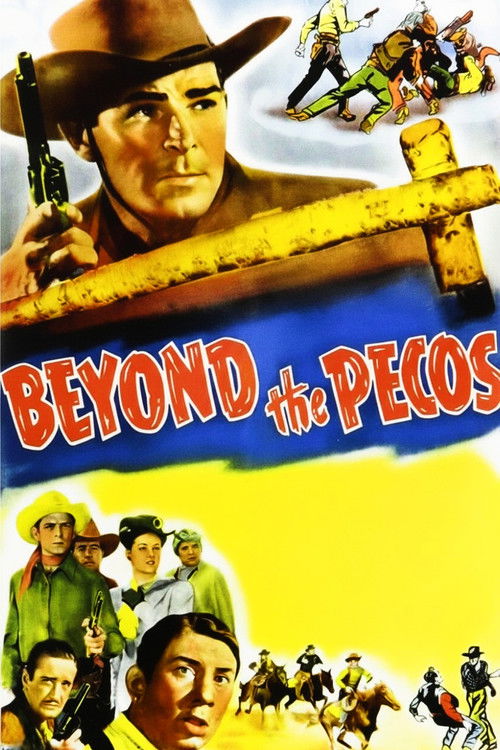
1945
No reviews yet. Be the first to share your thoughts on this movie!
Use the rating form above to leave a star rating and optional review.