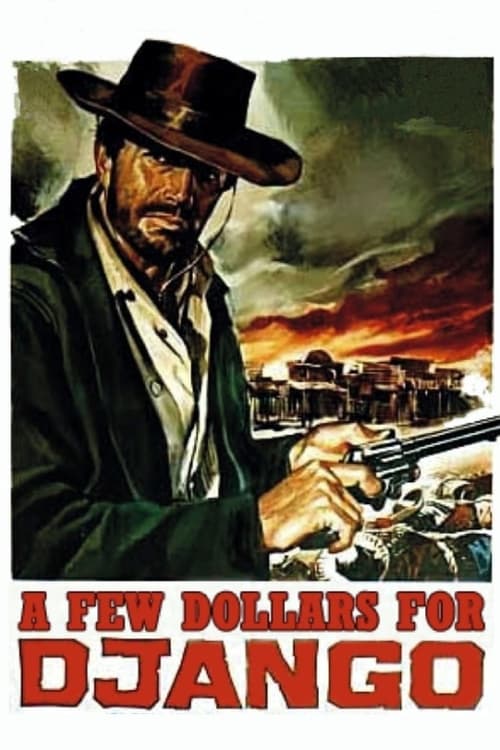
A Few Dollars for Django
1966
No user ratings available yet
Diversity score: 1.6 out of 10

1964
Director
León Klimovsky
Runtime
91 minutes
Average Rating
No ratings yetSynopsis
Tom Carter, his wife and his son Billy, live quietly on the family farm until a dispute arises between him and his rich neighbour John Price who organizes a punitive expedition against Carter. Billy is sent to Littleton by his father and when he returns he finds the house burnt down, his father killed and his mother injured. The cautious sheriff prefers to conclude to an accident despite Billy's insistance. So Billy decides to take the law into his own hands...
Overall Score
Minimal
Category Breakdown
LGBTQ+ Representation
The film operates within a strictly heteronormative framework. There are no depictions of non-cisnormative gender identities or same-sex intimacy.
Gender Representation
Female characters, such as Billy’s mother, serve primarily as emotional catalysts through their victimization. They lack individual agency, as the narrative is driven by male-centric violence and retribution.
Racial & Ethnic Diversity
The production features a cast reflecting standard genre demographics of the era. The narrative does not engage with racial intersectionality or provide significant agency to non-white characters.
Religious & Cultural Diversity
Themes of vigilantism and institutional failure are presented as standard genre tropes. The story focuses on personal survival and revenge rather than a systemic critique of societal norms.
Disability Representation
There is no discernible representation of physical or neurodivergent disabilities within the character arcs.
Strengths
Areas for Improvement
AI Analysis
Billy the Kid is a quintessential Spaghetti Western that prioritizes mythic outlaw narratives over social complexity. The film relies on traditional genre archetypes, focusing on the cycle of violence and the breakdown of communal stability. The narrative structure follows a predictable path where the victimization of the domestic sphere triggers a masculine journey of retribution. It functions as a period-specific exercise in frontier justice rather than a deconstruction of power structures. Ultimately, the film reinforces conventional social hierarchies. It favors the kinetic energy of the lawless frontier over any meaningful attempt to critique institutional oppression or explore intersectional identities.
1966
1967
1950
1940
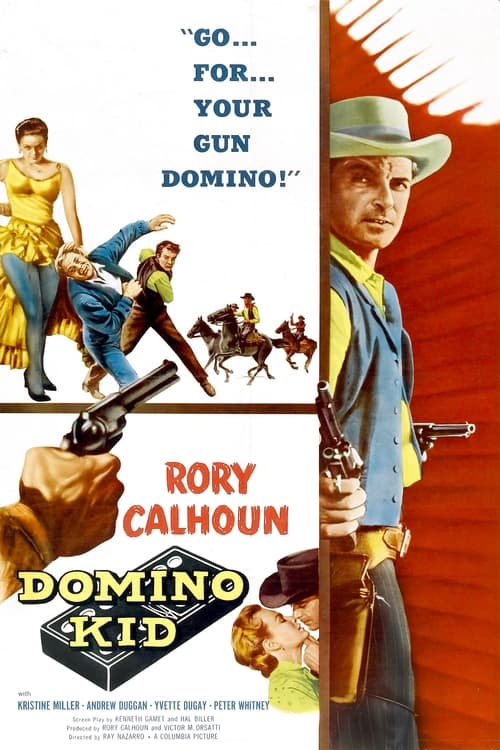
1957
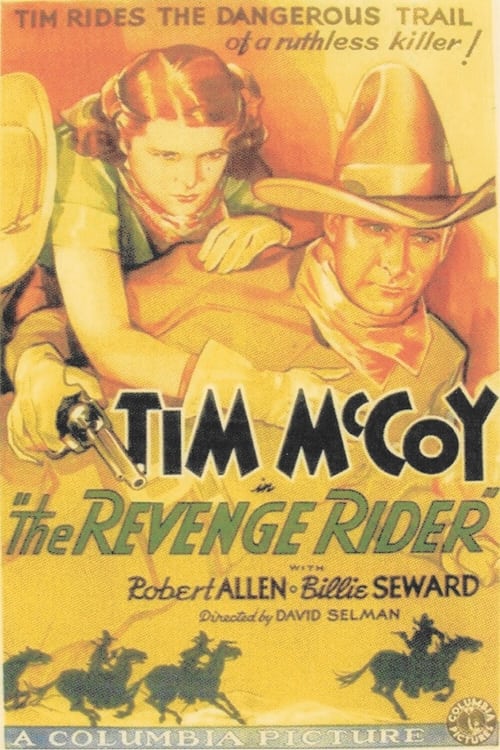
1935
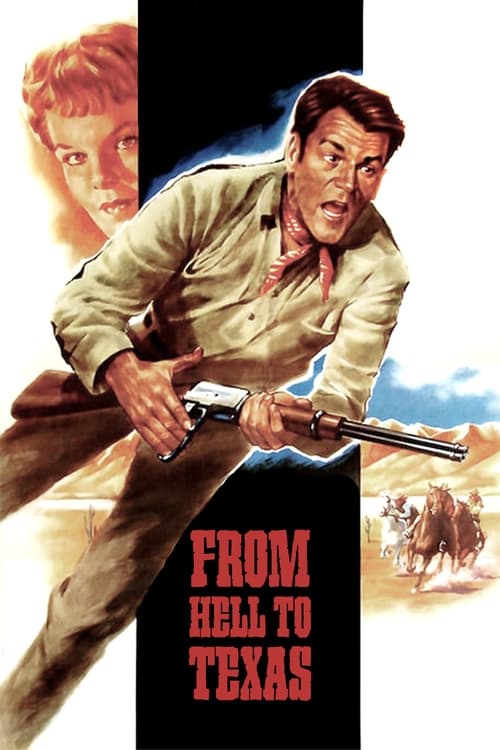
1958

1951
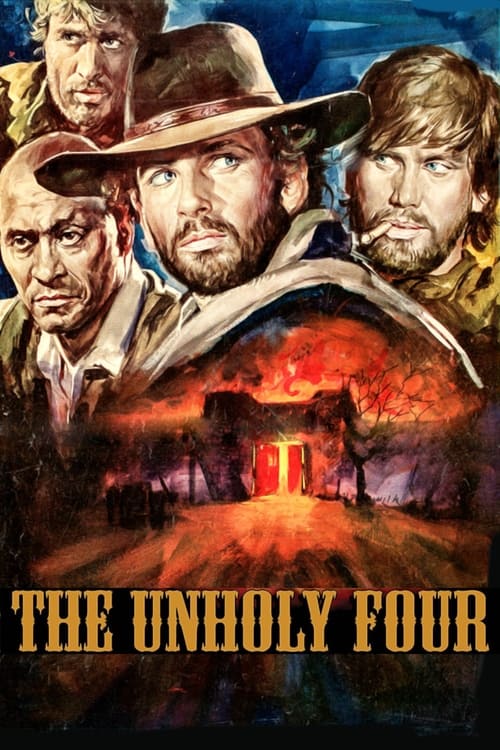
1970
1957

1956
1954
No reviews yet. Be the first to share your thoughts on this movie!
Use the rating form above to leave a star rating and optional review.