
Man in the Saddle
1951
No user ratings available yet
Diversity score: 2.1 out of 10
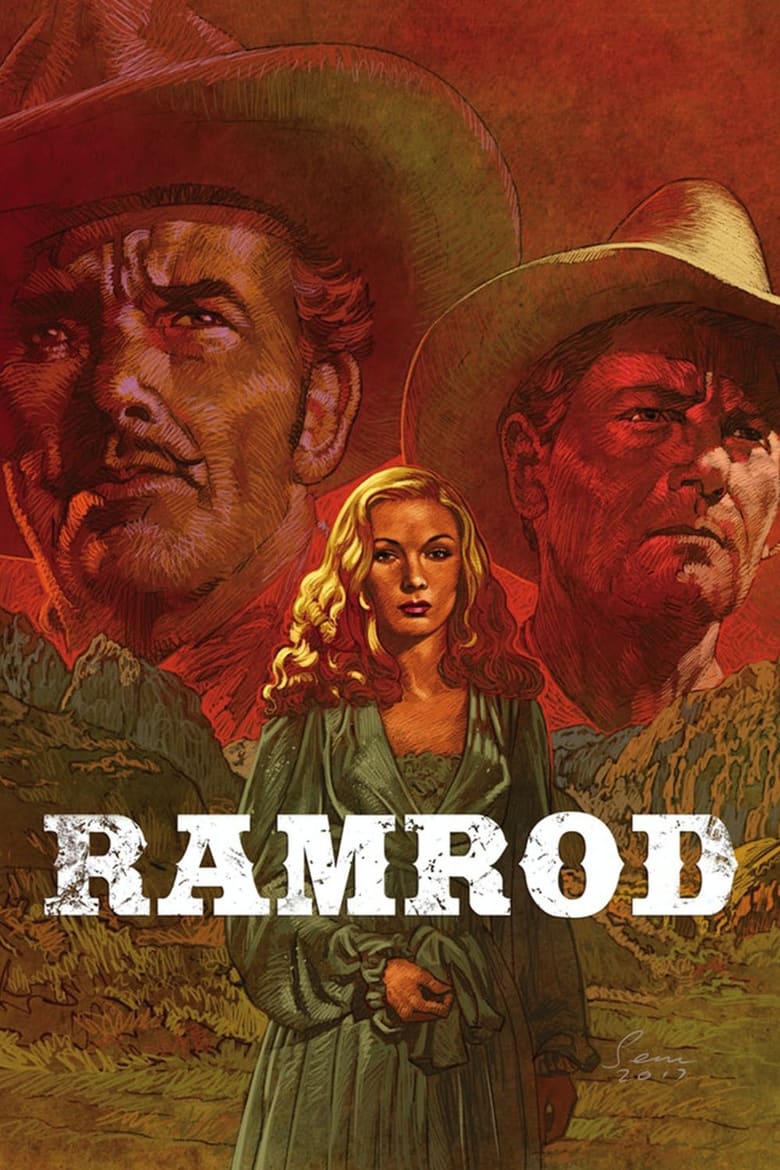
1947
NRDirector
André de Toth
Runtime
95 minutes
Average Rating
No ratings yetSynopsis
A cattle-vs.-sheepman feud loses Connie Dickason her fiance, but gains her his ranch, which she determines to run alone in opposition to Frank Ivey, "boss" of the valley, whom her father Ben wanted her to marry. She hires recovering alcoholic Dave Nash as foreman and a crew of Ivey's enemies. Ivey fights back with violence and destruction, but Dave is determined to counter him legally... a feeling not shared by his associates. Connie's boast that, as a woman, she doesn't need guns proves justified, but plenty of gunplay results.
Overall Score
Minimal
Category Breakdown
LGBTQ+ Representation
The film operates within a strictly heteronormative framework. There are no depictions of non-cisnormative gender identities or same-sex intimacy.
Gender Representation
Connie Dickason demonstrates economic agency by managing a ranch independently. However, the story ultimately relies on masculine archetypes and male physical intervention to resolve the central conflict.
Racial & Ethnic Diversity
The cast is predominantly homogeneous, reflecting 1947 production standards. The film lacks significant racial diversity or non-white characters with meaningful agency.
Religious & Cultural Diversity
The narrative focuses on preserving Western institutions like private property and legal order. It reinforces traditional values rather than critiquing Western expansionism.
Disability Representation
There are no prominent depictions of physical or neurodivergent disabilities. Dave Nash's status as a recovering alcoholic serves as a standard character trait rather than a nuanced exploration.
Strengths
Areas for Improvement
AI Analysis
Ramrod is a traditional mid-century Western that prioritizes the preservation of established social and economic hierarchies. While it offers a slight subversion of gender tropes through its female lead, the film remains anchored in conservative narrative structures. The production reflects the era's homogeneity, offering almost no racial or cultural diversity. The focus remains strictly on the struggle between frontier lawlessness and the establishment of formal legal and property rights. Ultimately, the film validates the power dynamics of the American West. It relies on masculine authority and traditional ranching interests to drive the plot and resolve its tensions.
1951
1938
1951
1930
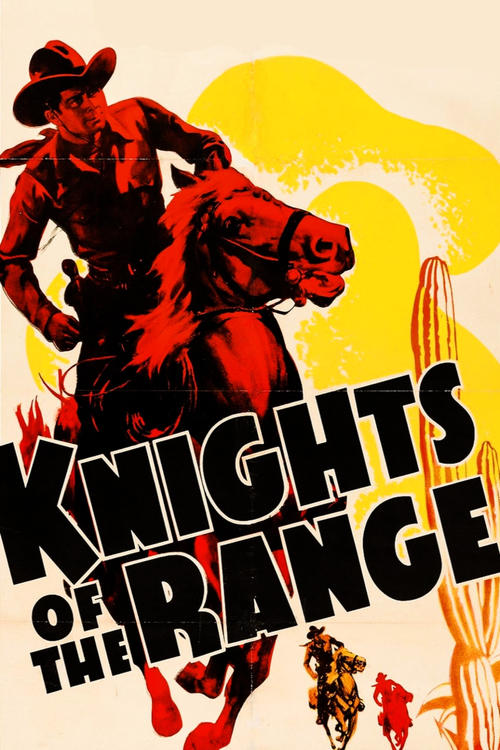
1940
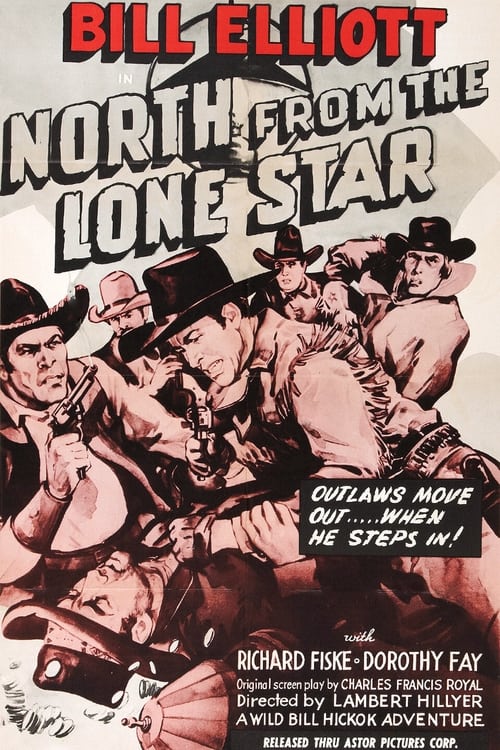
1941
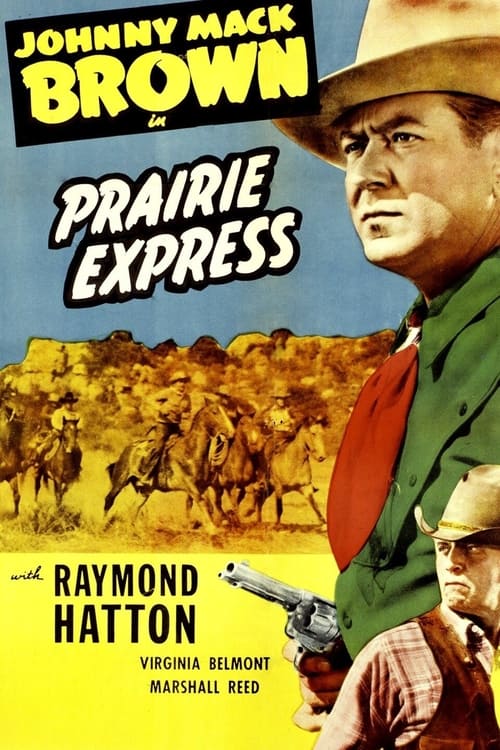
1947
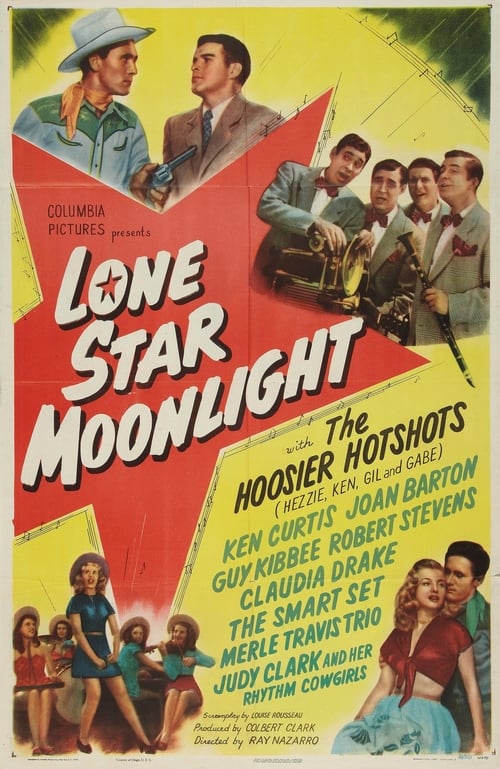
1946
1943

1945
1924
1962
No reviews yet. Be the first to share your thoughts on this movie!
Use the rating form above to leave a star rating and optional review.