Firecreek
1968
No user ratings available yet
Representation score: 1.5 out of 10
Representation Score
Minimal
1959
ApprovedDirector
André de Toth
Runtime
92 minutes
Average Rating
No ratings yetNew Showbiz Analysis
Day of the Outlaw is a classic Western that emphasizes atmosphere and suspense over challenging social norms. It relies on established hierarchies and traditional structures of gender, race, and morality. The film presents a straightforward narrative that aligns with the conventions of its time, avoiding the complexities and critiques found in more subversive works. Overall, it serves as an accurate portrayal of the period, upholding traditional views of social order and identity.
Category Breakdown
The film strictly follows the social norms of the late 1950s, showing no signs of LGBTQ+ identities or same-sex relationships.
Women in the film are mostly confined to domestic or supporting roles. Men have more prominent roles, driving the narrative and maintaining traditional gender power dynamics.
The cast is primarily white, lacking significant racial diversity. The film reflects typical representations of the American Southwest in mid-20th century cinema.
The story adheres to a conventional moral framework of the time, focusing on survival and punishment rather than critiquing Western institutions.
The film does not depict any physical, neurodivergent, or mental health disabilities. Characters are defined by their abilities needed for the Western genre setting.
Present on Screen
Limited or Absent
Official Synopsis
Blaise Starrett is a rancher at odds with homesteaders when outlaws hold up the small town. The outlaws are held in check only by their notorious leader, but he is diagnosed with a fatal wound and the town is a powder keg waiting to blow.
1968
1971
1960
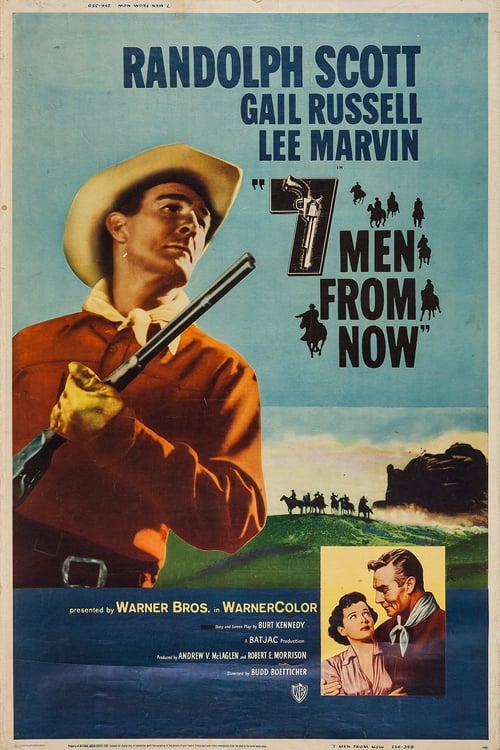
1956

1955
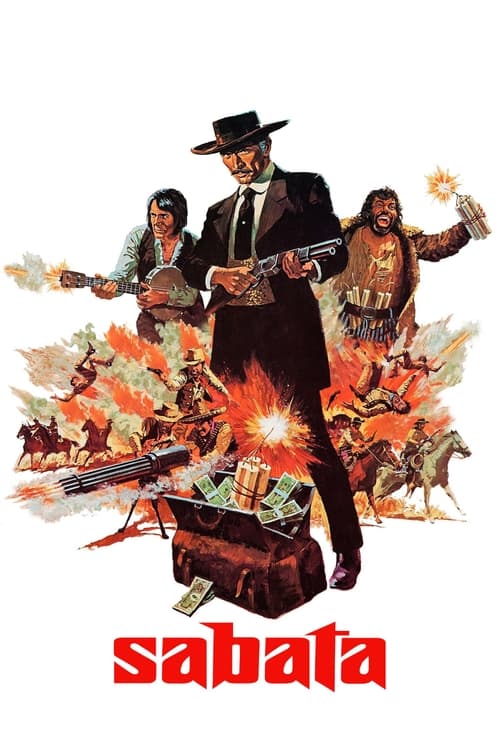
1969
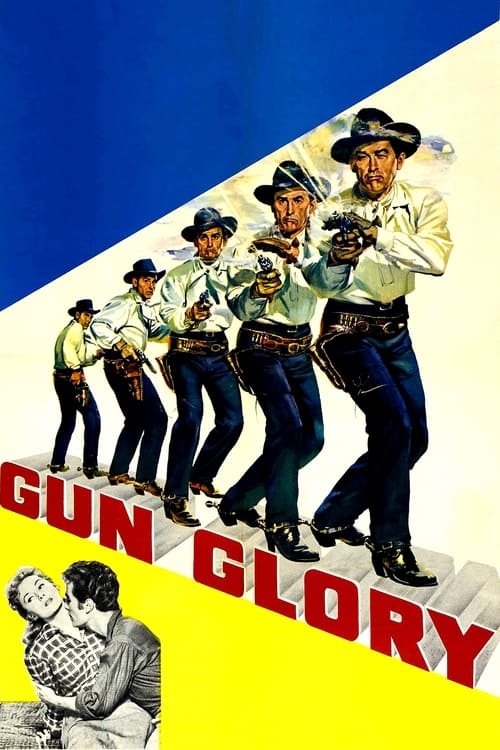
1957
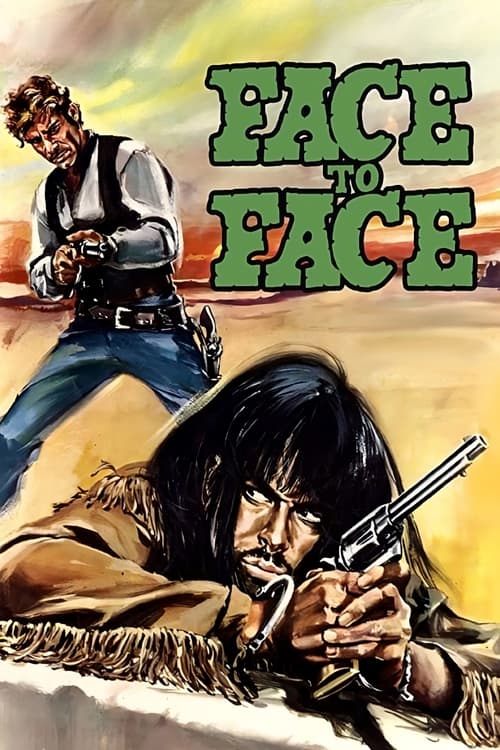
1967
No reviews yet. Be the first to share your thoughts on this movie!
Use the rating form above to leave a star rating and optional review.