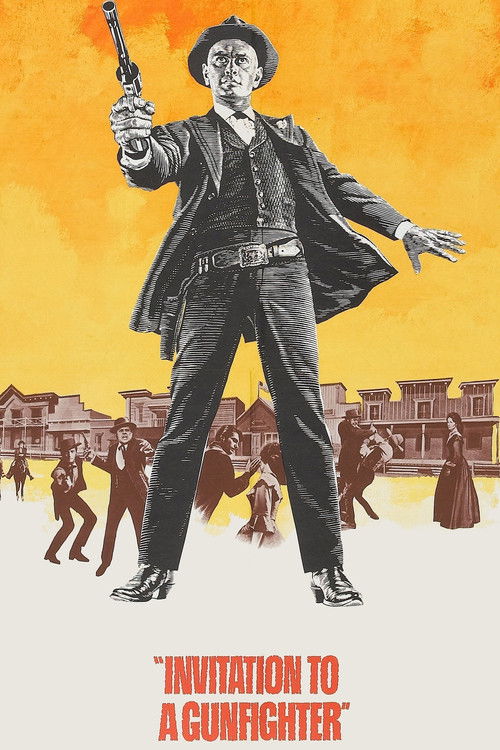
Invitation to a Gunfighter
1964
No user ratings available yet
Diversity score: 1.4 out of 10
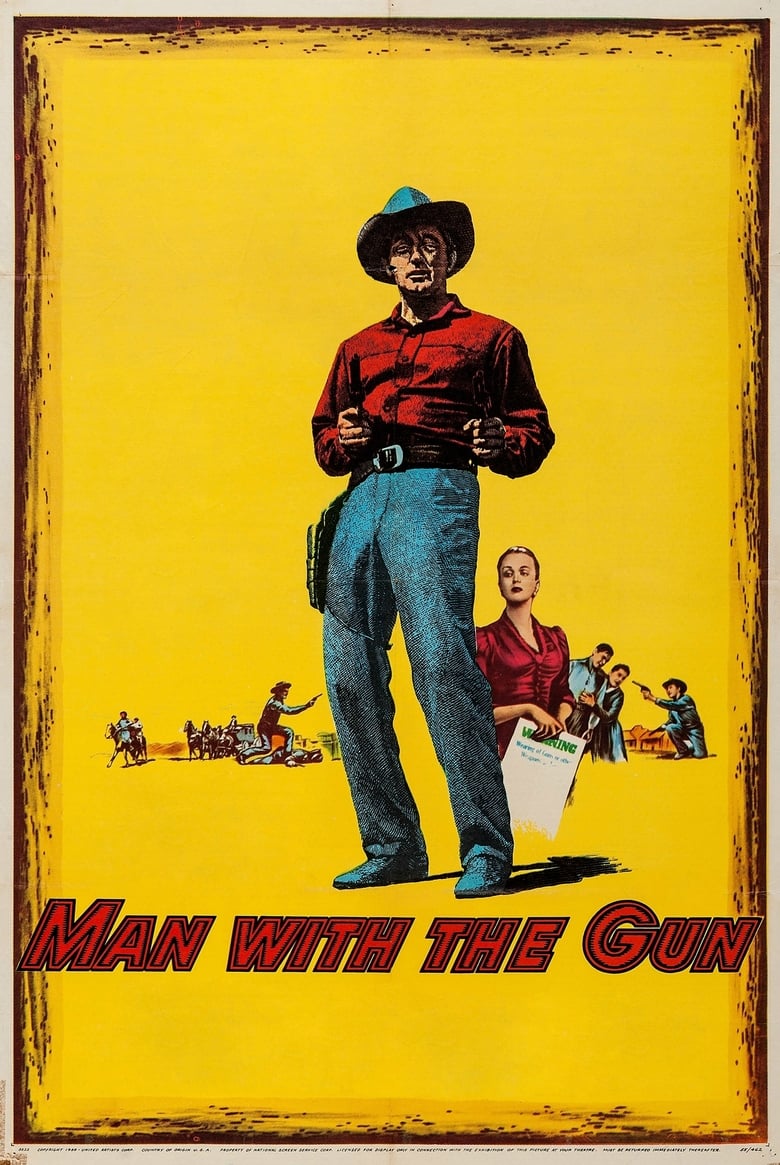
1955
NRDirector
Richard Wilson
Runtime
83 minutes
Average Rating
No ratings yetSynopsis
A stranger comes to town looking for his estranged wife. He finds her running the local girls. He also finds a town and sheriff afraid of their own shadow, scared of a landowner they never see who rules through his rowdy sidekicks. The stranger is a town tamer by trade, and he accepts a $500 commission to sort things out.
Overall Score
Minimal
Category Breakdown
LGBTQ+ Representation
The film adheres to the heteronormative standards of 1950s Western cinema. The central conflict involves an estranged wife, reinforcing traditional marital structures without non-cisnormative identities.
Gender Representation
Traditional gendered tropes define the film. While the female lead shows agency by running local girls, the male protagonist reinforces masculine leadership as the decisive town tamer.
Racial & Ethnic Diversity
The narrative focuses on Anglo-Saxon archetypes typical of the era. There is no indication of racial blending or characters of color possessing significant agency.
Religious & Cultural Diversity
The story operates within conventional Western values of individualist heroism. It portrays existing power structures, like the sheriff and landowner, without challenging frontier institutions.
Disability Representation
There is no evidence of characters with disabilities being portrayed with agency. Physical ailments are not featured as nuanced character studies within this narrative.
Strengths
Areas for Improvement
AI Analysis
Man with the Gun is a conventional mid-century Western that relies heavily on established genre archetypes. The story centers on a male stranger navigating traditional power structures and marital conflicts, reflecting the social norms of 1955. The film lacks intersectional complexity, focusing instead on a singular, masculine-driven resolution of local conflict. It reinforces existing hierarchies of gender and race rather than subverting them. Ultimately, the production serves as a period-typical example of the Western genre, prioritizing traditional heroism and social order over diverse or nuanced representation.
1964
1952
1964
1957
1957
1963
1968

1951
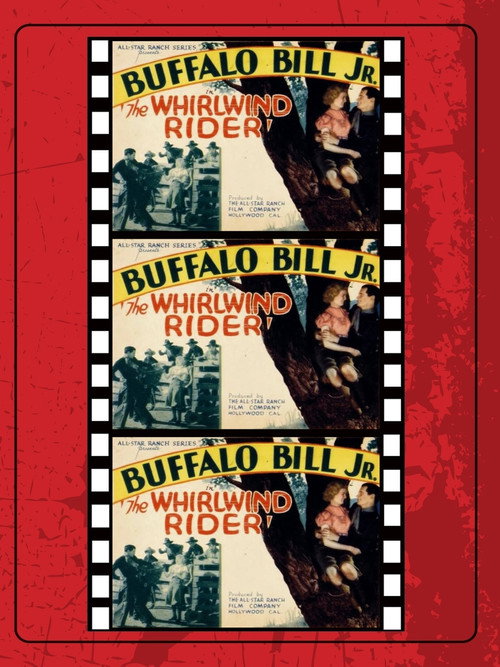
1934
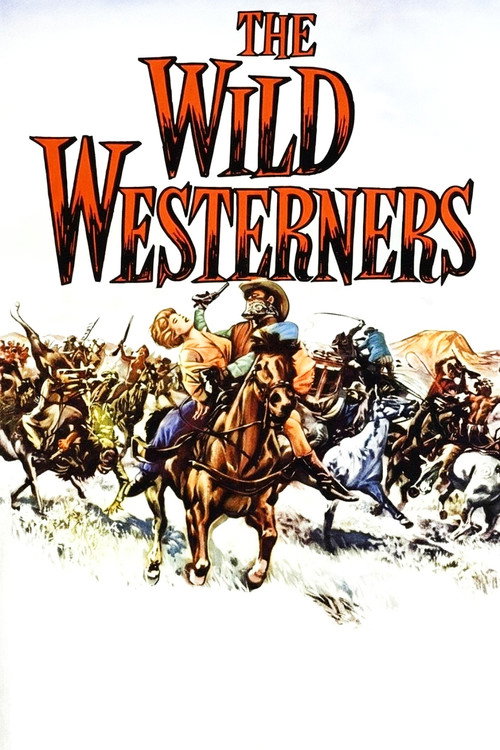
1962
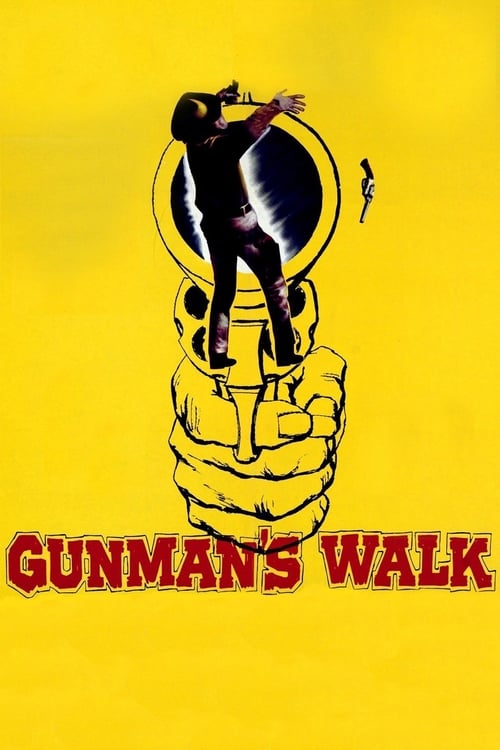
1958
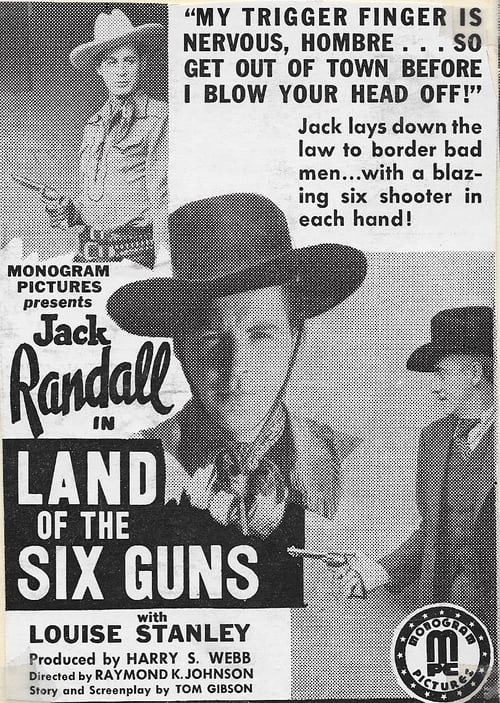
1940
No reviews yet. Be the first to share your thoughts on this movie!
Use the rating form above to leave a star rating and optional review.