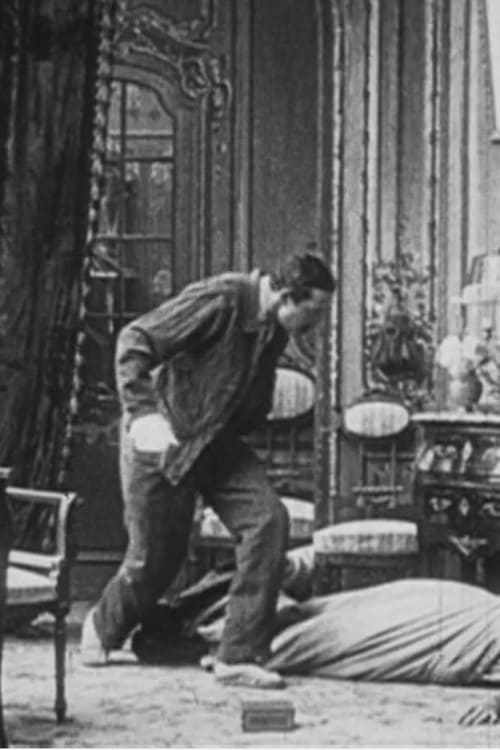
The Man with White Gloves
1908
No user ratings available yet
Representation score: 1.1 out of 10
Representation Score
Minimal
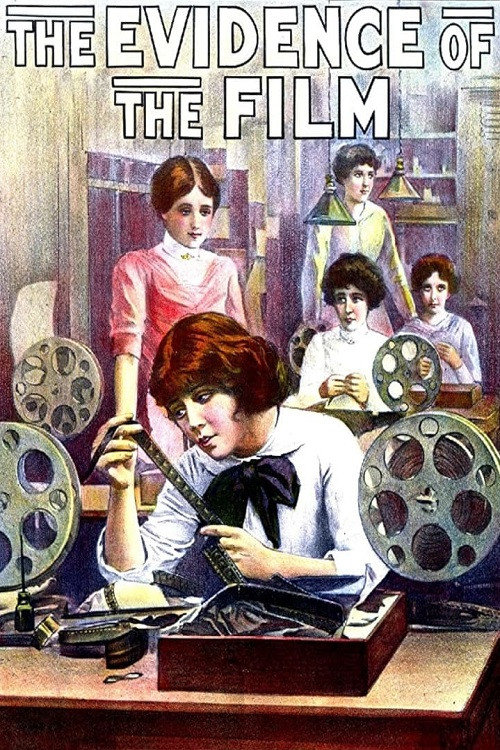
1913
NRDirector
Lawrence Marston, Edwin Thanhouser
Runtime
15 minutes
Average Rating
No ratings yetNew Showbiz Analysis
The film is a product of its time, using a meta-cinematic device to resolve a crime. The narrative architecture relies on traditional storytelling conventions of the early 1910s, focusing on a linear arc of accusation and exoneration. Representation is limited by the era's standard clichés. The plot is driven by male-centric conflict and legal authority, offering little room for complex identity issues or the deconstruction of social hierarchies. Ultimately, the work celebrates technological truth rather than serving as a platform for diverse identity politics.
Category Breakdown
The film does not include any LGBTQ+ characters or narratives. It follows a traditional crime storyline typical of the silent era.
The story centers around a male protagonist and a male antagonist. There is no evidence of women's ability to drive the story or challenges to gender hierarchies.
The narrative appears to align with the homogeneous casting standards of early silent film. There is no indication of non-Anglo-Saxon characters.
The film reinforces faith in social institutions and technology. It operates within a traditional framework of justice and institutional authority.
There is no mention of characters with visible or invisible disabilities. The narrative focuses entirely on the theft and exoneration arc.
Present on Screen
Limited or Absent
Official Synopsis
A messenger boy is wrongfully accused of stealing bonds worth $20,000. Luckily, a film crew is shooting a moving picture on the same street. The boy's accuser has the police convinced, until...
1908

1930
1895
1903
1926
1942
1912

1912
No reviews yet. Be the first to share your thoughts on this movie!
Use the rating form above to leave a star rating and optional review.