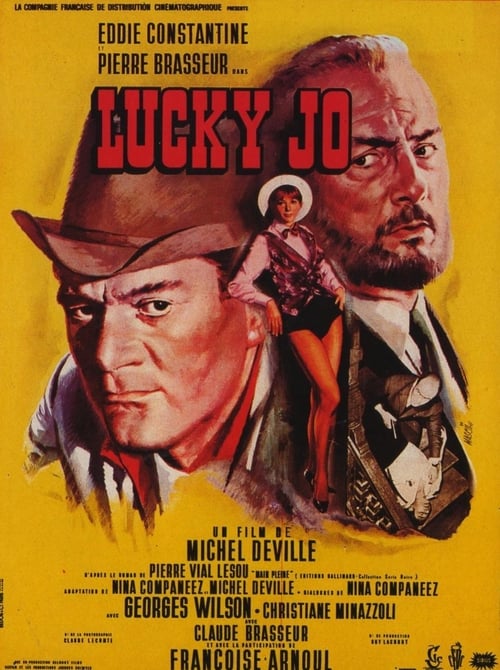
Lucky Jo
1964
No user ratings available yet
Diversity score: 3.8 out of 10
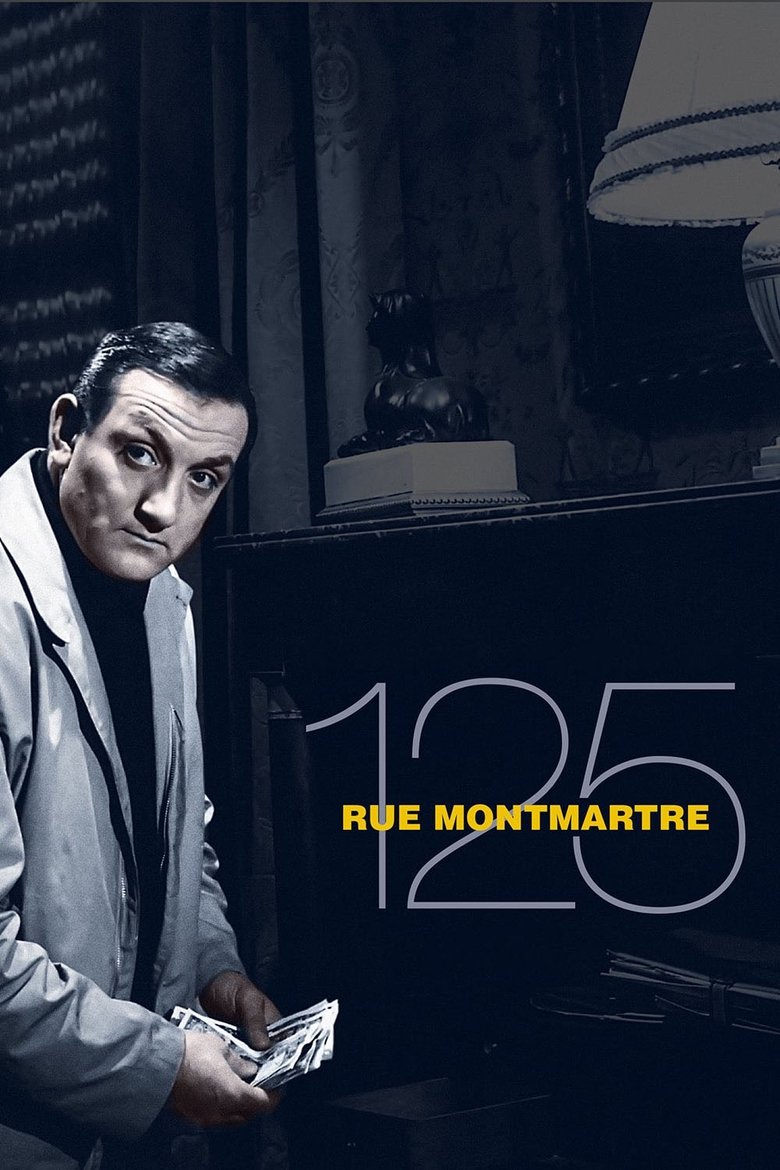
1959
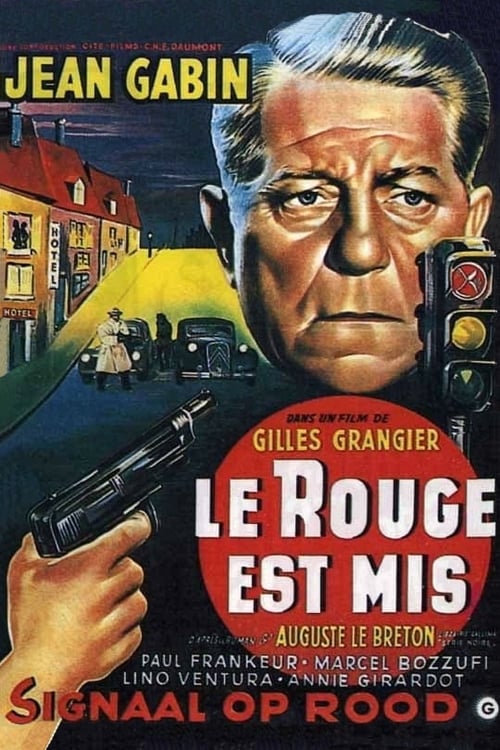
Director
Gilles Grangier
Runtime
86 minutes
Average Rating
No ratings yetSynopsis
Desperate, Didier throws himself out in the Seine. Pascal, a newsboy, jumps and saves him. It’s the beginning of the friendship between them.Once, as Pascal helps Didier, he finds himself involved in a murder. Only the superintendent believes in his innocence…
Overall Score
Fair
Category Breakdown
LGBTQ+ Representation
The film focuses on a platonic bond between two men. There is no explicit evidence of queer identities or non-heteronormative narratives.
Gender Representation
The story centers on male agency and a male-dominated social sphere. Female characters lack significant agency or presence in the narrative.
Racial & Ethnic Diversity
The setting reflects standard 1950s French demographic distributions. There is no explicit mention of non-white or diverse ethnic casting.
Religious & Cultural Diversity
The film utilizes social realism to highlight the struggles of the urban working class. It explores systemic hardship through marginalized characters.
Disability Representation
No specific evidence exists regarding physical or neurodivergent disabilities. A suicide attempt is mentioned, but its handling remains unclear.
Strengths
Areas for Improvement
AI Analysis
Gilles Grangier’s crime drama is a product of its era, leaning heavily into mid-century social realism. It finds its strength in portraying the struggles of the urban working class and marginalized individuals in Paris. However, the film adheres to traditional genre tropes that prioritize male-centric dynamics. The narrative lacks intersectional complexity, focusing instead on a localized, homogeneous social structure typical of 1950s French cinema. Ultimately, while the film offers a window into socioeconomic hardship, it does not actively subvert social hierarchies or provide diverse representation across gender, race, or identity.
1964
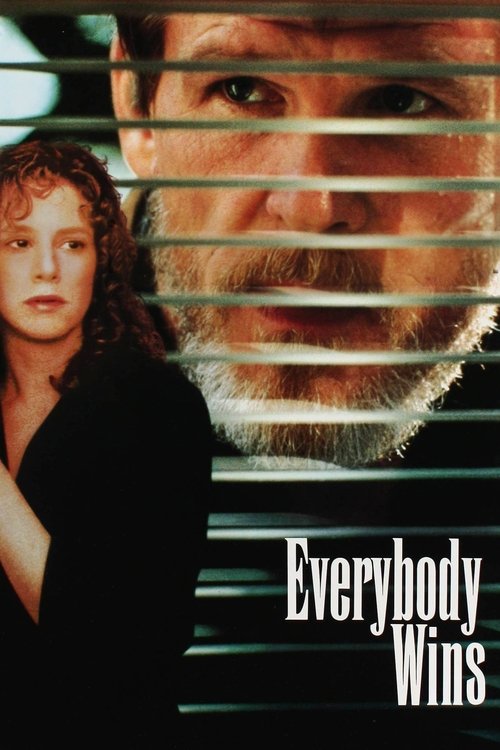
1990
1957
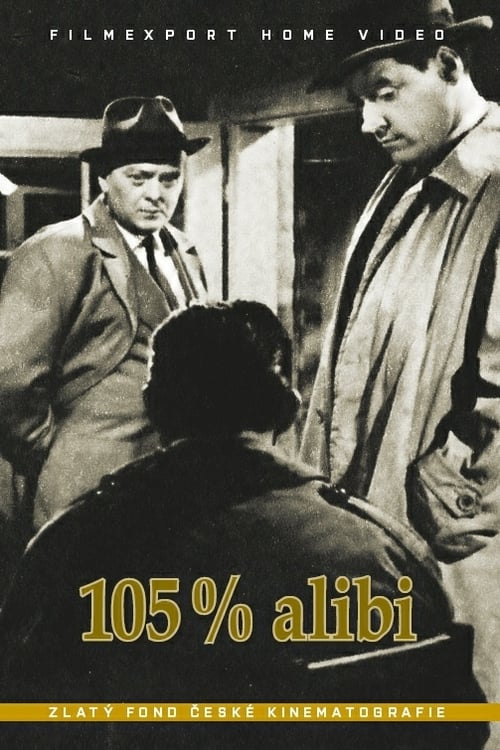
1959

2018

2021
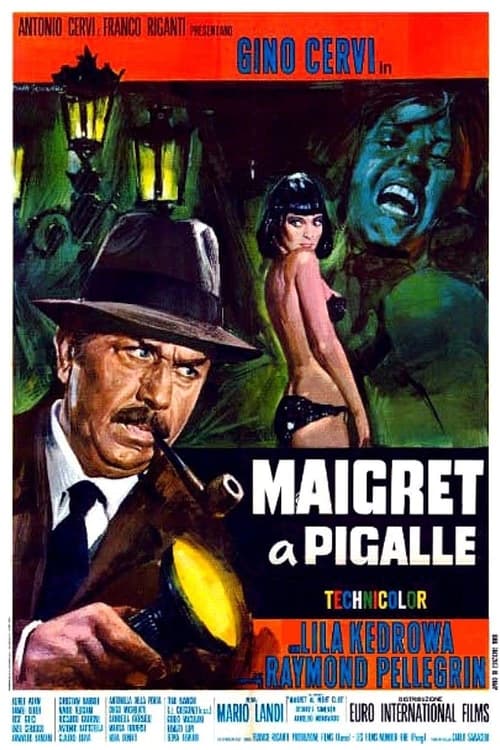
1966

1981
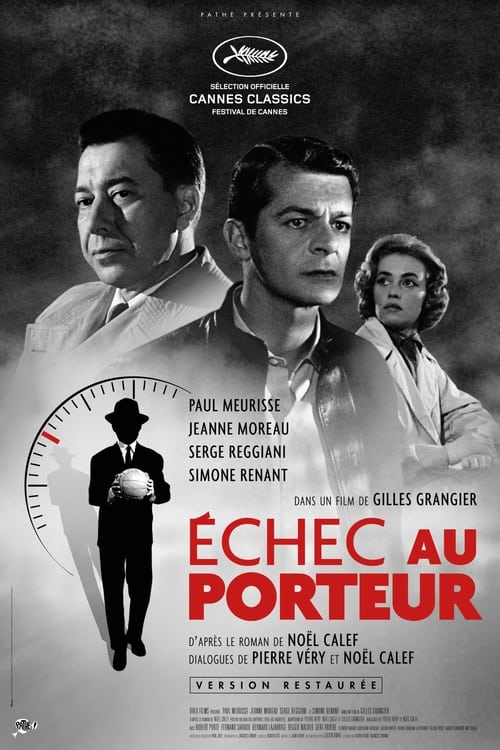
1958
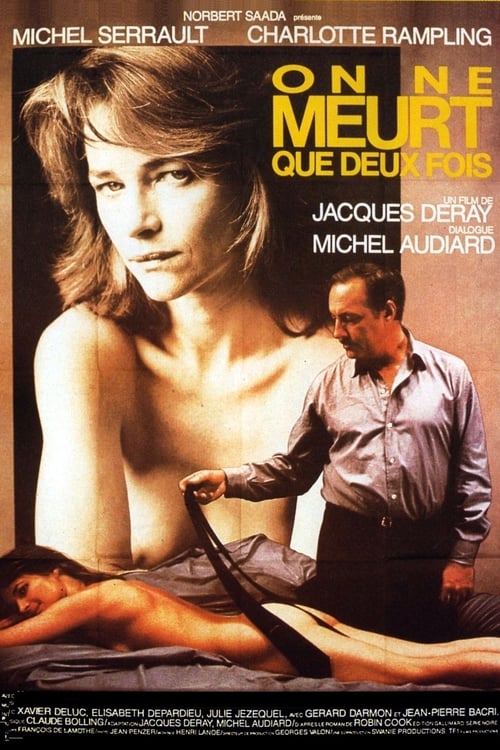
1985
1955
1953
No reviews yet. Be the first to share your thoughts on this movie!
Use the rating form above to leave a star rating and optional review.