The Burglar on the Roof
1898
No user ratings available yet
Representation score: 0.8 out of 10
Representation Score
Minimal
1903
Director
Frank S. Mottershaw
Runtime
4 minutes
Average Rating
No ratings yetNew Showbiz Analysis
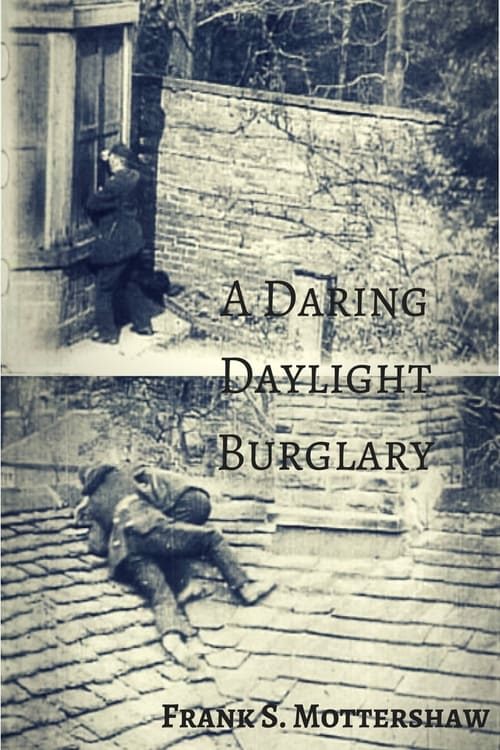
This early crime short prioritizes kinetic storytelling and physical action over social complexity. The narrative centers on the traditional conflict between a thief and law enforcement, using a male-dominated cast to drive the plot forward. Representation is limited, adhering to the homogeneous social structures typical of Edwardian-era filmmaking. The film reinforces established social roles and institutional authority without offering diverse perspectives.
Category Breakdown
The film does not include any LGBTQ+ characters or non-cisgender identities. It follows a traditional crime-and-pursuit storyline without addressing assumptions about everyone being straight or cisgender.
The story focuses on male characters, including the thief and a young boy, and lacks significant roles for women. It adheres to a male-centric action framework.
The film reflects the homogeneous society of 1903, showing no signs of a diverse cast. It relies on the standard Western crime clichés of the time.
The story emphasizes traditional Western roles, with police as agents of order. It portrays a standard pursuit of justice through state authorities.
An officer's injury serves only as a plot device to allow the thief to escape. The film does not explore the lived experience of disability.
Present on Screen
Limited or Absent
Official Synopsis
A thief jumps a fence and removes the shutter from a house. He enters, but a lad who's witnessed the crime runs off to hail the coppers. The first officer on the scene climbs the fence, enters the house, and is soon fighting with the thief on the roof. Falling from the roof, the officer is injured and requires an ambulance. Meanwhile, the thief flees, pursued by more men in blue.
1898
1971
1895
2001
1904
1901
1898
1913
No reviews yet. Be the first to share your thoughts on this movie!
Use the rating form above to leave a star rating and optional review.