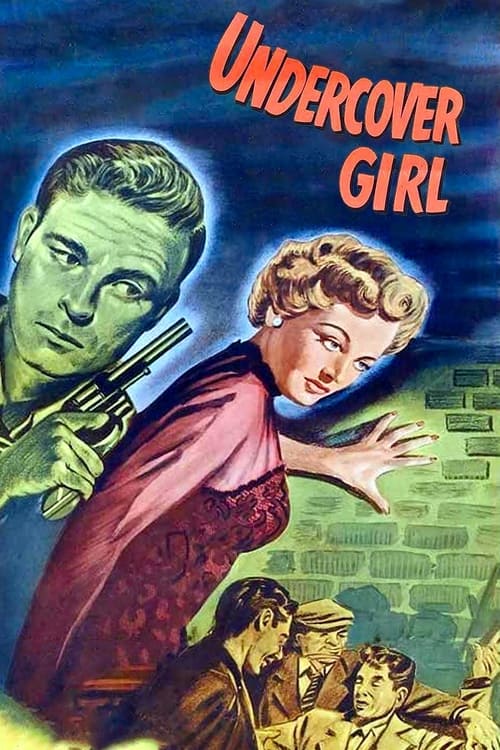
Undercover Girl
1950
No user ratings available yet
Diversity score: 2.8 out of 10

1957
NRDirector
Paul Landres
Runtime
64 minutes
Average Rating
No ratings yetSynopsis
A police lieutenant fights to prove a boy's innocence after he's accused of murder. The fourth of five Ben Schwab productions that starred Bill Elliott as a detective lieutenant in the L.A. Sheriff's department.
Overall Score
Limited
Category Breakdown
LGBTQ+ Representation
The film adheres to the strict heteronormative standards of 1957. There are no depictions of non-cisnormative identities or same-sex intimacy.
Gender Representation
Narrative agency is centered on the male detective lieutenant. Female characters likely occupy traditional, secondary roles within domestic or social spheres.
Racial & Ethnic Diversity
The production reflects the demographic homogeneity of mid-century Hollywood. It follows traditional Anglo-centric casting norms without evidence of diverse representation.
Religious & Cultural Diversity
The story reinforces the legitimacy of Western legal structures and civic duty. It focuses on institutional competency rather than critiquing systemic power.
Disability Representation
There is no evidence that disability or neurodivergence serves as a central narrative element or character trait.
Strengths
Areas for Improvement
AI Analysis
Chain of Evidence is a conventional mid-century procedural that prioritizes institutional stability. The narrative follows a standard crime drama structure, focusing on a law enforcement protagonist navigating a legal mystery. The film operates within the established social and racial hierarchies of the 1950s. It lacks intentional subversion of contemporary progressive values, instead upholding traditional archetypes and social mores. While the plot introduces a moral dimension through a child's innocence, the work remains a product of its era's mainstream, homogeneous media landscape.
1950
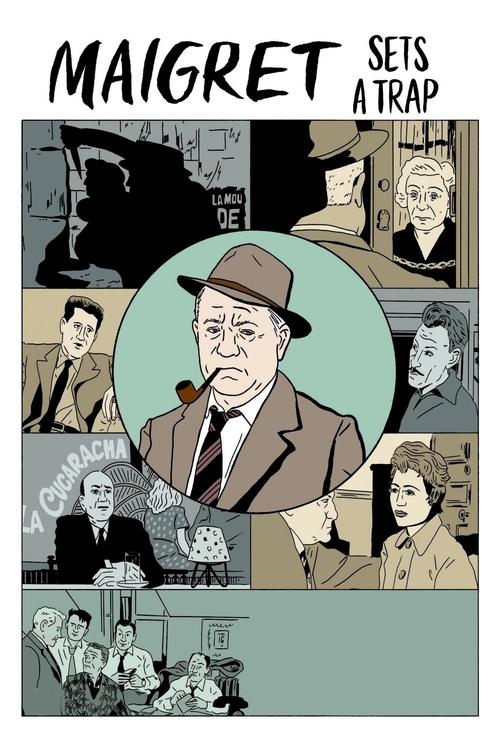
1958
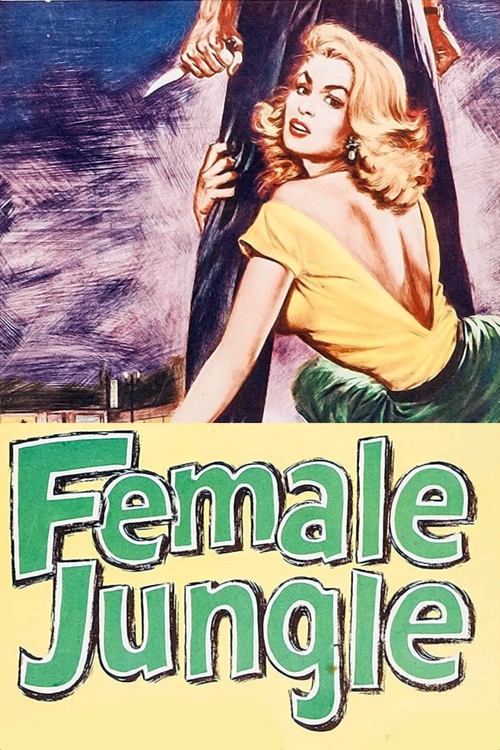
1956

1963
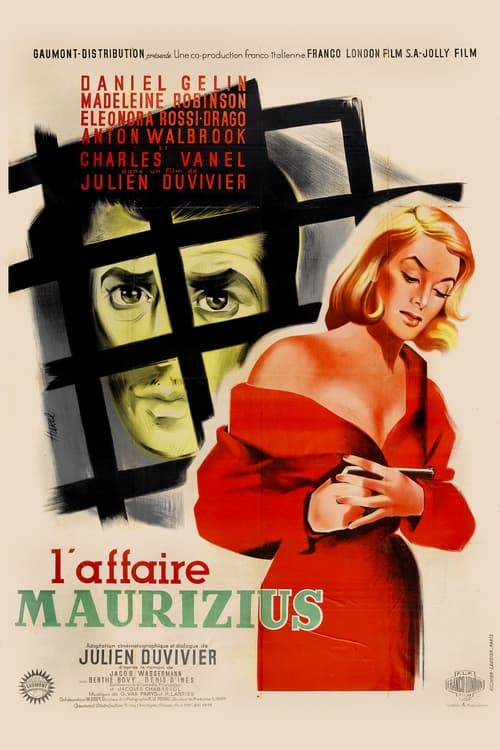
1954

1955
1951
1949
1989
1949
1987

1989
No reviews yet. Be the first to share your thoughts on this movie!
Use the rating form above to leave a star rating and optional review.