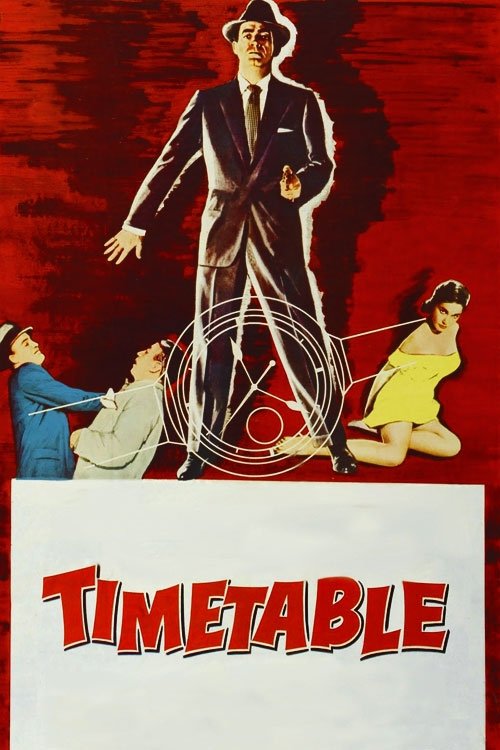
Time Table
1956
No user ratings available yet
Diversity score: 2.3 out of 10
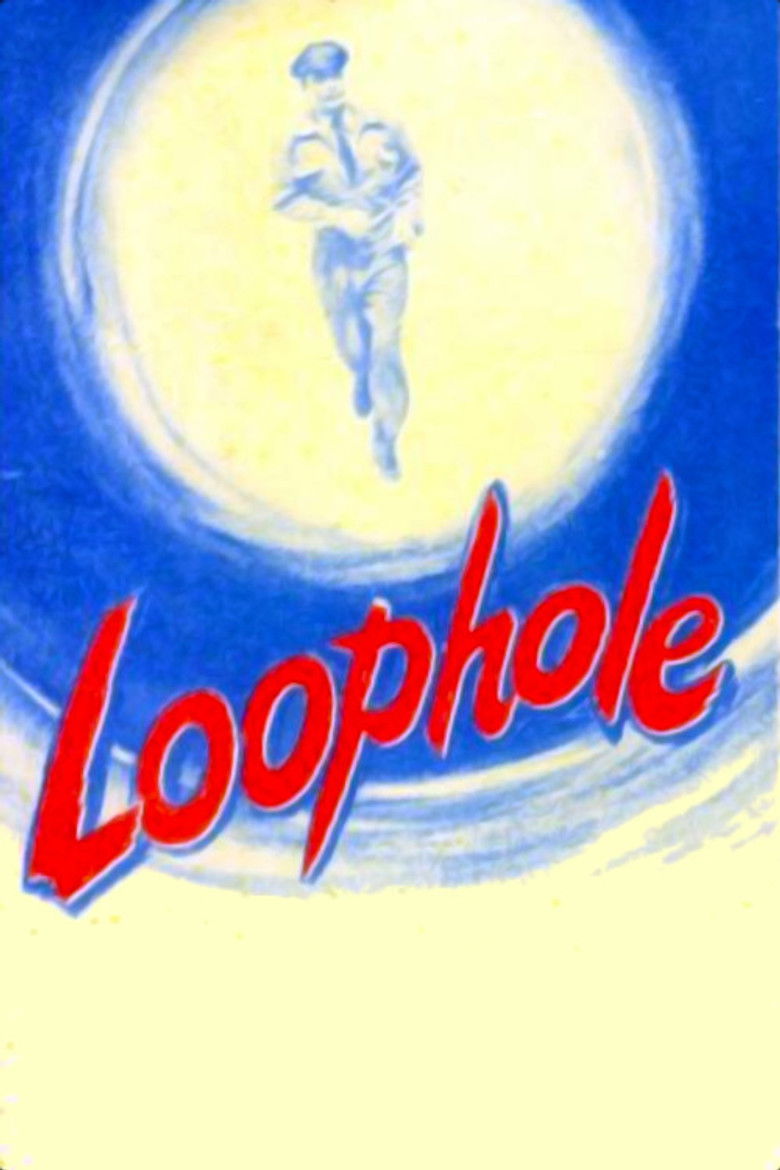
1954
NRDirector
Harold D. Schuster
Runtime
80 minutes
Average Rating
No ratings yetSynopsis
Bank teller Mike Donovan (Barry Sullivan) takes the first step on the road to Perdition when he fails to report a $49,000 shortage. Accused of theft, Donovan is fired from his job. He is then prevented from finding other employment by Javert-like insurance investigator Gus Slavin (Charles McGraw). Despite many setbacks, Donovan attempts to clear his muddied name.
Overall Score
Limited
Category Breakdown
LGBTQ+ Representation
The film lacks LGBTQ+ characters or narratives. It follows a conventional mid-century crime structure centered on heteronormative social dynamics.
Gender Representation
The plot focuses on the professional and legal struggles of a male protagonist. The narrative is driven by masculine-centered conflict between men.
Racial & Ethnic Diversity
The story depicts a traditional mid-century American landscape. There is no evidence of non-white or non-Anglo-Saxon majority casting.
Religious & Cultural Diversity
The narrative aligns with traditional Western values regarding individual responsibility and legal integrity. It operates within established social and economic institutions.
Disability Representation
There is no evidence of characters with visible or invisible disabilities in the film.
Strengths
Areas for Improvement
AI Analysis
Loophole is a mid-century crime procedural that adheres strictly to the traditional storytelling tropes of the 1950s studio system. The narrative is built around a male-driven struggle for professional redemption and legal vindication. The film lacks intersectional complexity, focusing instead on individualist themes of reputation and institutional trust. It reinforces the social hierarchies and conventional norms of its era rather than challenging them. Because the story centers on a male protagonist and a male antagonist within a standard American social framework, it offers very little in the way of diverse perspectives or representation.
1956
1940

1951
1949
1939
1942
1955
1952
1950
1947
1953
1947
No reviews yet. Be the first to share your thoughts on this movie!
Use the rating form above to leave a star rating and optional review.