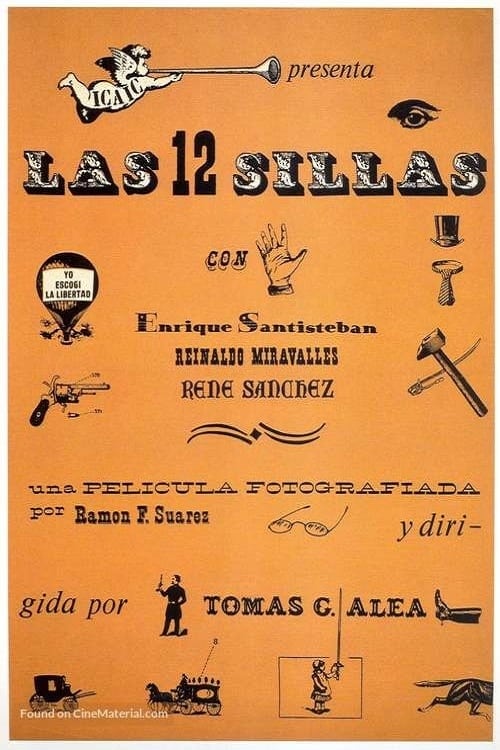
The Twelve Chairs
1962
No user ratings available yet
Diversity score: 4.6 out of 10
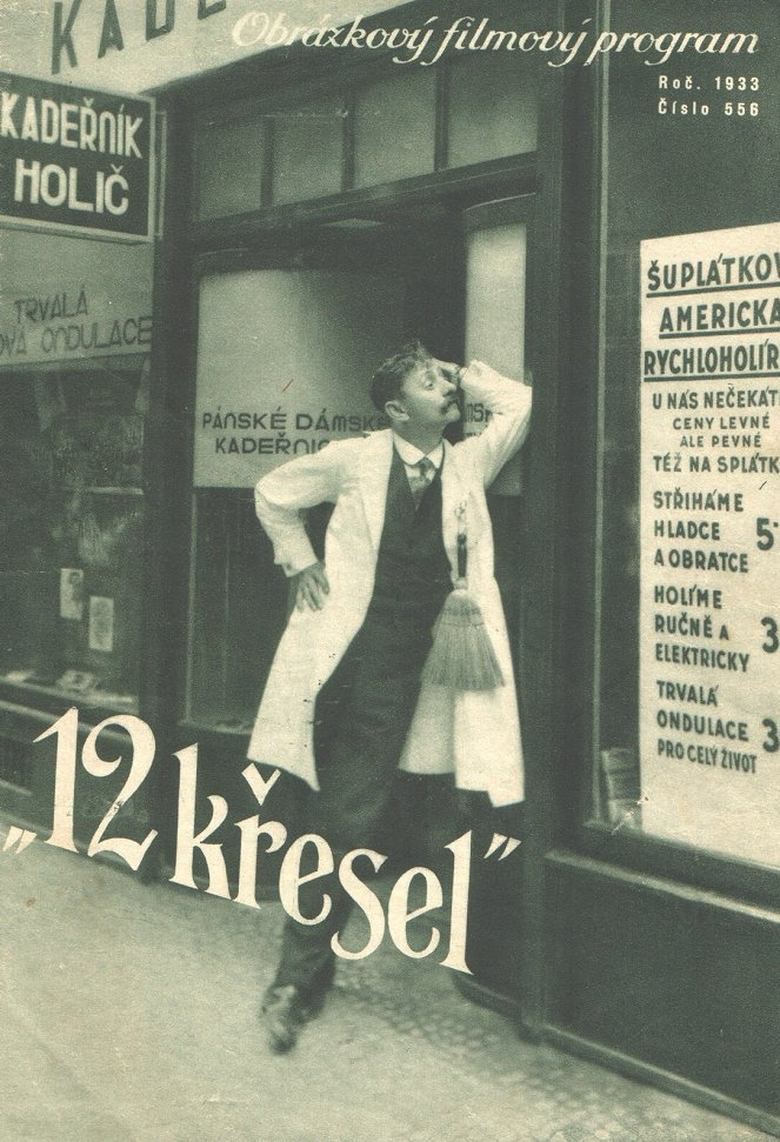
1933
Director
Martin Frič, Michał Waszyński
Runtime
63 minutes
Average Rating
No ratings yetSynopsis
The first movie adaptation of the Russian novel "The Twelve Chairs" by Ilya Ilf and Yevgeniy Petrov. The basic idea from this movie, in which a barber and an antique salesman were searching for money hidden in one of of twelve chairs, was later reused for other official and unofficial adaptions of the book
Overall Score
Limited
Category Breakdown
LGBTQ+ Representation
The film focuses on a male-driven quest between two central partners. It adheres to traditional gendered social structures and lacks non-cisnormative identities.
Gender Representation
Agency is heavily concentrated in the male protagonists. Female characters remain peripheral figures, often defined by their relationships to the men rather than driving the plot.
Racial & Ethnic Diversity
Casting reflects the ethnic and social makeup of the early Soviet era. The film depicts a diverse social landscape through the lens of class transition.
Religious & Cultural Diversity
The narrative provides a sharp satire of private wealth and bourgeois lifestyles. It uses anti-capitalist critiques to deconstruct traditional notions of property and status.
Disability Representation
Characters with visible or invisible disabilities lack narrative agency. Physical or mental traits are not utilized as central drivers within this comedic caper.
Strengths
Areas for Improvement
AI Analysis
The film operates as a socio-political satire centered on class and authority rather than modern intersectional representation. Its strength lies in its cultural critique of capitalist structures and the subversion of social hierarchies. However, the narrative is limited by its era, showing very little visibility for women or LGBTQ+ identities. The focus remains almost exclusively on the interpersonal dynamics and greed of the male leads. Ultimately, the work succeeds in deconstructing status and wealth through its protagonists, even while failing to meet contemporary standards for gender and disability representation.
1962

1966
1968
1965
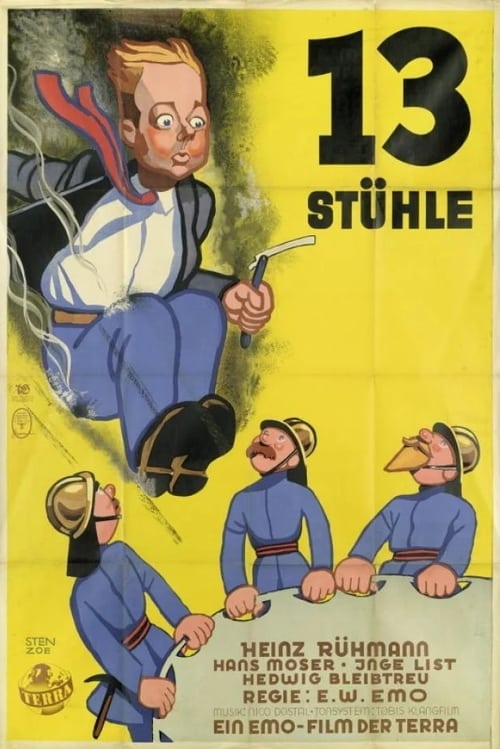
1938

2002
2015
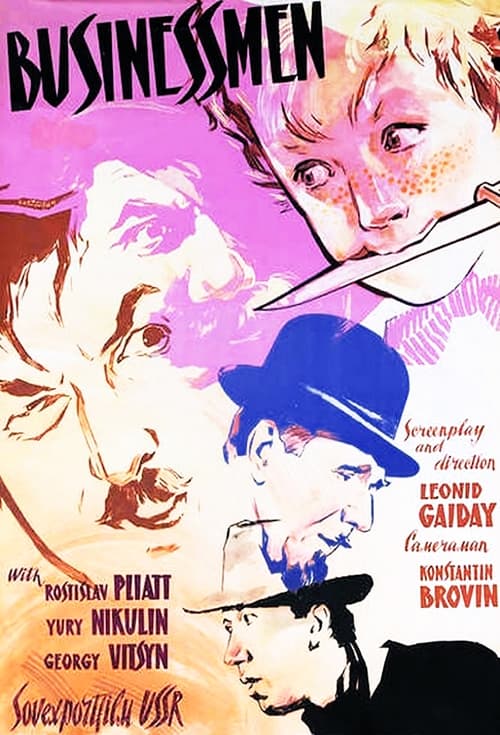
1963
1969
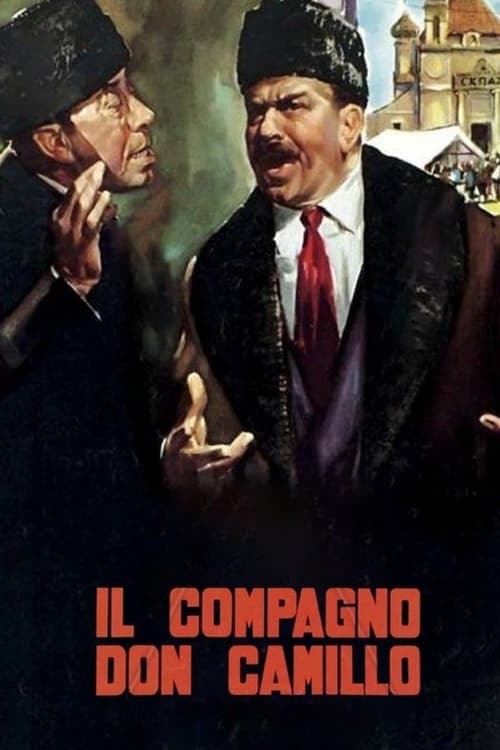
1965

1950
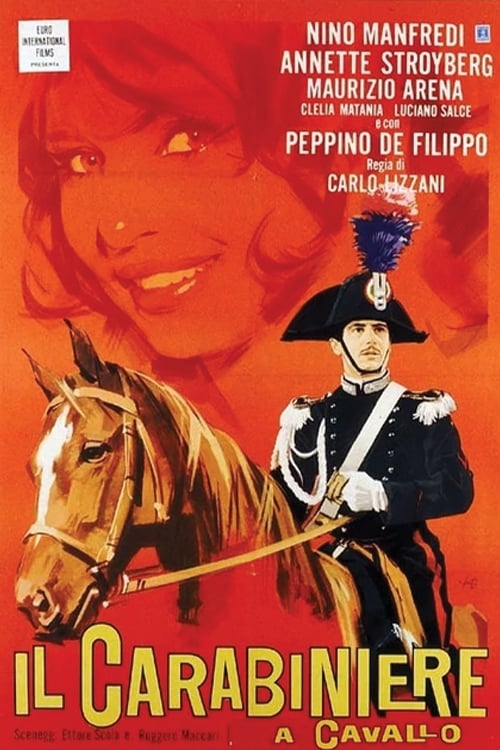
1961
No reviews yet. Be the first to share your thoughts on this movie!
Use the rating form above to leave a star rating and optional review.