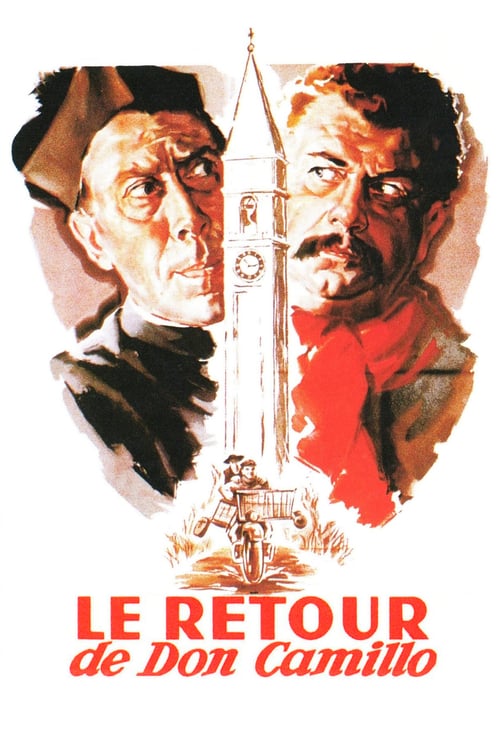
The Return of Don Camillo
1953
No user ratings available yet
Representation score: 1.5 out of 10
Representation Score
Limited
1965
Director
Luigi Comencini
Runtime
109 minutes
Average Rating
No ratings yetNew Showbiz Analysis
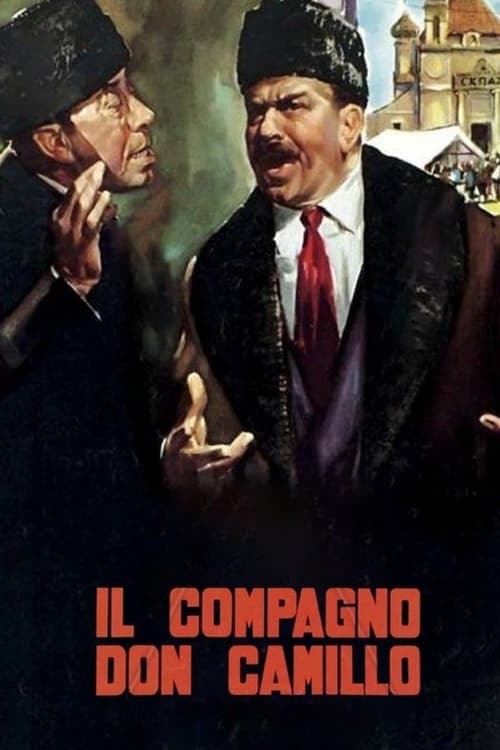
Don Camillo in Moscow is a traditionally structured film that prioritizes ideological conflict over social diversity. The narrative is driven by the masculine conflict between a priest and a political leader, leaving little room for gender or racial variety. However, the film excels in cultural and intellectual representation. By moving the setting from rural Italy to the Soviet Union, it explores the tensions between Western values and collectivist ideologies, challenging the infallibility of both Church and State. Ultimately, the work trades demographic breadth for thematic depth, using its characters to deconstruct the rigid institutional hierarchies of the 1960s.
Category Breakdown
The film follows a strictly straight-centered structure focused on masculine rivalry. There are no depictions of non-binary gender identities or same-sex relationships.
The narrative focuses almost entirely on male protagonists. Female characters are confined to domestic or supportive roles, lacking active involvement in the central ideological struggle.
The cast remains largely uniform, reflecting a Eurocentric Cold War context. Although the setting expands to the Soviet Union, the film lacks significant racial diversity.
The story challenges Western binaries by placing a Catholic priest in dialogue with a Communist state. It critiques religious and political institutions through a lens of moral relativism.
There are no prominent depictions of visible or invisible disabilities that serve as significant character traits or drive the narrative forward.
Present on Screen
Limited or Absent
Official Synopsis
Priest Don Camillo blackmails his friendly rival Peppone into letting him join a Communist delegation visiting the Soviet Union.
1953
1952
1961
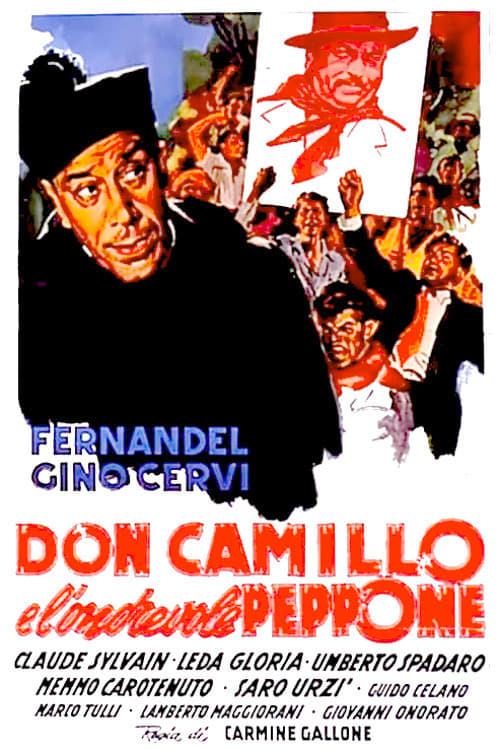
1955
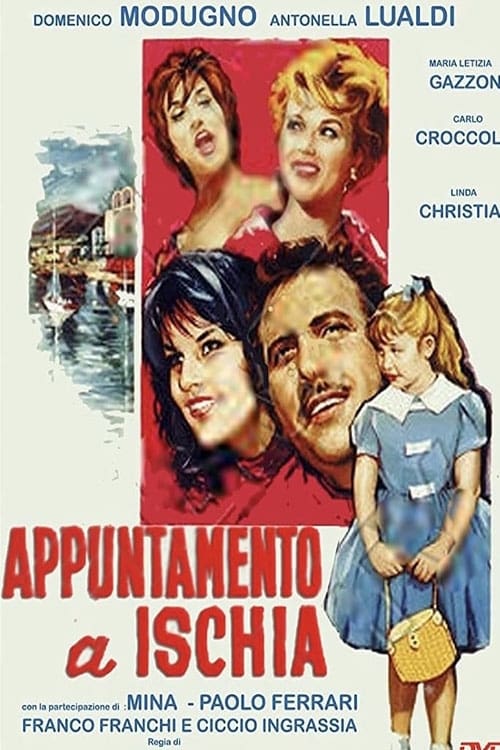
1960
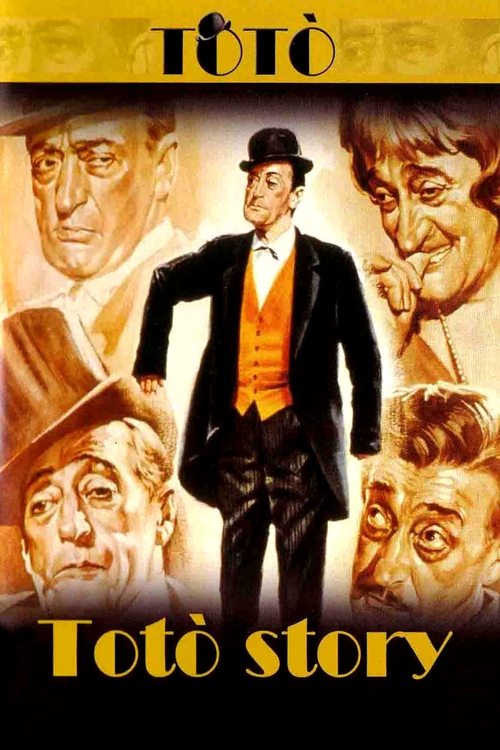
1968
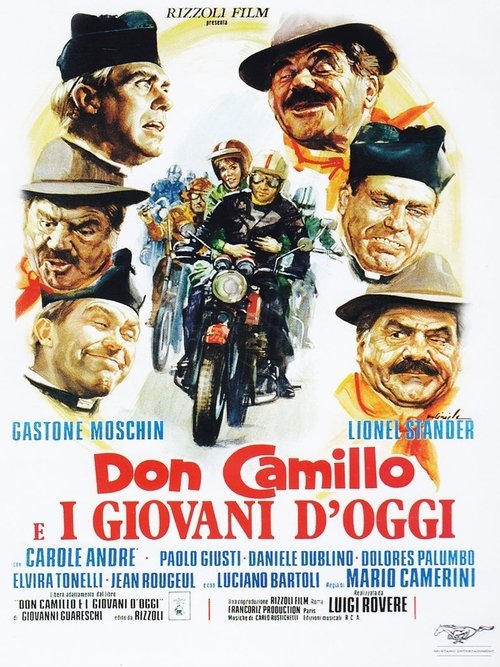
1972
1964
No reviews yet. Be the first to share your thoughts on this movie!
Use the rating form above to leave a star rating and optional review.