
The Twelve Chairs
1933
No user ratings available yet
Representation score: 5.0 out of 10

Representation Score
Fair
1962
Director
Tomás Gutiérrez Alea
Runtime
94 minutes
Average Rating
No ratings yetNew Showbiz Analysis
The film 'The Twelve Chairs' serves as a sharp satirical critique of bourgeois materialism and individualist greed. Its strength lies in its cultural perspective, using a Cuban lens to deconstruct capitalist ideals through a comedic, collective framework. However, the film is limited by traditional character dynamics, focusing heavily on male competition and leaving little room for diverse gendered roles or LGBTQ+ representation. Ultimately, it offers a strong critique of societal structures while remaining narrow in its depiction of individual identities and social demographics.
Category Breakdown
The film does not include any LGBTQ+ characters or explore non-straight relationships. The story revolves around the interactions and conflicts between male characters.
The story is driven by male characters, focusing on the journey of two male leads. A female character triggers the plot but remains passive and inactive.
The film features a primarily Latino cast, reflecting its Cuban roots. It uses a stylized Soviet context to provide a non-Anglo-Saxon perspective on classic literary themes.
The film effectively critiques Western economic structures using satire. It portrays the pursuit of personal wealth as absurd and futile within a collective society.
The film does not focus on disability or neurodivergent identities. Characters navigate the revolutionary setting without these identities being central themes.
Present on Screen
Limited or Absent
Official Synopsis
When her country is taken over by socialist revolutionaries, a wealthy woman can't bear to give up all of her wealth and possessions to the new government, so she hides all of her treasures in the 12 chairs of a dining-room set. After her death her nephew finds out what she had done and, since the chairs had been "nationalized" and are now in the possession of a dozen different people, he sets out to track them down and get the treasures he believes rightfully belong to him.
1933
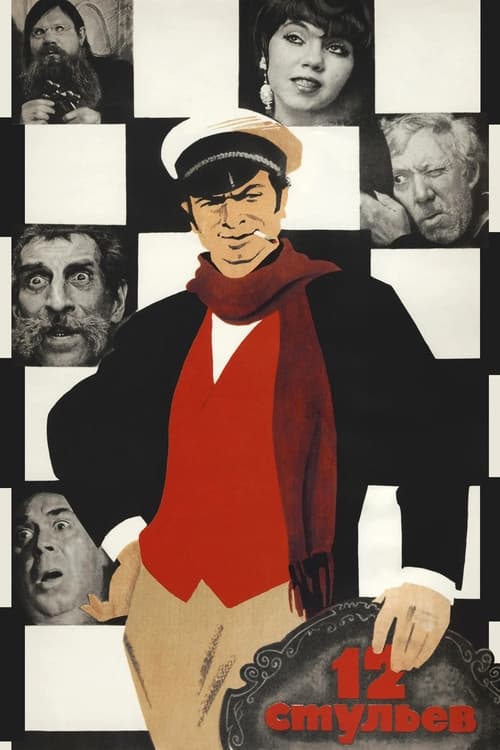
1971

2004
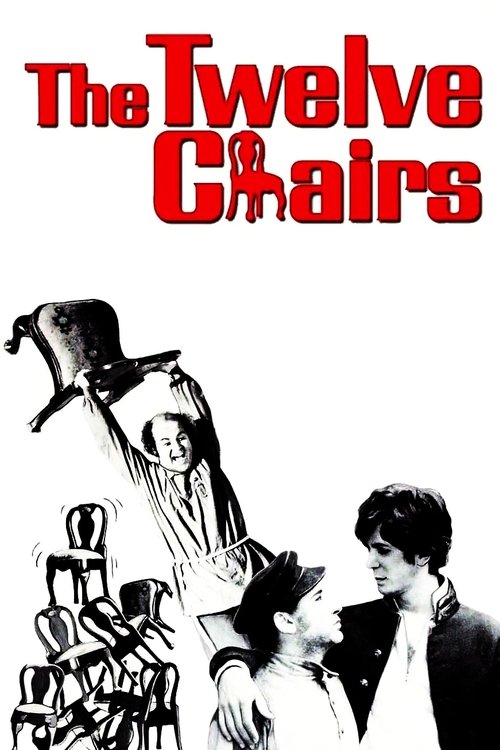
1970

1971
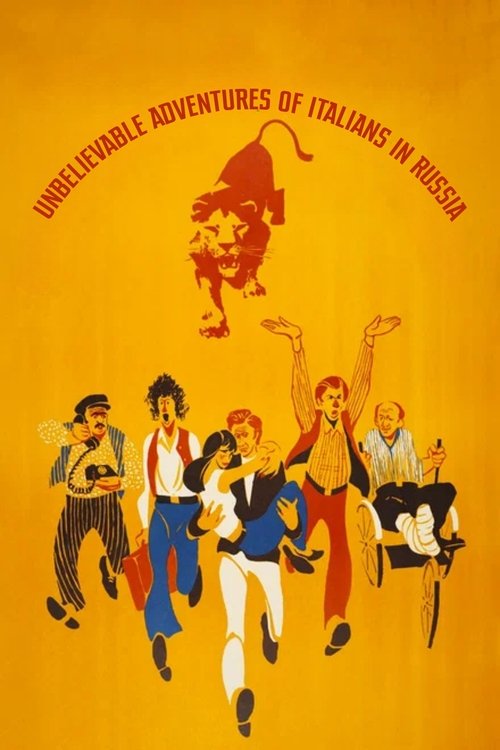
1974

1943

1949
No reviews yet. Be the first to share your thoughts on this movie!
Use the rating form above to leave a star rating and optional review.