
12 Chairs
2016
No user ratings available yet
Representation score: 0.9 out of 10
Representation Score
Limited
2015
UnratedDirector
Corneliu Porumboiu
Runtime
89 minutes
Average Rating
No ratings yetNew Showbiz Analysis
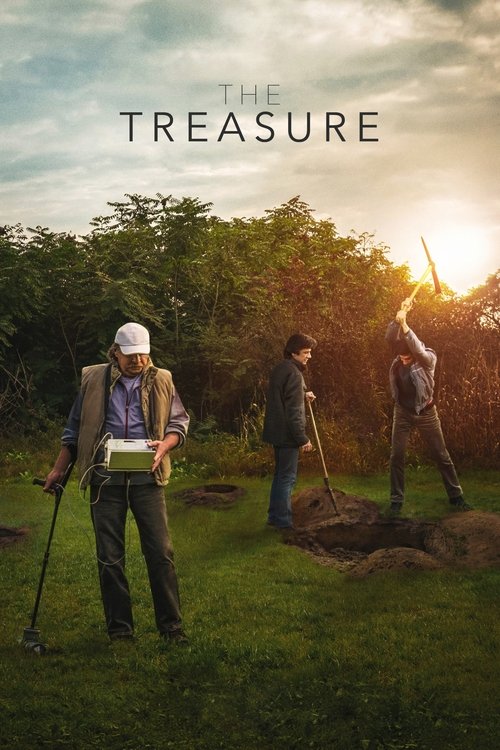
The Treasure is a work of political satire that prioritizes a critique of systemic issues over demographic representation. It focuses on the interplay between personal morality and institutional corruption within a post-communist context. While the film lacks traditional identity-based diversity, it offers a sophisticated cultural analysis. It challenges institutional authority by presenting deception as a survival mechanism within a flawed system. Ultimately, the narrative structure emphasizes a critique of bureaucratic dysfunction rather than exploring a wide range of social identities.
Category Breakdown
There are no LGBTQ+ characters or narratives in the film. The social environment centers on traditional domestic and political structures without addressing queer themes.
The story delves into domestic conflict within a marriage strained by secrets. While it highlights marital tension, it remains largely tied to conventional gender roles.
As a Romanian production, the cast is uniform and reflects its specific geographic setting. There is no indication of intentional racial diversity.
The film stands out for its sophisticated critique of traditional institutions and political power. It presents a nuanced look at state systems through a lens of systemic absurdity.
Disabilities, both visible and invisible, are not portrayed as central to the characters. Disability is not used as a plot device or for character development.
Present on Screen
Limited or Absent
Official Synopsis
Costi is a family man whose cash-strapped neighbor makes him an intriguing proposition: help him find the fortune reportedly buried somewhere on the grounds of his family’s country home in Romania and split the profits.
2016

1974

2014
1974

2019

2015
1993

2017
No reviews yet. Be the first to share your thoughts on this movie!
Use the rating form above to leave a star rating and optional review.