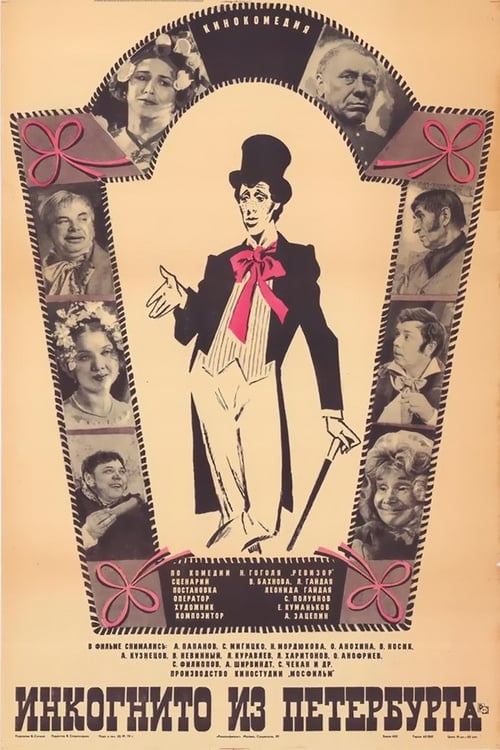
Incognito from St.Petersburg
1978
No user ratings available yet
Representation score: 4.9 out of 10

Representation Score
Limited
1950
Director
Claude Barma
Runtime
50 minutes
Average Rating
No ratings yetNew Showbiz Analysis
The Gamblers is a classical period piece rooted in mid-20th-century European traditions. It prioritizes literary satire over modern characters who reflect more than one aspect of diversity, focusing on the vices of the gambling class. While the film offers a critique of social behavior and systemic dysfunction, it lacks the intentionality needed to disrupt traditional hierarchies. The casting and character archetypes reflect the homogeneous cultural landscape of 1950s France. Ultimately, the work functions as a formalist adaptation of Russian literature rather than a vehicle for progressive social change.
Category Breakdown
The film does not explicitly include LGBTQ+ identities or narratives. It operates within the social norms of 1950s French cinema, offering no clear critique of the assumption that everyone is straight or cisgender.
The narrative likely centers on social status and obsession. Female characters navigate restrictive structures but often fall into traditional archetypes common to the era.
The production reflects the Eurocentric casting norms of post-war Europe. There is no evidence of significant non-white representation or race-bent casting in the main storyline.
The film uses Gogol’s satire to critique social corruption and human dysfunction. It highlights the instability of class structures by disrupting portrayals of social stability.
There is no documented evidence regarding the portrayal of physical or neurodivergent disabilities in this adaptation.
Present on Screen
Limited or Absent
Official Synopsis
Adaptation of classical Russian Nikolai Gogol's comedy.
1978
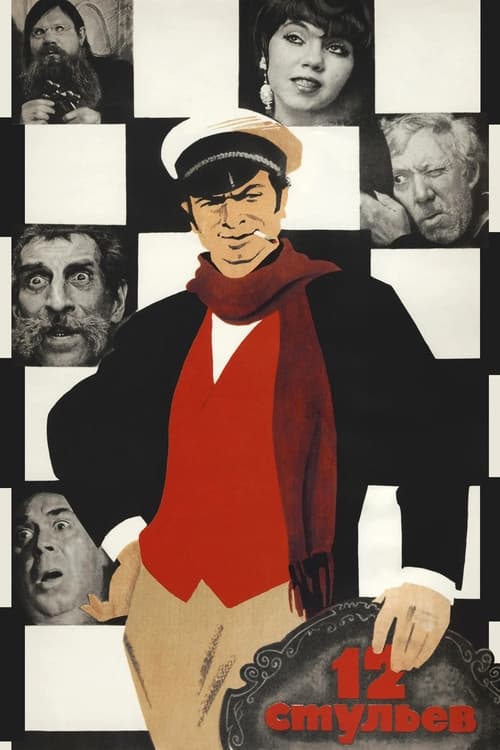
1971
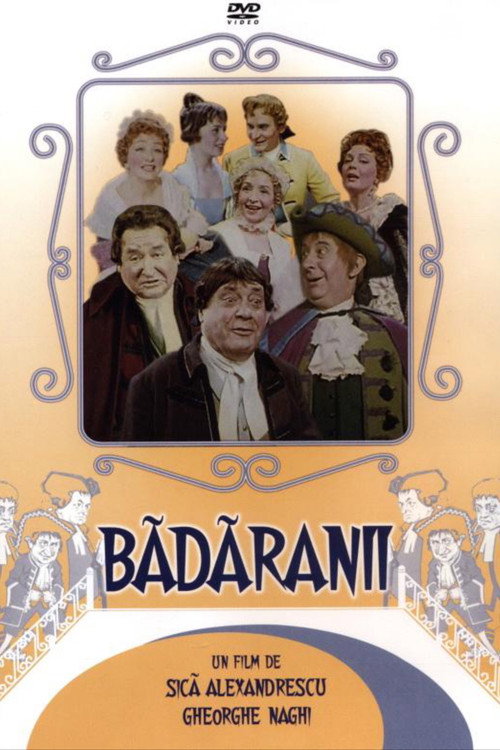
1960

1965
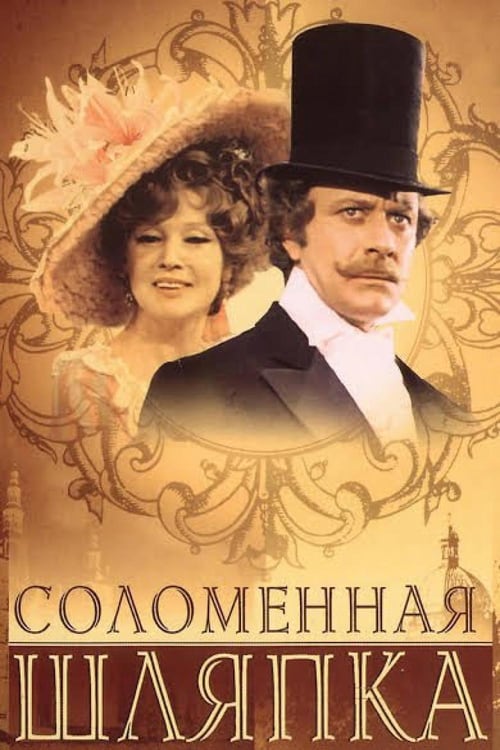
1974

1971

1933
1941
No reviews yet. Be the first to share your thoughts on this movie!
Use the rating form above to leave a star rating and optional review.