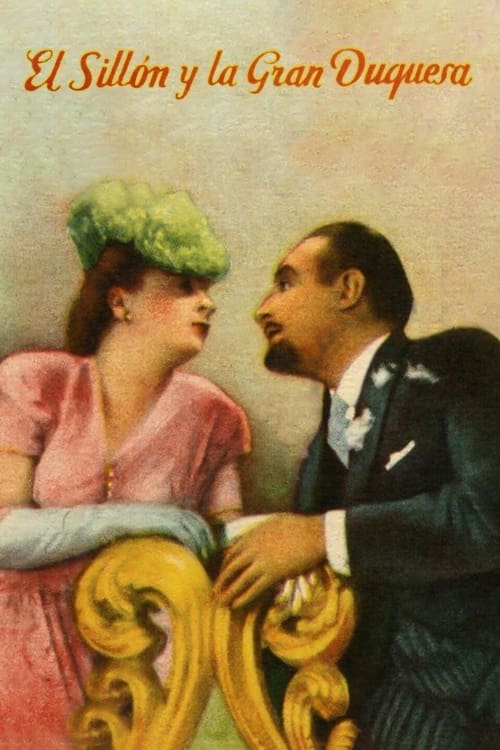
The Armchair and the Grand Duchess
1943
No user ratings available yet
Representation score: 1.4 out of 10
Representation Score
Minimal
1938
Director
E.W. Emo
Runtime
92 minutes
Average Rating
No ratings yetNew Showbiz Analysis
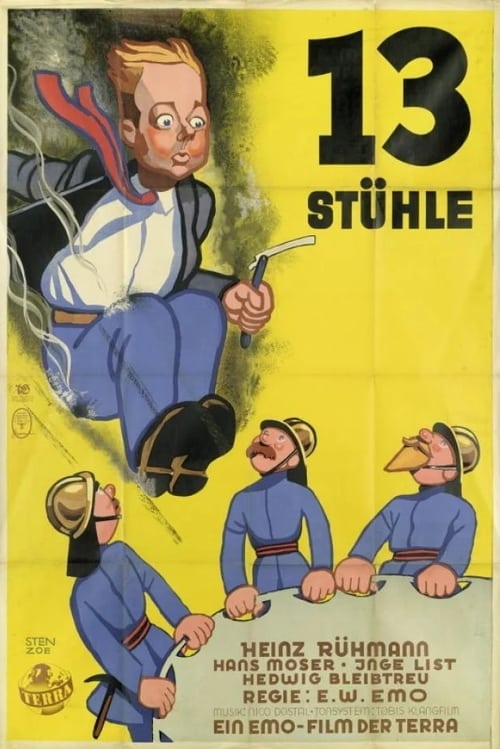
13 Chairs is a period-specific comedy that functions as a standard genre piece of the late 1930s. The narrative centers on a scavenger hunt for hidden wealth, driven by socioeconomic desperation rather than social disruption. The film lacks complexity, relying instead on traditional comedic clichés and conventional social roles. While characters exhibit significant economic influence, this influence does not challenge established power dynamics. Ultimately, the production reflects the homogeneous casting and narrow focus on straight relationships of its historical moment, offering little in the way of progressive narrative deconstruction.
Category Breakdown
The film follows the straight-centered social structures typical of 1938 cinema. There is no indication of non-binary gender identities or same-sex relationships.
Female characters, such as the wealthy aunt, have economic influence but mainly act as catalysts for the male protagonists. The film relies on traditional comedic archetypes without challenging patriarchal norms.
The casting reflects the homogeneous standards of its era. There is no evidence of racial blending or the use of non-human symbols for ethnic diversity.
The story explores class dynamics through the pursuit of wealth. However, it operates within conventional moral frameworks and lacks a definitive critique of Western or capitalist institutions.
There is no evidence of characters with physical or neurodivergent disabilities being integrated into the narrative. No such representation is used as a plot device.
Present on Screen
Limited or Absent
Official Synopsis
A classical art junk dealer and an almost bankrupt hairdresser who unexpectedly makes an inheritance go hunting behind thirteen chairs from which of a 100,000 DM contains which the rich aunt has hidden there.
1943
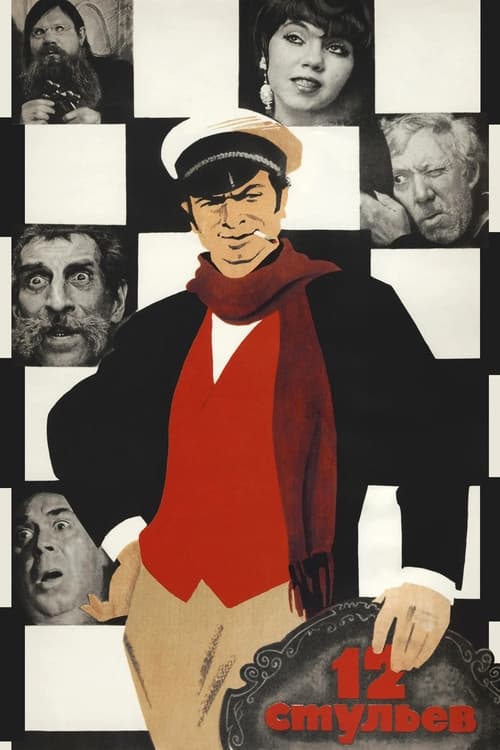
1971

1971
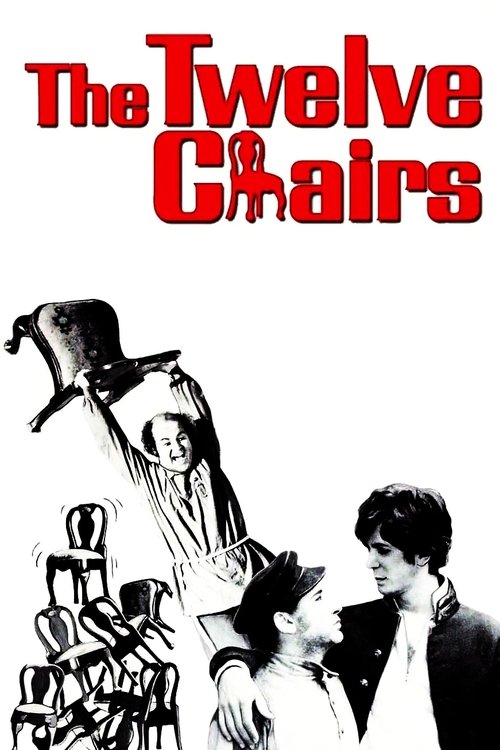
1970

1933

2000

1933
1945
No reviews yet. Be the first to share your thoughts on this movie!
Use the rating form above to leave a star rating and optional review.