
The Golden Calf
1968
No user ratings available yet
Diversity score: 4.8 out of 10
2002
Director
Ivan Dykhovichnyy
Runtime
115 minutes
Average Rating
No ratings yetSynopsis
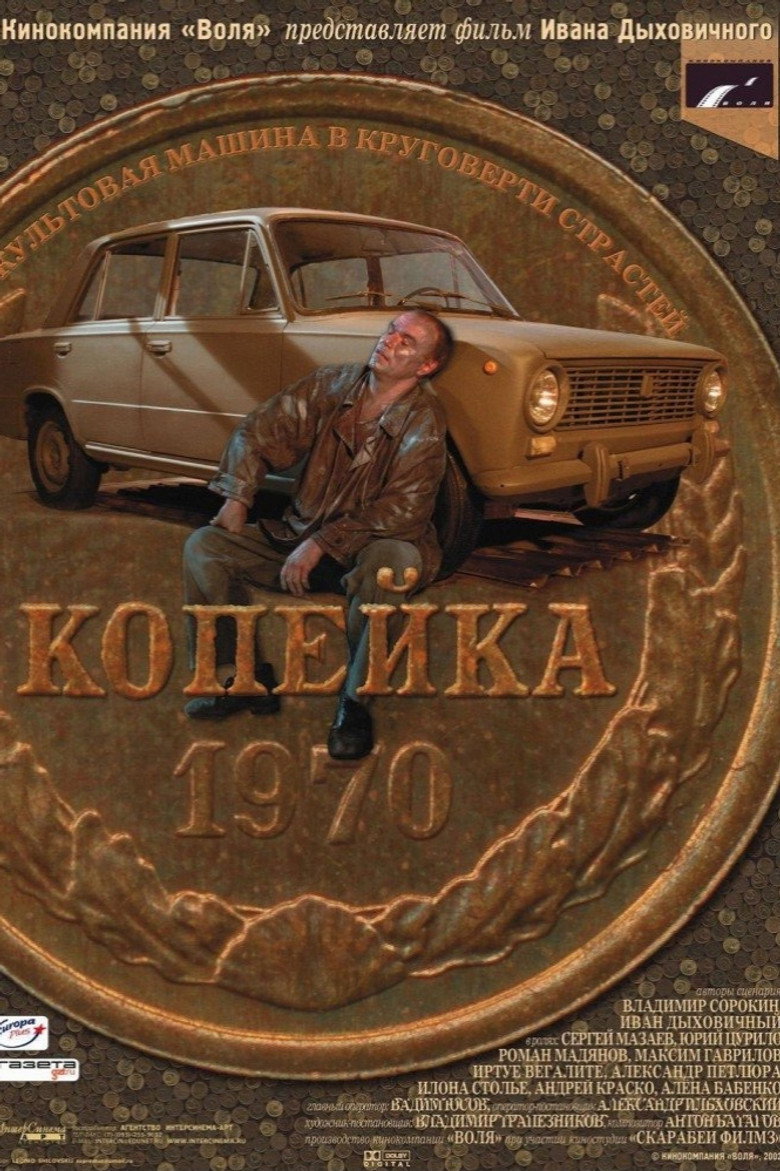
In this movie we follow fate not a person but car: first Soviet Lada. It starts with Brezhnev daughter and then gradually moves on parallel to last years of USSR into wild after-perestroika years with bandits and newly born oligarchs.
Overall Score
Limited
Category Breakdown
LGBTQ+ Representation
The film lacks any visible LGBTQ+ characters or narratives addressing non-cisnormative identities. It focuses on material history and socio-political shifts rather than individual identity politics.
Gender Representation
While the Brezhnev daughter is mentioned, the narrative centers on macro-economic forces. The focus on politics, bandits, and oligarchs suggests a male-dominated sphere with limited female agency.
Racial & Ethnic Diversity
The story serves as a localized study of the Soviet transition. It appears to prioritize class and political status within a largely homogeneous Slavic demographic context.
Religious & Cultural Diversity
The film offers a strong critique of institutional decay. It explores the transition from Soviet stability to the predatory capitalism of the post-perestroika era through a lens of systemic instability.
Disability Representation
There is no information regarding the depiction of physical or neurodivergent characters. The narrative scope remains centered on historical and political transitions.
Strengths
Areas for Improvement
AI Analysis
The Kopeck functions as a socio-historical satire rather than a character-driven exploration of identity. Its narrative engine is the lifecycle of a Lada automobile, which serves as a witness to the collapse of the USSR and the rise of the oligarch class. Because the film prioritizes systemic shifts—moving from Brezhnev-era stability to the chaos of organized crime—it lacks traditional intersectional depth. Representation is tied more to political and class status than to diverse personal identities. Ultimately, the film's value lies in its deconstruction of state institutions. It presents history as a chaotic, morally ambiguous evolution rather than a stable progression, favoring macro-level social commentary over individual representation.
1968

2012
1971
1980
2003
1984
1969

2020

1962

2015

2009

2008
No reviews yet. Be the first to share your thoughts on this movie!
Use the rating form above to leave a star rating and optional review.