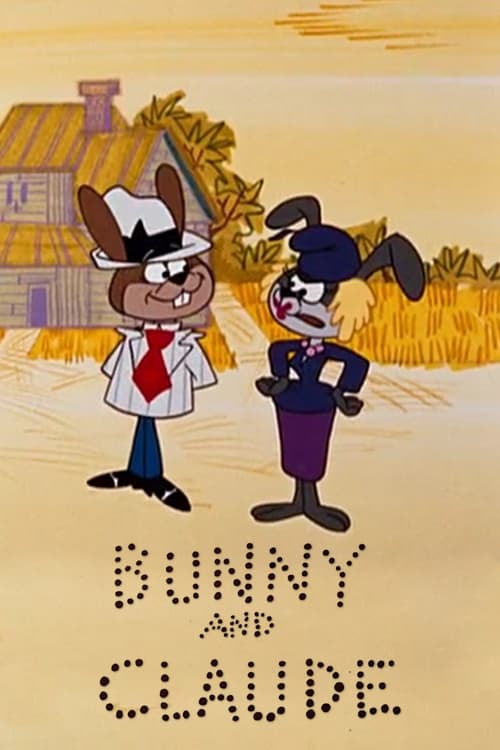
Bunny and Claude: We Rob Carrot Patches
1968
No user ratings available yet
Representation score: 0.4 out of 10
Representation Score
Minimal
1969
GDirector
Robert McKimson
Runtime
7 minutes
Average Rating
No ratings yetNew Showbiz Analysis
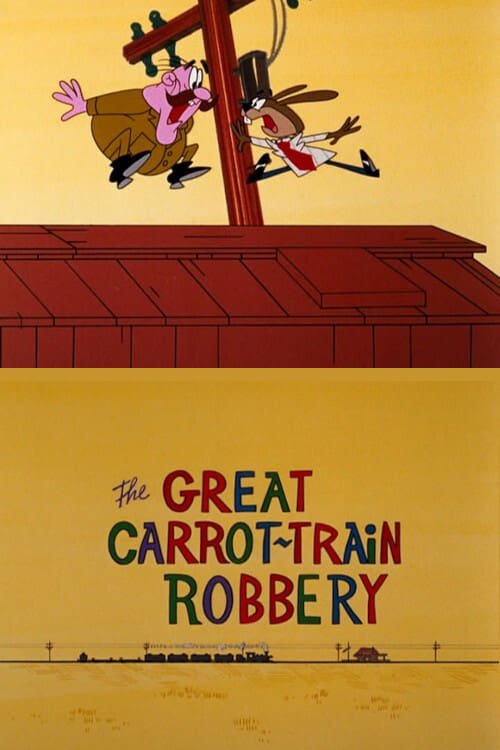
The Great Carrot-Train Robbery is a traditional animated Western that relies heavily on established genre clichés. The narrative follows a predictable conflict between outlaws and law enforcement, prioritizing slapstick comedy over social complexity. Because the film adheres to the standard studio hierarchies of 1969, it lacks depth in reflecting multiple aspects of identity. The characters function as archetypes within a rigid social framework, offering little disruption to traditional norms. Ultimately, the film serves as a period-typical genre piece. It focuses on maintaining the status quo through a standard law-and-order loop rather than exploring diverse perspectives or identities.
Category Breakdown
The film does not include any characters with non-straight identities. The story revolves around a traditional comedic duo without any queer narratives.
The story focuses on male-coded characters such as Bunny, Claude, and the Sheriff. There is no indication of women taking a leading role or challenging traditional gender roles.
The film reflects the homogeneous demographics typical of the 1969 Western genre. There are no diverse character ensembles or actors playing roles traditionally assigned to different races.
The narrative emphasizes the preservation of law and order within traditional Western institutions. It prioritizes upholding the status quo over cultural critique.
There is no evidence of characters with visible or invisible disabilities. The film does not explore neurodivergent or physical disability narratives.
Present on Screen
Limited or Absent
Official Synopsis
Bunny and Claude are still at their carrot caper. This time, they rob a train as the Sheriff is once again called out to stop them..
1968
1945
1926
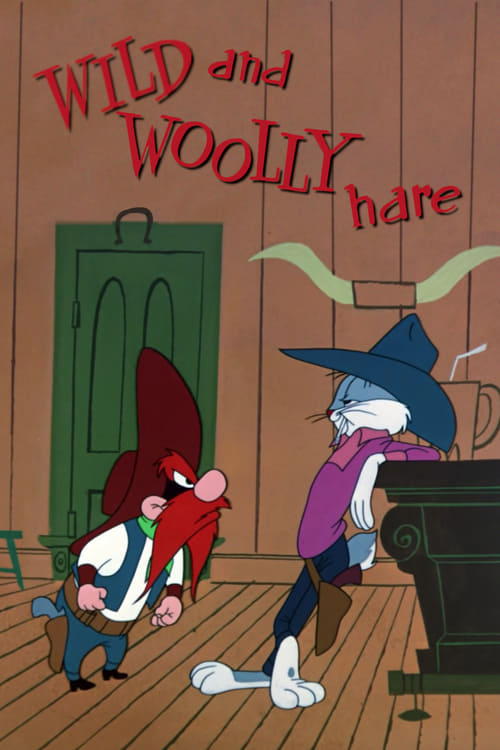
1959
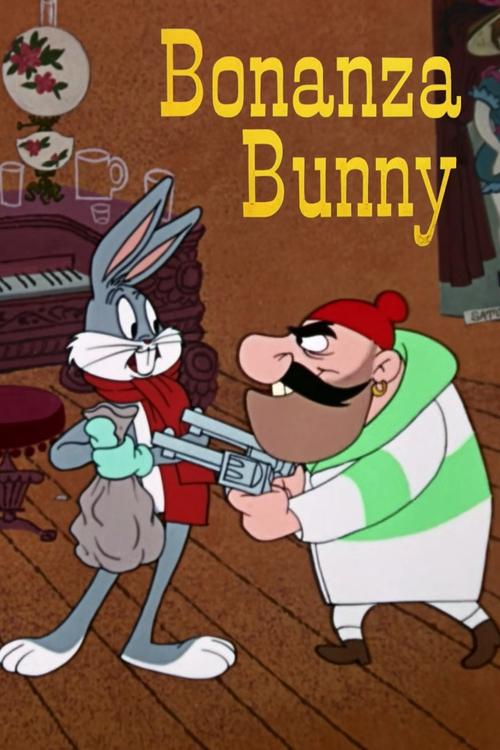
1959
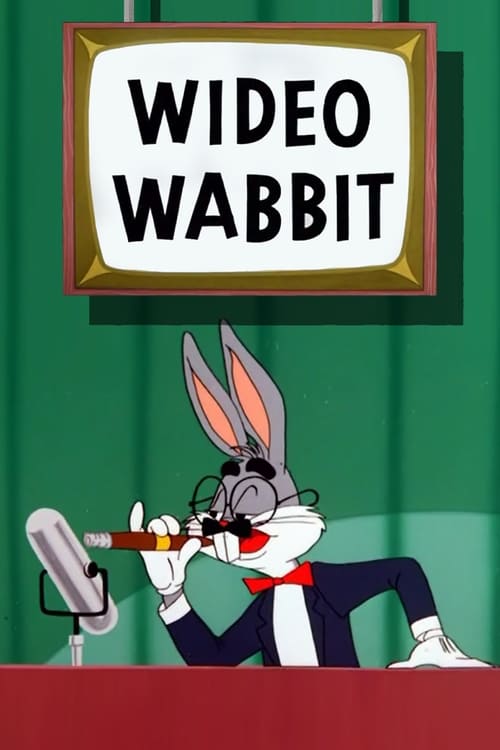
1956
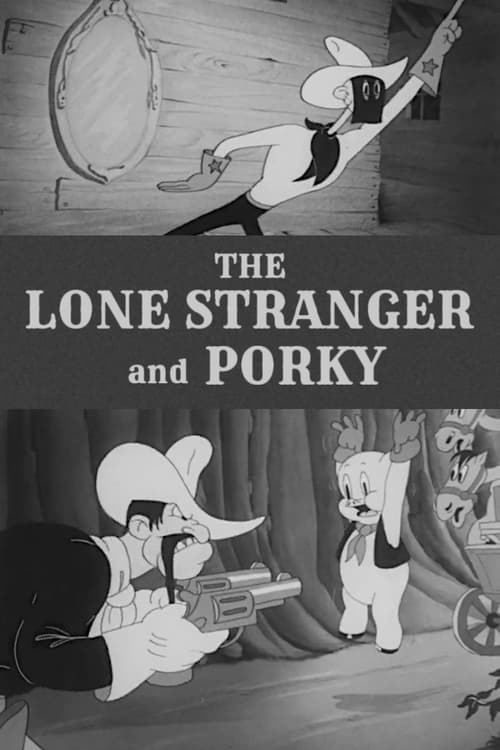
1939
1951
No reviews yet. Be the first to share your thoughts on this movie!
Use the rating form above to leave a star rating and optional review.