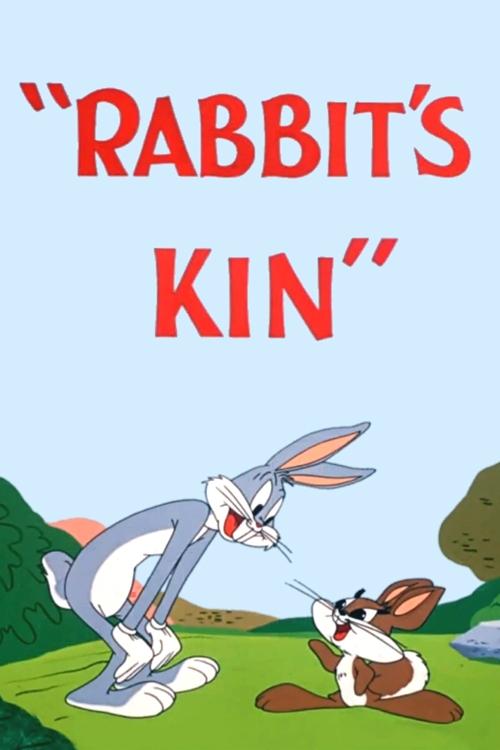
Rabbit's Kin
1952
No user ratings available yet
Diversity score: 1.5 out of 10

1957
NRDirector
Robert McKimson
Runtime
7 minutes
Average Rating
No ratings yetSynopsis
Hidden in a box of carrots, Bugs lands in Tasmania, where he matches wits with the Tasmanian Devil.
Overall Score
Minimal
Category Breakdown
LGBTQ+ Representation
The narrative focuses on a primal, territorial conflict between two animal characters. There are no depictions of non-cisnormative gender identities or same-sex intimacy.
Gender Representation
The film lacks female characters, centering entirely on a male-coded protagonist and antagonist. The conflict is defined by species and survival instincts rather than social roles.
Racial & Ethnic Diversity
Tasmania serves as a geographic backdrop for the journey. The film utilizes characters within traditional tropes of the outsider versus the local without exploring complex racial dynamics.
Religious & Cultural Diversity
The film adheres to traditional mid-century comedic structures. It lacks critiques of Western institutions or engagement with themes of moral relativism and social norms.
Disability Representation
There is no evidence of characters possessing visible or invisible disabilities. The slapstick relies on exaggerated cartoon physics rather than meaningful portrayals of impairment.
Strengths
Areas for Improvement
AI Analysis
Bedevilled Rabbit is a quintessential example of mid-century slapstick animation. It prioritizes high-energy physical comedy and the established rivalry between Bugs Bunny and the Tasmanian Devil over any form of social or identity-driven narrative. The film operates within a narrow framework of predator versus prey dynamics. Because the conflict is rooted in species-based survival and territoriality, it avoids engaging with complex social hierarchies or intersectional identities. Ultimately, the work functions as a kinetic comedy rather than a vehicle for systemic critique. It relies on traditional character archetypes that reflect the studio system's focus on broad, situational humor.
1952
1962
1957
1966
1952
1950
1979
1947
1980
1954
1950
1956
No reviews yet. Be the first to share your thoughts on this movie!
Use the rating form above to leave a star rating and optional review.