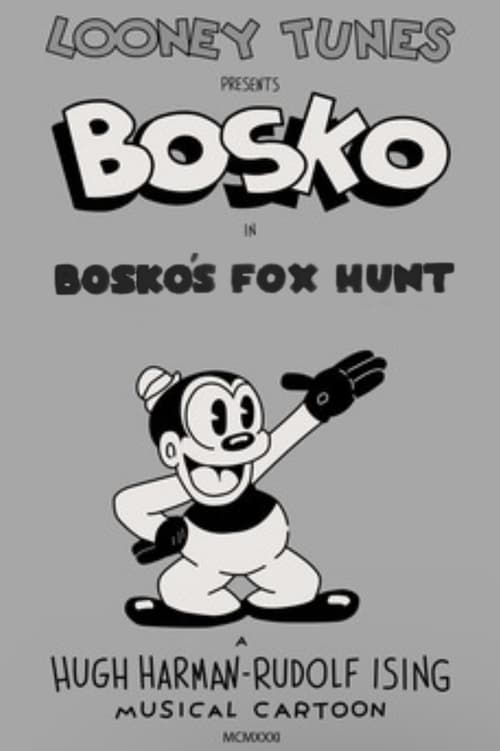
Bosko's Fox Hunt
1931
No user ratings available yet
Representation score: 0.7 out of 10
Representation Score
Minimal
1951
ApprovedDirector
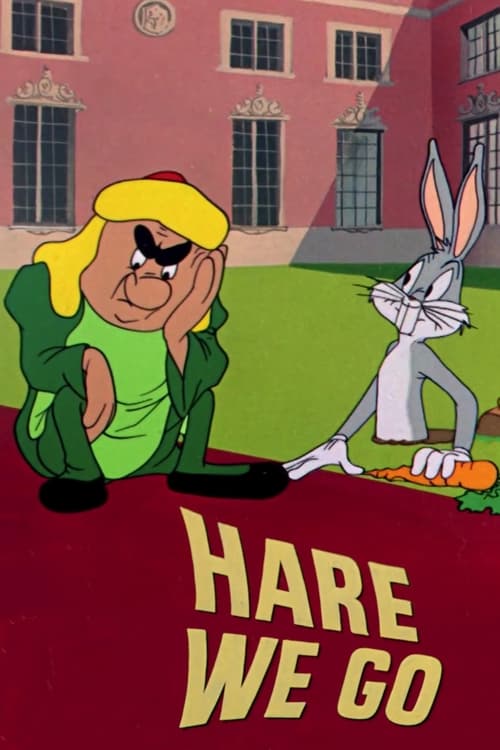
Robert McKimson
Runtime
7 minutes
Average Rating
No ratings yetNew Showbiz Analysis
Hare We Go is a quintessential product of mid-century animation, prioritizing immediate comedic impact through slapstick over thematic depth. The narrative structure revolves around traditional character archetypes that do not challenge the social status quo. Since the film operates within a standard diversionary framework, it lacks the intentionality needed to disrupt social hierarchies. The characters and settings reflect the homogeneous demographic standards of 1951, offering little in the way of progressive representation. Ultimately, the short serves as a baseline for the era's animation style, characterized by a lack of engagement with multiple aspects of diversity or social commentary.
Category Breakdown
The short focuses entirely on physical slapstick and repetitive character conflicts. It does not depict any non-cisgender identities or same-sex relationships.
The narrative has little control over what happens to them for female characters, focusing instead on a male-coded protagonist and a generic antagonist. It adheres to conventional 1950s comedic clichés without challenging gender roles.
The film features a homogeneous demographic typical of its era. It lacks intentional racial blending or meaningful engagement with multiple aspects of diversity.
The story functions as an apolitical diversionary piece. It relies on established comedic structures rather than engaging with anti-colonialist or anti-capitalist themes.
No neurodivergent or physical disability narratives are integrated into the character arcs. Characters are defined solely by exaggerated cartoon physics.
Present on Screen
Limited or Absent
Official Synopsis
In 1492, Bugs Bunny sails the ocean blue, as mascot for Christopher Columbus.
1931
1937
1932
1978
1933
1956
1954
1950
No reviews yet. Be the first to share your thoughts on this movie!
Use the rating form above to leave a star rating and optional review.