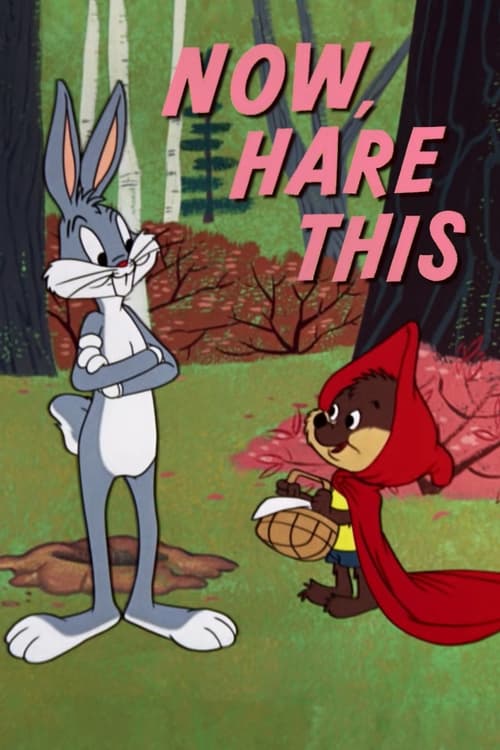
Now, Hare This
1958
No user ratings available yet
Representation score: 1.0 out of 10
Representation Score
Minimal
1957
Director
Robert McKimson
Runtime
7 minutes
Average Rating
No ratings yetNew Showbiz Analysis
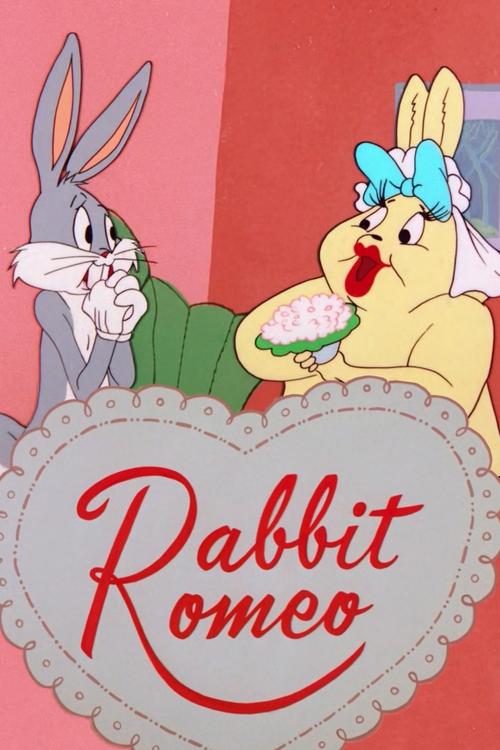
Rabbit Romeo is a product of its time, relying heavily on the established comedic formulas of the Golden Age of animation. The plot revolves around slapstick humor and traditional social structures, lacking modern multi-layered depth. The film employs caricatures and stereotypes to generate humor. Ethnic shorthand and gendered personality traits are used to drive comedic conflicts. Ultimately, the work captures the essence of conventional 1950s storytelling, emphasizing familiar character dynamics over diverse or nuanced representation.
Category Breakdown
The film adheres to a traditional romantic premise, focusing on heterosexual relationships without any representation of non-binary gender identities.
Millicent is portrayed through gendered clichés, described as both unattractive and temperamental. The storyline depends on mid-century comedic conventions involving forced romantic pairings.
The use of the term 'Slobovian' suggests a reliance on ethnic shorthand. This label likely serves as a comedic caricature of 'otherness' typical of 1957-era media.
The story centers around mid-century social values emphasizing familial duty. It upholds conventional domestic norms without critiquing Western social hierarchies.
The narrative does not include any characters with visible or invisible disabilities. There is no representation of neurodivergent individuals.
Present on Screen
Limited or Absent
Official Synopsis
Elmer Fudd's Uncle Judd sends him an ugly, temperamental Slobovian rabbit named Millicent to babysit until he arrives. Elmer happens upon Bugs Bunny and thinks he'll be the perfect match for Millicent. But as soon as Bugs gets a look at her, he tries to get away!
1958
1941
1949
1944
1956
1953
1956
1959
No reviews yet. Be the first to share your thoughts on this movie!
Use the rating form above to leave a star rating and optional review.