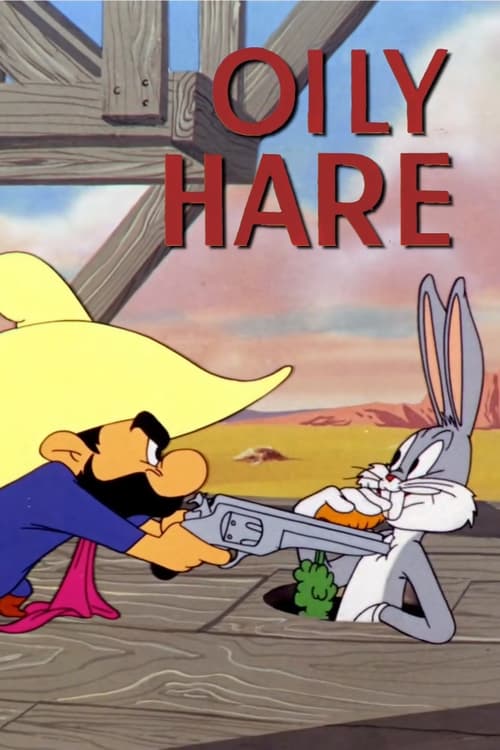
Oily Hare
1952
No user ratings available yet
Representation score: 2.3 out of 10
Representation Score
Minimal
1950
Director
Robert McKimson
Runtime
7 minutes
Average Rating
No ratings yetNew Showbiz Analysis
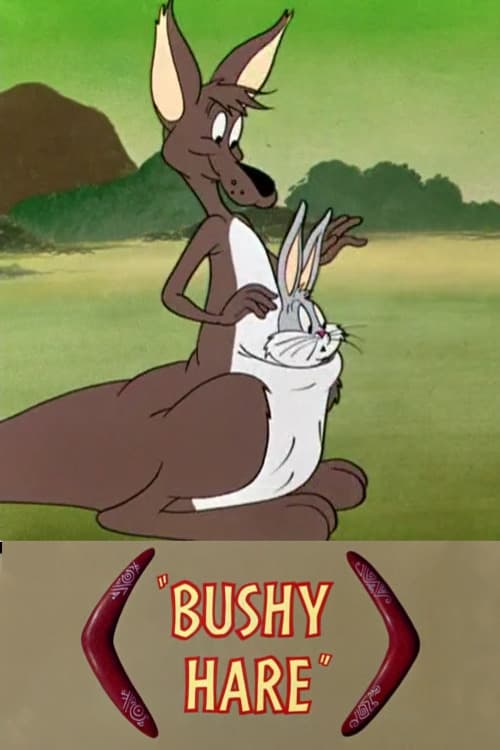
Bushy Hare reflects the cultural perspectives typical of mid-20th-century American animation. The film focuses on traditional comedic structures rather than meaningful representation, often using foreign settings as mere scenery for the protagonist's journey. The narrative structure relies heavily on familiar comedic formulas, especially regarding racial and cultural depictions. Indigenous characters and foreign landscapes are portrayed through a tourist's perspective, reinforcing a Western hierarchy without offering authentic cultural depth. Overall, the short lacks complexity in representing diverse identities. It functions as a conventional adventure that avoids challenging social hierarchies or providing nuanced, empowered character portrayals.
Category Breakdown
The film does not include any LGBTQ+ characters or themes. It follows traditional heterosexual and cisgender norms found in 1950s animation.
Gender roles follow the conventions of the era, with female characters likely playing minor roles while male humor dominates.
An Indigenous Australian character is portrayed using stereotypes. Their ethnic identity serves as a comedic prop rather than a nuanced, empowered character.
The Australian setting is presented through a Western perspective that emphasizes exoticism. Cultural elements function as a backdrop for American-style comedy rather than a lived reality.
There are no characters with physical or neurodivergent disabilities. The narrative does not address disability representation.
Present on Screen
Limited or Absent
Official Synopsis
Bugs encounters marsupials and an aborigine in Australia's outback.
1952
1953
1956
1946
1959
1950
1940
1941
No reviews yet. Be the first to share your thoughts on this movie!
Use the rating form above to leave a star rating and optional review.