No Parking Hare
1954
No user ratings available yet
Representation score: 1.1 out of 10
Representation Score
Minimal
1956
Director
Robert McKimson
Runtime
7 minutes
Average Rating
No ratings yetNew Showbiz Analysis
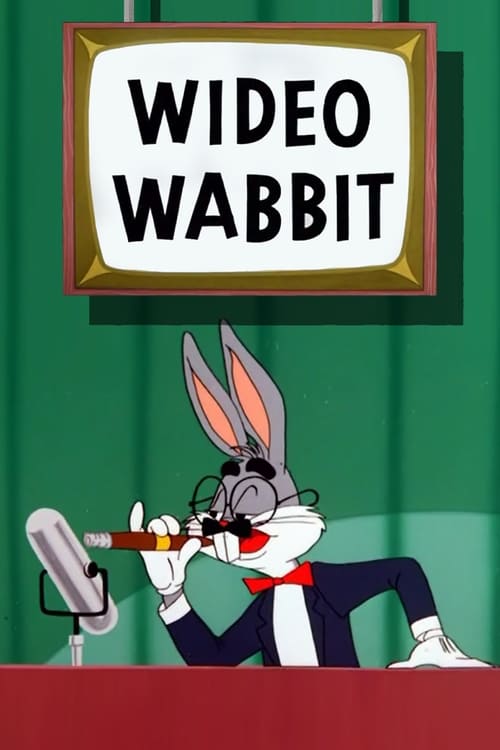
Wideo Wabbit is a classic mid-century slapstick short that emphasizes physical comedy and fast-paced action over social issues. The story revolves around the rivalry between Bugs Bunny and Elmer Fudd, set within a television studio. The film sticks closely to the traditional slapstick style of the 1950s, which does not delve into diverse social identities or challenge established norms. Since the film adheres to the conventional comedic style of the era, it lacks representation of various identity groups. The focus remains on the humorous interactions between the main characters, rather than exploring diverse social themes or challenging hierarchies. Overall, the short serves as a celebration of mid-century entertainment, presenting a uniform perspective that aligns with the production standards of its time.
Category Breakdown
The film does not include any characters with LGBTQ identities or explore non-straight relationships. The interactions between characters follow typical chase-and-evade scenarios.
The story focuses on a male-dominated conflict between Bugs Bunny and Elmer Fudd. There are no female characters or situations where women take control or influence the plot.
The characters are anthropomorphic animals that do not represent different races or cultures. The production reflects the homogenous casting practices of its time.
The film showcases mid-century American entertainment through a television studio setting. It does not address Western institutions or broader societal structures.
The film does not address physical disabilities or neurodiversity. None of the characters have visible or hidden disabilities.
Present on Screen
Limited or Absent
Official Synopsis
Bugs Bunny is chased by Elmer Fudd throughout a TV studio and its various productions.
1954
1952
1941
1959
1940
1958
1946
1961
No reviews yet. Be the first to share your thoughts on this movie!
Use the rating form above to leave a star rating and optional review.