Now, Hare This
1958
No user ratings available yet
Diversity score: 1.8 out of 10
1949
ApprovedDirector
Robert McKimson
Runtime
7 minutes
Average Rating
No ratings yetSynopsis
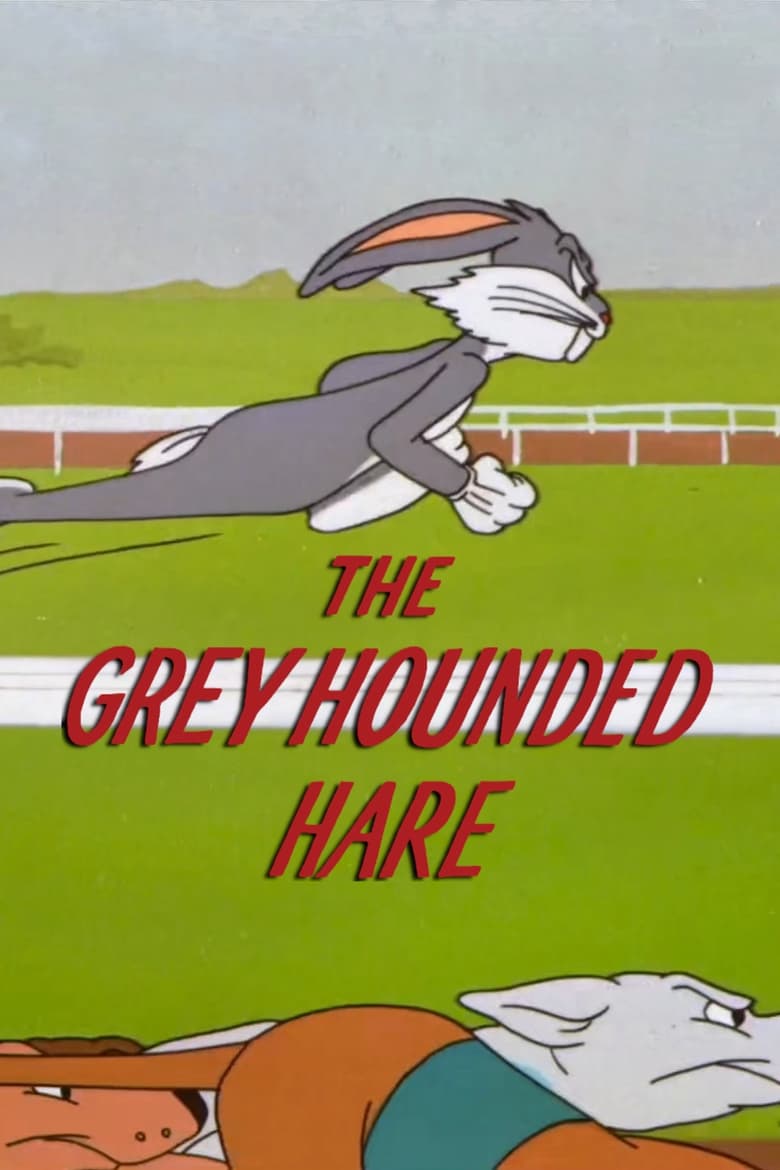
Bugs goes to the dog track, falls in love with the mechanical rabbit there, and has to outsmart the dogs to get to her.
Overall Score
Minimal
Category Breakdown
LGBTQ+ Representation
Bugs Bunny pursues a romantic interest in a mechanical rabbit. This interaction relies on cartoon logic rather than exploring non-heteronormative identities or queer themes.
Gender Representation
The female-coded character is a robotic object lacking agency. The plot centers on a masculine trickster archetype navigating obstacles to achieve his goal.
Racial & Ethnic Diversity
The cast consists entirely of anthropomorphic animals. There is no evidence of racial or ethnic diversity or the use of species as social metaphors.
Religious & Cultural Diversity
The story is set within a traditional mid-century American dog track environment. It reinforces standard Western comedic tropes without deconstructing social institutions.
Disability Representation
The film contains no visible or documented representation of physical, sensory, or neurodivergent disabilities.
Strengths
Areas for Improvement
AI Analysis
This 1949 short is a quintessential product of the mid-century studio system, prioritizing high-energy slapstick over social complexity. The narrative follows a standard pursuit trope that lacks meaningful character agency for its female-coded elements. Representation is minimal, as the film relies on anthropomorphic animals and mechanical objects. It functions within a homogenous setting that reflects the conventional storytelling patterns of the era's animation industry. Ultimately, the film serves as a traditional comedic exercise. It does not attempt to subvert social hierarchies or provide intersectional perspectives, remaining firmly rooted in the era's established archetypes.
1958
1953
1953
1954
1950
1959
1947
1948
1946
1952
1954
1959
No reviews yet. Be the first to share your thoughts on this movie!
Use the rating form above to leave a star rating and optional review.