The Million Hare
1963
No user ratings available yet
Representation score: 0.9 out of 10
Representation Score
Minimal
1964
NRDirector
Robert McKimson
Runtime
6 minutes
Average Rating
No ratings yetNew Showbiz Analysis
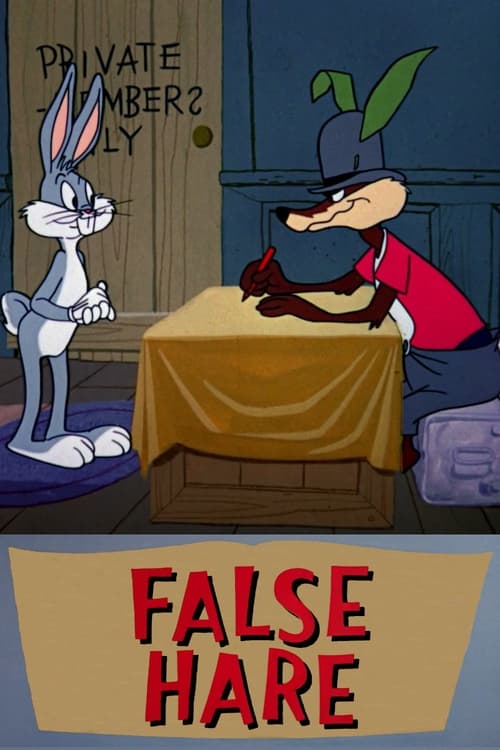
False Hare operates within a traditional mid-century comedic framework, emphasizing physical humor and situational irony over identity-focused narratives. The story revolves around the classic predator versus trickster dynamic, relying on well-established character types. Since the cast is made up of anthropomorphic animals, the film lacks direct racial or ethnic representation. The narrative focuses on the adversarial relationship between Bugs Bunny and the Big Bad Wolf, sticking to the conventions of classic Looney Tunes stories. Overall, the film lacks complexity in its portrayal of multiple aspects of identity. It serves as a piece of mid-1960s family entertainment that upholds conventional social hierarchies rather than challenging them.
Category Breakdown
The film centers on a pursuit-based comedic conflict involving animal characters. There is no indication of non-straight relationships or narratives that question the assumption that everyone is straight.
The characters are traditional masculine figures. The film does not challenge typical gender roles or give women a significant role in driving the story.
The cast consists of anthropomorphic animals. There is no evidence of using actors from different ethnic backgrounds or representing diverse ethnicities through species.
The film follows traditional comedic structures. It emphasizes a straightforward good versus evil morality rather than questioning traditional institutions or promoting moral flexibility.
Characters are shown through physical comedy and slapstick humor. There is no evidence of characters with disabilities being given a significant role in the story.
Present on Screen
Limited or Absent
Official Synopsis
Big Bad Wolf and his nephew create a club for rabbits, Club del Conejo, to try to catch Bugs Bunny.
1963

1951
1964
1952
1960
1955
1956
1950
No reviews yet. Be the first to share your thoughts on this movie!
Use the rating form above to leave a star rating and optional review.