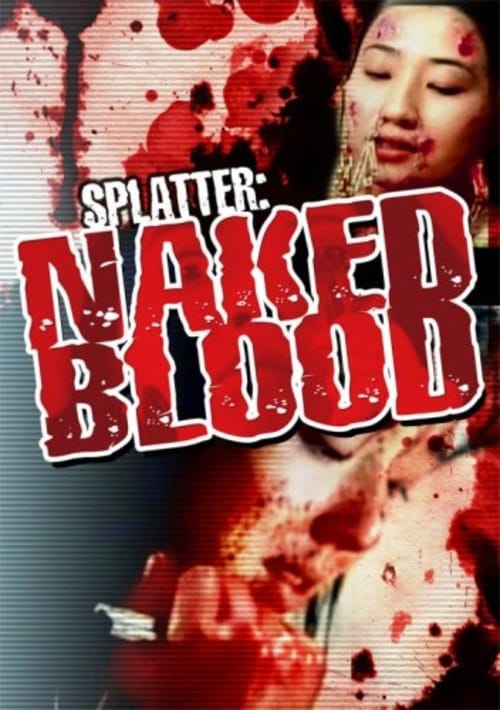
Splatter: Naked Blood
1996
No user ratings available yet
Representation score: 6.4 out of 10
Representation Score
Good
1996
Not RatedDirector
Shozin Fukui
Runtime
91 minutes
Average Rating
No ratings yetNew Showbiz Analysis
Shozin Fukui’s work is a transgressive exploration of the human condition, using cyberpunk and surrealism to challenge social and biological norms. The film’s narrative structure is designed to upset conventional expectations, replacing stability with themes of change and madness. While the film doesn’t prominently feature diverse demographics, its narrative architecture is crafted to question traditional norms. It focuses on post-humanist themes rather than typical identity politics. Ultimately, the film's strength lies in its rejection of Western cinematic polish and its emphasis on post-humanist themes.
Category Breakdown
The film explores non-traditional desires and fetishism. Although specific same-sex relationships aren't confirmed, the focus on madness and change suggests a move away from traditional heterosexual norms.
The film experiments with human subjects, possibly prioritizing biological needs over traditional gender roles. Shared vulnerability among characters may challenge established hierarchies.
As a Japanese production, the film offers a non-Western viewpoint. It shifts away from Hollywood standards, using a stylized cyberpunk look that downplays traditional ethnic markers.
The film questions Western institutions through themes of madness and scientific authority. Its surrealist, black-and-white style rejects polished conventions in favor of chaotic reality.
Themes of transformation and brain chemistry manipulation touch on unusual bodies. It's unclear if these changes give characters more control or simply serve as horror elements.
Present on Screen
Limited or Absent
Official Synopsis
After the explosive demise of their last subject, scientists must look for a replacement on whom to continue their bizarre experiments with brain-altering drugs.
1996
1962

2004
1989
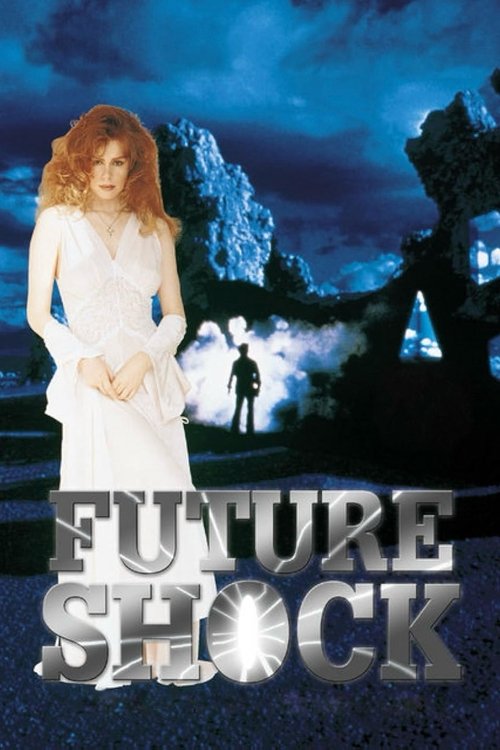
1994
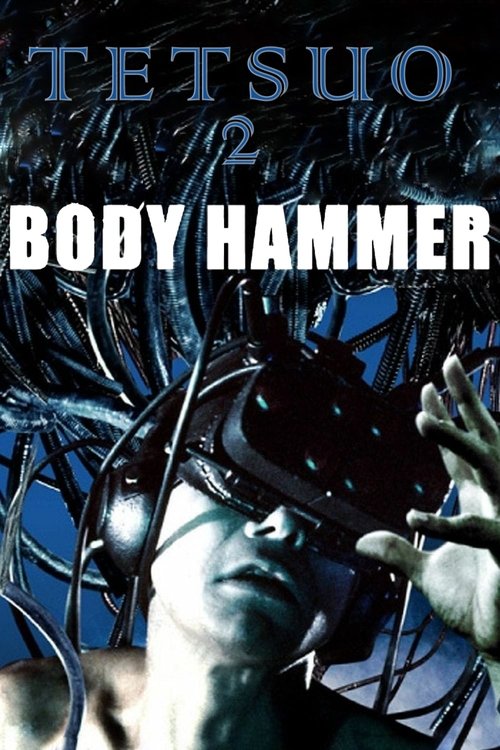
1992
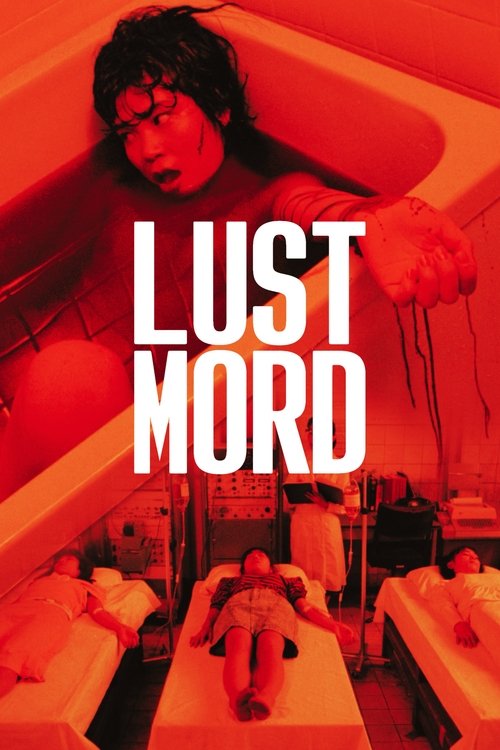
1987
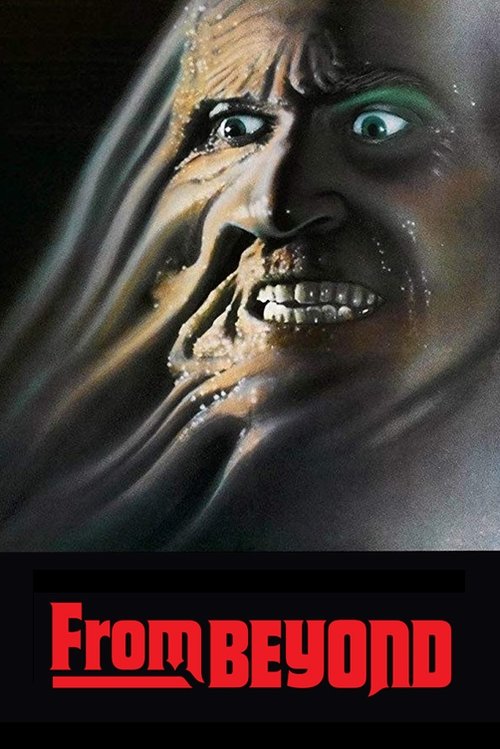
1986
No reviews yet. Be the first to share your thoughts on this movie!
Use the rating form above to leave a star rating and optional review.