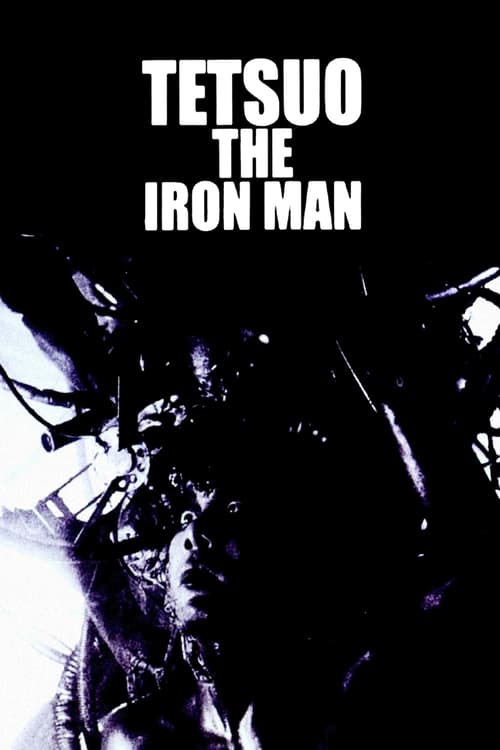
Tetsuo: The Iron Man
1989
No user ratings available yet
Representation score: 7.8 out of 10

Representation Score
Good
1995
Director
Yoshihiro Nishimura
Runtime
54 minutes
Average Rating
No ratings yetNew Showbiz Analysis
Anatomia Extinction is a visceral exploration of biological horror and systemic collapse. It succeeds by using the salaryman archetype to critique rigid social structures and the erosion of individual control under institutional pressure. However, the film lacks breadth in demographic representation. It focuses heavily on a singular male perspective and a homogeneous Japanese setting, offering little visibility for LGBTQ+ or diverse racial identities. Ultimately, the film's strength lies in its intellectual deconstruction of morality rather than its social inclusivity. It trades traditional representation for a provocative critique of state responsibility and bodily autonomy.
Category Breakdown
The film does not explicitly depict LGBTQ+ identities or relationships outside of traditional heterosexual norms. The narrative focuses on the protagonist's biological mutation and his conflict with the Engineers.
The story centers on a male protagonist within a traditional corporate hierarchy. While his role is destabilized by mutation, there is no explicit challenge to gender hierarchies or female empowerment.
Set in Japan, the film features a largely homogeneous cast consistent with its cultural context. It does not utilize diverse casting or race-bending as a primary narrative driver.
The film engages deeply with anti-establishment themes. It critiques traditional structures by portraying them as predatory through the radical actions of the Engineers.
The protagonist's mutation provides a lens for exploring physical disability or neurodivergence. He maintains a significant role in driving the story while struggling against a body that becomes a source of terror.
Present on Screen
Limited or Absent
Official Synopsis
A salaryman sees a murder in the subways and is soon pursued by the killer, who wants him to join a group called The Engineers, who have taken it upon themselves to reduce Japan's overpopulation. Despite not wanting any part of joining, the man begins to mutate, running throughout Japan and fighting his urge to kill.
1989
1992

1986

1977

1996

1987
2017

1982
No reviews yet. Be the first to share your thoughts on this movie!
Use the rating form above to leave a star rating and optional review.