Monster on the Campus
1958
No user ratings available yet
Representation score: 1.5 out of 10
Representation Score
Limited
1976
PGDirector
Richard Ashe
Runtime
90 minutes
Average Rating
No ratings yetNew Showbiz Analysis
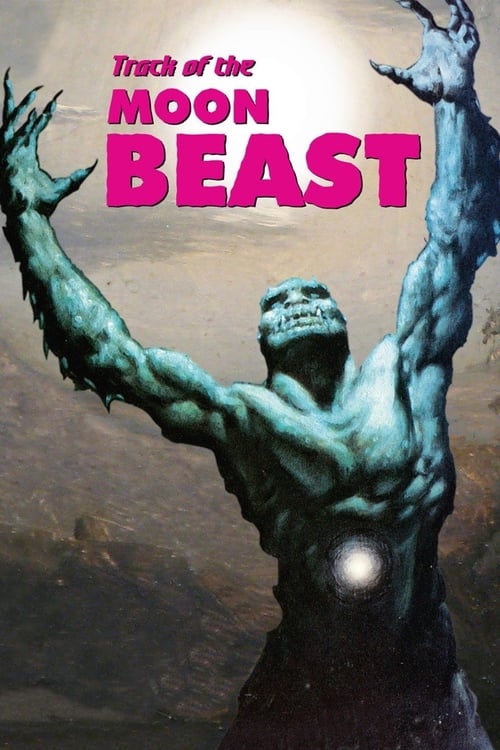
Track of the Moon Beast is a typical 1970s creature feature that emphasizes genre spectacle over social complexity. The narrative relies heavily on established clichés, using physical mutation and ancient mysticism to drive the horror elements. While the film incorporates non-Anglo-Saxon historical elements, they primarily serve as plot devices rather than meaningful cultural representations. The character dynamics reinforce mid-century gender roles and traditional romantic structures. Overall, the film lacks intentional depth in representing multiple aspects of identity, focusing instead on a binary struggle between man and monster that avoids nuanced social commentary.
Category Breakdown
The story focuses on a typical heterosexual relationship between Paul and Kathy. It does not include any characters with non-traditional gender identities or explore conflicts related to diverse sexual orientations.
Kathy Nolan shows emotional strength by trying to save Paul, but her role remains mostly reactive. The film follows traditional gender dynamics where the male lead drives the action.
Native American iconography and ancient paintings act as plot devices to explain the mutation. These elements function as mystical symbols rather than offering authentic Indigenous representation.
The narrative follows standard Western storytelling without challenging religious or capitalist institutions. Morality is defined through a binary struggle between humanity and monstrous instincts.
The protagonist's mutation symbolizes a loss of bodily control. However, this physical change is portrayed through a horror cliché that emphasizes transformation as terrifying.
Present on Screen
Limited or Absent
Official Synopsis
Professor "Johnny Longbow" Salina, a man who really knows his stews, introduces Paul Carlson to the practical-joking Kathy Nolan. Paul and Kathy seem to hit it off rather well but, during a meteor storm, a meteorite fragment strikes Paul, burying itself deep in his skull, which has the unpleasant side-effect of causing Paul to mutate into a giant reptilian monster at night and go on murderous rampages. It turns out that this sort of thing has happened before, when Professor Salina rediscovers ancient Native American paintings detailing a similar event many centuries ago. Kathy, however, still loves Paul, and tries to save him.
1958
1960
1958
1969
1977
1989

1958
1977
No reviews yet. Be the first to share your thoughts on this movie!
Use the rating form above to leave a star rating and optional review.