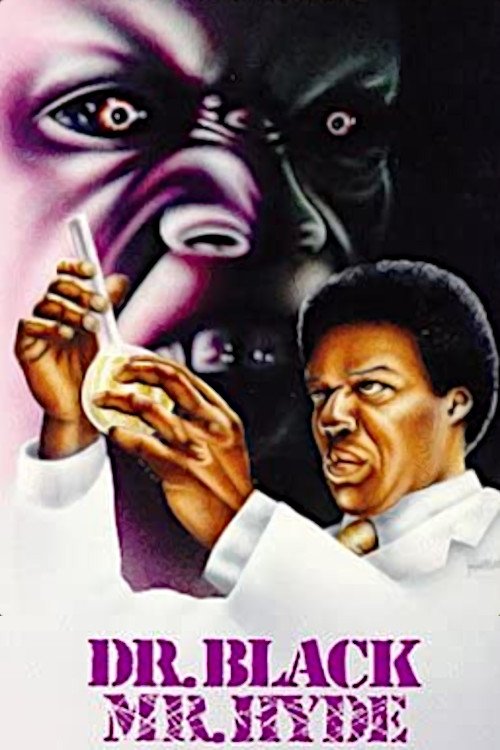
Dr. Black, Mr. Hyde
1979
No user ratings available yet
Representation score: 3.3 out of 10
Representation Score
Fair
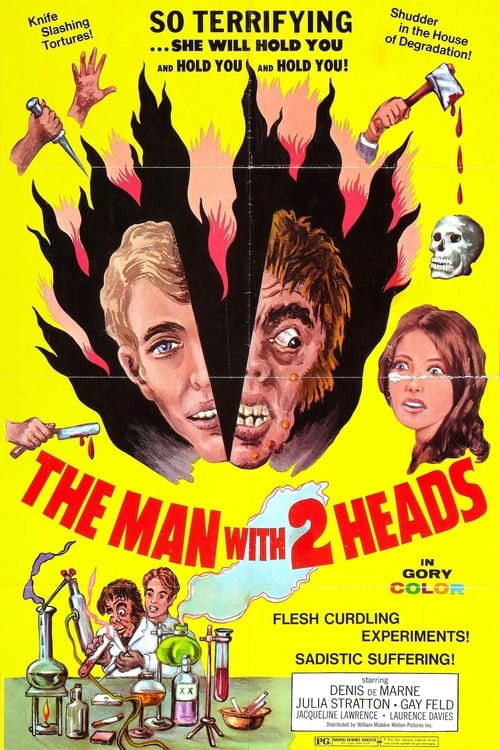
1972
GPDirector
Andy Milligan
Runtime
89 minutes
Average Rating
No ratings yetNew Showbiz Analysis
Andy Milligan’s work serves as a dark character study of psychological instability rather than a vehicle for social representation. The film’s value lies in its departure from stable, traditional character archetypes, opting instead to deconstruct the unified self. While the film offers a nuanced look at neurodivergent experiences through its protagonist's split personality, it fails to address broader social hierarchies. The narrative remains deeply rooted in a traditional Western framework, lacking diversity. Ultimately, the film prioritizes the exploration of the human psyche over the inclusion of diverse identity groups. It challenges moral binaries but remains limited by its narrow focus on individual pathology.
Category Breakdown
The film focuses almost exclusively on the psychological duality of the male protagonist. There are no queer narratives or diverse gender identities present.
The story centers around the male experience of identity fragmentation. It lacks meaningful roles for women and complex gender dynamics.
The casting is predominantly white and homogeneous, with no use of non-human metaphors for racial themes.
The film explores moral relativism by linking good and evil through a scientific process. However, it does not address broader systemic issues.
The film's central concept explores neurodivergence and psychological disabilities through the protagonist's fragmented mind, providing a degree of control over his internal struggles.
Present on Screen
Limited or Absent
Official Synopsis
In 19th-century London, the good Dr Jekyll transforms into the devilish Mr Blood via transfused serum obtained from a brain after a mass murder.
1979
1960
1971

1974

1971
1969

1970

1958
No reviews yet. Be the first to share your thoughts on this movie!
Use the rating form above to leave a star rating and optional review.